
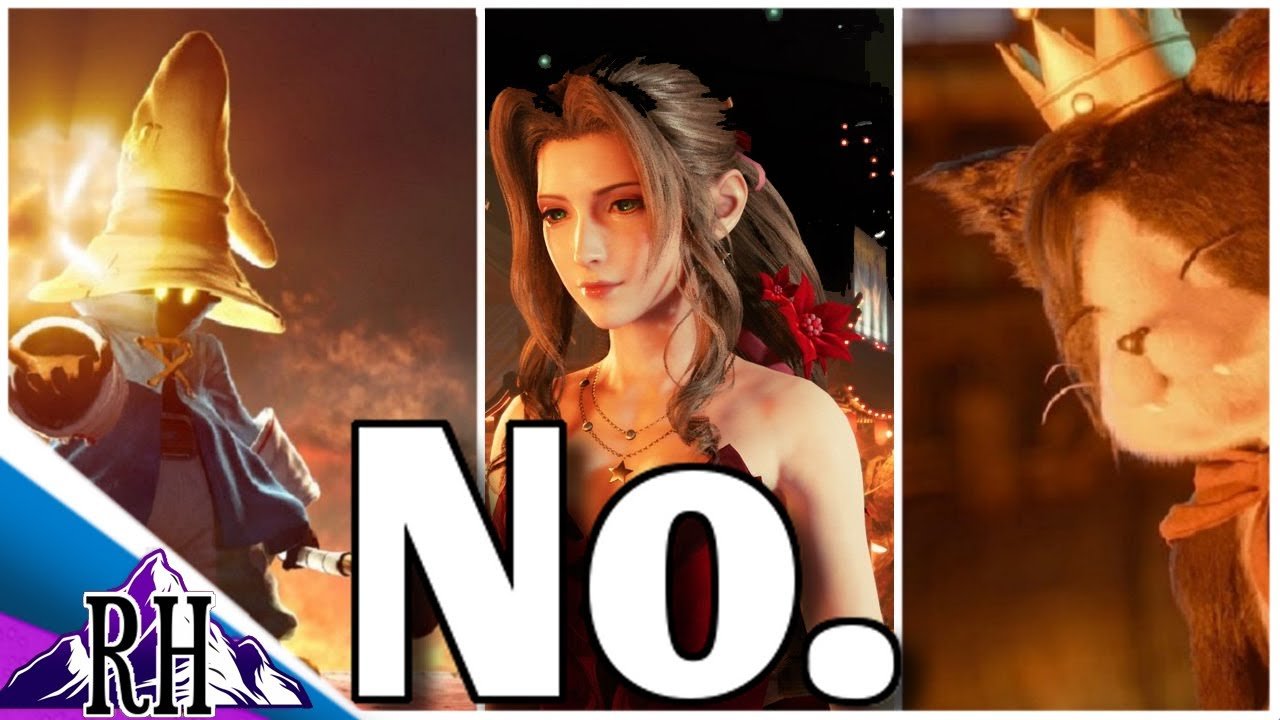
No, the core Final Fantasy games do not directly connect in terms of overarching plot or shared characters, although they often include recurring elements.
Ever pondered the vast worlds of Final Fantasy? So many different heroes, stories, and magical realms make us wonder, do the final fantasy games connect? It’s a question many fans wrestle with, diving deep into the lore.
Each numbered entry usually presents a fresh narrative and cast. Some games do share some themes or design motifs. But they are distinct experiences.

Do the Final Fantasy Games Connect?
The Core Question: Are They All Part of the Same World?
Okay, let’s get right to it. The big question many Final Fantasy fans ask is: “Do all these amazing games happen in the same place and time?” The simple answer is, mostly, no. Each numbered Final Fantasy game – like Final Fantasy VII, Final Fantasy X, and Final Fantasy XV – tells its own complete story with different characters, settings, and rules. Think of them like different books in a series. Each book has its own adventure, even though they might have some similar ideas or themes.
Standalone Stories with Familiar Elements
While not directly connected in terms of plot, many Final Fantasy games share common things that make them feel like part of the same big family. These common elements are like the special ingredients that make each Final Fantasy game unique, yet still part of the larger brand.
Recurring Themes and Ideas
One of the big things you’ll see again and again is the struggle between good and evil. Often, a big, powerful bad guy or force is trying to take over the world, and a group of brave heroes must stop them. You also often find crystals, which are like magical stones that hold great power and are very important to the story in many games.
- Crystals: As mentioned, crystals often play a crucial role. They can be sources of energy, symbols of hope, or targets for destruction.
- Airships: These awesome flying ships are a staple, letting you travel across the game world quickly. Each game may design them differently but the concept is largely the same.
- Summons/Eidolons/Espers: Powerful creatures that heroes can call on for aid in battle are a classic feature. You might see Ifrit, Shiva, and Bahamut in many different games.
- Job Classes: The ability to have your character use different skills and abilities (like a knight, mage, or thief) is another common feature that allows you to customise your party the way you want.
Similar Character Archetypes
You’ll notice some kinds of characters show up in many of the games, but not as the same characters. There’s often a brave hero, a wise mentor, a strong warrior, and a sneaky thief. These characters fill different needs in the story but make the game world feel consistent and familiar.
Exceptions to the Rule: Direct Sequels and Spin-offs
Even though the main numbered games mostly stand alone, there are a few times when they do connect. These connections usually come in the form of sequels or spin-off games.
Direct Sequels
A direct sequel is a game that continues the story of a previous game. For example:
- Final Fantasy X-2: This game directly follows the events of Final Fantasy X, with many of the same characters and the same world.
- Final Fantasy XIII-2 and Lightning Returns: Final Fantasy XIII: These two games continue the story of Lightning and other characters from Final Fantasy XIII.
Spin-off Titles
Spin-off games are games that take place in the same world as a main game but often have different styles of play or stories that may not be as central to the main series.
- Compilation of Final Fantasy VII: This collection includes games like Crisis Core and Dirge of Cerberus, which all take place in the same world as Final Fantasy VII.
- Final Fantasy VII Rebirth: The new installment in the Final Fantasy VII remake series is a direct sequel to Final Fantasy VII Remake.
- Final Fantasy Type-0: Though it has its own plot, it’s part of the Fabula Nova Crystallis series, sharing some mythological elements with Final Fantasy XIII.
- Dissidia Final Fantasy: This series brings together heroes and villains from across the entire Final Fantasy series, creating a fun crossover experience. Although this isn’t canon.
The Fabula Nova Crystallis Series
There’s a group of games that are a special case. They’re all tied together by something called the Fabula Nova Crystallis mythology. These games explore different versions of a shared legend, but each one has its own story and characters.
- Final Fantasy XIII: This game was the start of the Fabula Nova Crystallis series.
- Final Fantasy XIII-2: The direct sequel to Final Fantasy XIII.
- Lightning Returns: Final Fantasy XIII: The conclusion to Lightning’s story arc in the Final Fantasy XIII trilogy.
- Final Fantasy Type-0: A separate game with its own story but using the same overarching mythology.
Even though these games share some lore and concepts, they all tell separate and complete stories.
The Appeal of Standalone Adventures
One of the great things about the Final Fantasy series is that you can jump into any numbered game without needing to know the story of any of the others. Each game offers a unique experience, which makes them accessible to both new and long-time fans. You get to enjoy a brand-new story, meet interesting characters, and go on epic adventures every time you start a new game.
The Joy of Discovery
The standalone nature of most of the games allows you to discover and appreciate the lore and world-building in each game individually, without feeling bogged down with the weight of previous entries. You are able to get lost in each new game’s world as if it is the only one that exists, adding to the feeling of adventure and exploration.
Different Play Styles and Settings
Each Final Fantasy game comes with a different play style, whether that is turn-based, real-time, or some combination of the two. The different settings each game has helps to give each game their own personality. The lack of a shared, overarching story allows game developers to get creative with their world design and gameplay mechanics. This ensures the games will not become stale, as there’s something new each and every time.
Why This Approach Works
This approach to game making allows Square Enix (the makers of Final Fantasy) to explore new ideas and gameplay systems without being tied to the established continuity of previous games. This creative freedom is one of the main reasons Final Fantasy has remained such an innovative and diverse game series for such a long time. Every game is its own thing, which allows players to appreciate each adventure uniquely.
Focus on Individual Storytelling
By not being chained to previous lore, Final Fantasy games can give each new entry focus on telling the best individual story that they can. This freedom allows them to be flexible with gameplay mechanics, allowing them to develop new gameplay mechanics that enhance the story.
New Beginnings for Each Adventure
The ability to start a brand new journey with every new game is something that most other big game franchises do not offer. This allows anyone to get into the franchise at any point, as they won’t need to study previous lore or character stories.
The Meta-Connections: Easter Eggs and References
Even with the lack of direct connections between many of the games, there are times where you might see a character’s name or a familiar weapon pop up in a game that’s not directly related to any previous games. These little things are known as Easter Eggs, which are fun little references for players that have played previous entries in the franchise. Although they are just for fun and do not contribute to the world of the game itself.
Fan Service and Fun
These cameos and references are mostly fun moments for longtime fans. They’re not there to say the games are part of a big universe but to celebrate all the things players love about the franchise. They are a nod to long-time fans to recognize the history of the franchise and the legacy each game has built.
Common Names and Items
You might see names like Cid, Biggs, and Wedge show up in many of the games, and not as the same character. There will also be a lot of common items and summons shared between the games. They are there for a sense of familiarity, but also to not make players feel like each game is alien and unfamiliar.
The Beauty of Separate Worlds
Ultimately, the way Final Fantasy handles its connections is part of what makes the series so amazing. Each game is like a new adventure, and you’re always excited to see what the next game will bring. This way of doing things makes each game special and unique in its own way. So, while they don’t all take place in the same world, they are all connected by their shared themes, mechanics, and sense of epic adventure.
Final Fantasy’s charm comes from the feeling of stepping into a fresh new world each time. While the games aren’t linked in a single, overarching narrative, they are connected by a spirit of adventure and a rich history of shared elements. Each game is a unique experience that is both new and familiar, offering fans endless hours of entertainment and epic adventures. The beauty lies in the fact that you can pick up any game and enjoy a complete story without needing any prior knowledge, making each game perfect for new players and long-time fans alike.
Are Final Fantasy Games Connected? This is Dumb!
Final Thoughts
Ultimately, the answer to ‘do the final fantasy games connect’ is mostly no. Each numbered title presents a self-contained narrative with its own world, characters, and mythology. Recurring themes and creatures appear, creating a sense of familiarity.
These commonalities do not mean direct connections. The games share similar DNA but not a singular timeline. The core experiences are entirely unique.

