
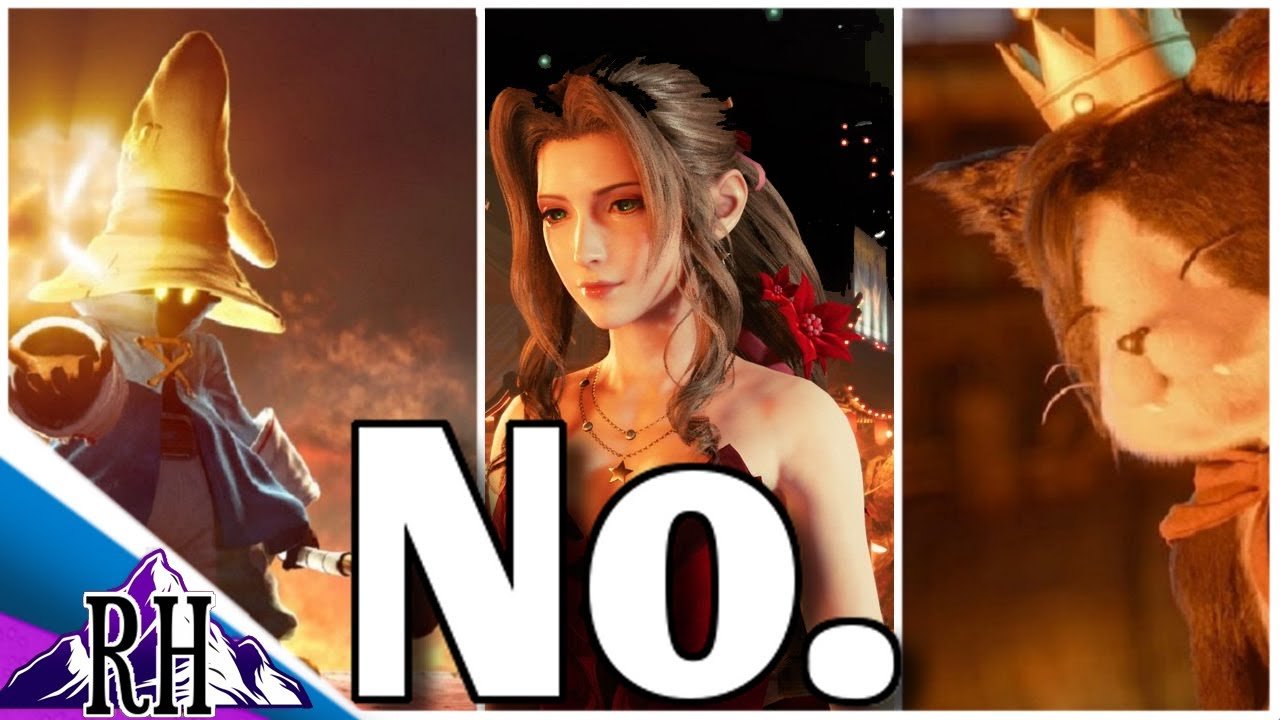
Most Final Fantasy games are not directly connected, featuring distinct worlds and characters; however, some sequels or spin-offs link to specific titles.
Have you ever pondered the sprawling universe of Final Fantasy and wondered, “do the final fantasy games connected?” It’s a question many fans grapple with, given the series’ long history and varied settings. Each installment seems to introduce us to entirely new faces and places, making it a real puzzle.
While you might find recurring themes or creatures, the core stories of the main entries generally stand alone. They typically don’t share a continuing narrative. This allows each game to create its own unique experience for players to enjoy.

Do the Final Fantasy Games Connected? Exploring the Threads of the Series
The Final Fantasy series is like a giant, magical storybook, but instead of one long tale, it’s filled with lots of different adventures. Each game has its own characters, its own world, and its own problems to solve. But, sometimes, players wonder if these stories are secretly connected. Are the games all part of one big universe? Or are they all separate adventures that just share a name? Let’s dig into this question and see what we can find!
Standalone Stories, Shared Ideas
For the most part, the Final Fantasy games are like different books in a library. They’re all fantasy stories, often with heroes, magic, and big bad guys, but they don’t usually share the same characters or places. You won’t find Cloud from Final Fantasy VII showing up in Final Fantasy X, or Tidus taking a vacation to the world of Final Fantasy XII. This is why they’re often called “standalone” stories. Each game is designed to be enjoyed on its own, with no need to play previous titles.
However, even though the stories are separate, there are recurring themes, characters, and ideas that pop up again and again. Think of them like common threads that weave through the different games.
Common Elements in Final Fantasy Games
These recurring elements are what make a game feel like a Final Fantasy game, even if it’s very different from others. These are the familiar things that long-time fans love and expect to see.
- Crystals: Crystals are very often important magical objects in the Final Fantasy world. They are usually the source of life or magic and their well-being or corruption often drives the plot. In some games like I to III, these crystals are vital for the game world.
- Chocobos: These giant, cute birds are usually a means of transportation and have become a Final Fantasy mascot. You can find Chocobos in nearly all of the Final Fantasy games, each with a different color or characteristic.
- Summons: Powerful creatures that can be called into battle such as Ifrit, Shiva, Bahamut and Ramuh. These summons often appear with different looks and powers in each game.
- Magics: Spells like Fire, Ice, Thunder, Cure, and Aero are common magic spells that are found throughout the series. Players can rely on these spells in nearly every game.
- Character Jobs: Warriors, Mages, Thiefs and many other jobs appear in almost every game. These jobs allow players to customize and personalize their gameplay experience.
The Exception: Direct Sequels and Spin-offs
While most Final Fantasy games are standalone, there are a few exceptions. Some games are direct sequels, taking place in the same world with the same characters. These games are definitely connected! The most prominent examples are:
- Final Fantasy X-2: A direct continuation of Final Fantasy X, telling what happens after Tidus and Yuna defeat Sin.
- Final Fantasy XIII-2 and Lightning Returns: Final Fantasy XIII: Sequels to Final Fantasy XIII, continuing Lightning’s story and expanding on the world of Cocoon and Pulse.
- Final Fantasy VII Remake and its planned sequels: The Remake is more than just a re-telling of the story but is part of a continuing saga.
Then, there are spin-offs. These games are often set in the same world or with the same characters as a main title, but they usually have different gameplay and storytelling focus. For example, Crisis Core: Final Fantasy VII is a prequel to Final Fantasy VII, showing the story of Zack Fair before the events of the original game. These games are also very connected to the main titles.
Connected Worlds Through Compilation and Similar Names
Sometimes, the connections are more subtle. Games might share similar names, or elements from one game might be used or referenced in another. Let’s take a closer look:
- Fabula Nova Crystallis: This is a series of games that includes Final Fantasy XIII, Final Fantasy Type-0, and Final Fantasy Versus XIII (which became Final Fantasy XV). While each of these games has its own story, they are all connected by the same mythology centered around fal’Cie and l’Cie, powerful beings that control fate. This is a good example of how games in the series can be linked together by common themes and not by direct characters or events.
- Ivalice Alliance: This is a group of games, mostly spin-offs, that are all set in the world of Ivalice, first introduced in Final Fantasy Tactics and later expanded on in Final Fantasy XII and its sequel, Revenant Wings. They are not direct sequels, but share locations, lore, and similar character design.
- References and Easter Eggs: Players might see references to other games in the series, such as character names, items, or places. These are more like nods to fans rather than proof of a deep connection, however. For example, you may notice similar character designs or enemies that first appeared in other games.
- Similar Names: Some games have characters or places with similar names. This can sometimes lead fans to speculate about connections, even when there aren’t any direct story links. For example, the name “Cid” appears in almost all Final Fantasy games, although, these are almost always different individuals.
The Multiverse Theory: A Fan Idea
Because of these little connections, some fans have come up with a very interesting idea: the multiverse theory. This idea suggests that all the Final Fantasy worlds exist in their own parallel universe, like different bubbles in the same giant space. Sometimes, those bubbles might briefly overlap, causing the common elements and references between the games.
This is definitely not an official statement by the developers, but it’s a fun way for fans to imagine how these different worlds could be connected.
The idea of a multiverse is a way that fans try to explain and tie together different games with common themes or other such references to each other, even if the worlds and the stories are unique and not directly connected to each other. It’s a way that they make the series a bit more linked.
Pros and Cons of Multiverse
The multiverse idea has some good points:
- It explains why there are so many similar things throughout different Final Fantasy games, while allowing each game to still be its own thing.
- It allows fans to create a broader narrative that involves all Final Fantasy games without directly contradicting the game storylines.
- It gives a theoretical structure for cameos and crossovers between characters from different games.
However, there are downsides as well:
- There is no official support for the theory and most of the links can be attributed to recurring themes instead.
- The theory can potentially overcomplicate things when the games are already quite easy to understand when taken by themselves.
- It may also create a expectation for inter-game continuity that the developers don’t have.
Why This Matters
So, are the Final Fantasy games connected? The short answer is, mostly no. The longer answer is, it’s complicated and more connected than most may think. They are not connected in the way that the Avengers movies are, or Harry Potter series, they each tell their own unique story. But they are connected by shared themes, ideas, characters, and in a few cases direct sequels.
The fact that the Final Fantasy games are not linked in a major story-related way, makes them very easy for new players to get in to. You don’t have to worry about knowing the story of previous games. You can pick up any Final Fantasy game that looks interesting and get involved in the story without any prior knowledge of the series.
This is the beauty of the Final Fantasy series. It is not just one story, but a series of magical worlds that you can jump into one at a time. Each game offers a different experience, but you still get that familiar Final Fantasy feel. Whether you think they’re all in separate universes or part of one big story, you can enjoy them for the unique adventures they are.
Ultimately, the interconnectedness of the Final Fantasy universe is open to interpretation. While direct story connections are limited, the shared elements and themes create a sense of familiarity and connection for fans. This allows everyone to feel like they are part of the larger, ongoing journey.
So, whether you are a long time fan or just getting into this amazing series, understanding the ways the different games are connected can be just another way to appreciate the magical world of Final Fantasy.
Are Final Fantasy Games Connected? This is Dumb!
Final Thoughts
Ultimately, the core question remains: do the final fantasy games connected? While thematic similarities and recurring elements exist, each main numbered title essentially tells its own unique story. There’s no single, overarching narrative tying all games together.
Each entry presents fresh characters, worlds, and conflicts. Final Fantasy games share design concepts and sometimes, similar lore ideas, but they are not direct sequels or prequels.
Therefore, the series celebrates creative independence with each new release, providing stand-alone experiences instead of a single, continuous storyline.

