
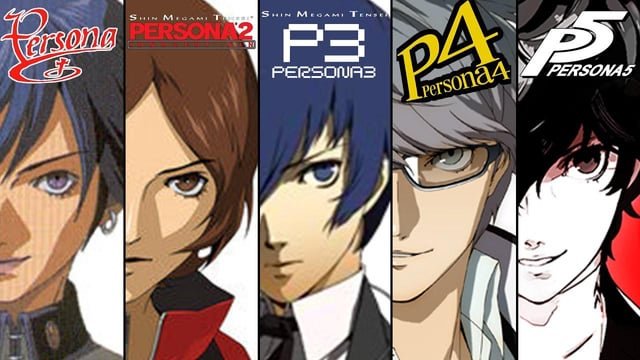
Yes, while not direct sequels, the Persona games connect through recurring themes, characters, and the shared Velvet Room.
Ever wondered about the threads that bind the Persona games together? It’s a frequent question among fans – do the persona games connect? The games aren’t direct sequels, and feature mostly new characters and stories in each title, that much is clear.
However, the series certainly does not exist in a vacuum, either. You often spot familiar faces and concepts cropping up. This includes the enigmatic Velvet Room and its inhabitants, and recurring personas too.

Do the Persona Games Connect? Exploring the Shared Universe
The Persona series, a spin-off of the Shin Megami Tensei franchise, has captivated players for years with its unique blend of social simulation and turn-based RPG combat. But a question often pops up among fans: Do the Persona games actually connect? Are they all happening in the same world? The answer is complex and requires a deep dive into the lore, recurring themes, and subtle hints dropped throughout the different installments. It’s not as simple as a direct, linear timeline, but there are clear connections that tie these seemingly disparate stories together. Let’s explore the fascinating ways these games share a universe, even if it’s not always in an obvious way.
The Velvet Room: A Consistent Link
One of the most consistent and obvious connections across all Persona games is the presence of the Velvet Room. This mysterious place, often described as existing between realities, serves as a hub for the protagonist to fuse Personas, enhance their abilities, and often receive cryptic guidance from its inhabitants.
The Attendants
Igor: The long-nosed master of the Velvet Room is a constant presence. Though his appearance may vary slightly, his role remains the same: to guide those with the power of Persona.
Attendants: While the attendants change from game to game, they all seem to follow a similar pattern. They are often beings with a unique look and personality, serving as Igor’s assistants. Examples include Margaret, Elizabeth, Theodore, Lavenza, and the twins, Caroline and Justine. They seem to have a purpose beyond just assisting the protagonist; they often show a deeper knowledge of the Persona world.
What the Velvet Room Represents
The Velvet Room isn’t just a place; it’s a concept. It represents the potential of the human heart and the power of the subconscious. Each protagonist, by entering the Velvet Room, is essentially tapping into the collective unconscious, a place that exists beyond the normal world. The existence of the Velvet Room across all games firmly establishes a shared metaphysical landscape. Its continuous presence also suggests that the Persona users are not isolated cases but rather part of a much larger phenomenon spanning across the different game timelines.
Recurring Characters and References
Beyond the Velvet Room, there are other recurring characters and references that hint at a shared universe. These are often subtle nods and easter eggs, but they add layers of meaning for long-time fans.
The Kirijo Group
The Kirijo Group, a powerful corporation, plays a significant role in Persona 3 and has smaller connections to other titles. They are involved in research related to Shadows and the Dark Hour. The fact that their research is mentioned in other games, sometimes through subtle news reports or in-game documents, creates a link between the narratives. It shows that the events of Persona 3 are not isolated and do have an impact on the world in later games.
Gekkoukan High and its Alumni
Gekkoukan High School, the setting for Persona 3, is occasionally mentioned in other Persona games. Characters might be seen wearing Gekkoukan uniforms, or someone might mention attending the school. While these references are not significant to the plot of other games, they create a sense of a world where these locations and institutions exist together. Alumni of Gekkoukan can pop up in unexpected places, adding to the feeling of connection.
Cameos and Mentions
Returning Items and Skills: Certain items, weapons, and skills from earlier games often reappear in later installments. This reuse of assets is more than just developer efficiency; it can be seen as a connection between characters and their shared ability to draw on the power of the collective unconscious.
Subtle Hints: There are often moments where a character might vaguely mention events that align with happenings in a past game. These fleeting references are not always direct confirmations, but are enough to intrigue players and make them think about the bigger picture. For instance, a character might mention strange occurrences during a specific period, aligning with the events of a previous game.
The Themes of Persona
Beyond the specific characters and references, the recurring themes throughout the Persona series solidify the connections between the games. These shared themes suggest that the different stories are all exploring the same core ideas about humanity, society, and the nature of the soul.
The Collective Unconscious
The concept of the collective unconscious, as defined by Carl Jung, is central to all Persona games. The Shadows, Personas, and even the Velvet Room itself, all draw their power from this shared source of human experience. Each protagonist is, in a way, accessing and dealing with the same deeper reality. This shared concept creates a sense that, despite the differences in settings and characters, they are all part of the same metaphysical framework.
Social Bonds and Relationships
The importance of social links and relationships is a core mechanic in all Persona games. Strengthening bonds with friends and allies directly impacts your combat ability. This theme highlights the power of human connection and emphasizes the idea that individual growth is intertwined with social interaction. Regardless of the specific characters and stories, this theme of connection ties all games together by highlighting a common human experience.
Battling Inner Turmoil
All the main characters in Persona games are facing their own internal struggles. They are forced to deal with personal demons and societal pressures while simultaneously battling the physical manifestations of negativity. This theme of inner conflict being tied to external forces demonstrates that, in each game, the protagonists must learn to confront their inner struggles as well as external battles.
How the Connections Work (or Don’t Work)
It’s crucial to understand that the Persona games are not connected through a linear timeline in the typical way of some other series. They’re not direct sequels in most cases, and each story is designed to be a standalone experience. The connections are more thematic and conceptual.
Not a Direct Timeline
Loose Continuity: While there are references that indicate that the games might take place in the same world, they don’t follow a specific timeline. One game might take place before another in a shared “world”, while others might exist in parallel, or slightly different realities.
Independent Stories: Each Persona game is designed to be a complete narrative. It means that you do not need to have played previous games to understand or enjoy a new one. This structure lets players jump in without feeling overwhelmed by convoluted story lines.
The Shared World
Shared Mythology: The recurring characters like Igor and his attendants, along with the concepts like the Velvet Room and the collective unconscious, create a consistent mythology that exists across the games. This consistent mythology places each game within a single shared universe.
The Multiverse Theory: Some theories suggest that the Persona games might exist in a multiverse setting, which means that the different storylines might be happening in different, parallel versions of reality. This would explain why certain events are similar yet not identical.
Examples of Specific Connections
Let’s take a closer look at some specific examples that demonstrate how the Persona games are connected:
Persona 3 and Persona 4
The TV World: The TV World in Persona 4 has some thematic overlap with the Dark Hour in Persona 3. Both represent a hidden reality that is closely tied to the human psyche. This similarity indicates a connection in the underpinnings of these realities.
The Investigation Team’s Trip to Tatsumi Port Island: In Persona 4 Arena, the characters from Persona 4 travel to Tatsumi Port Island, the setting of Persona 3. This direct crossover event provides a concrete link, confirming both groups inhabit the same world.
Mitsuru Kirijo: Mitsuru is a recurring character who was a significant figure in Persona 3. She makes appearances in the fighting games (Persona 4 Arena, Persona 4 Arena Ultimax) which further connects the characters in the various series.
Persona 5 and the Past Games
Cameos: Small Easter eggs, like references to Gekkoukan High in dialogues, or a character’s brief mention of a strange incident that aligns with a previous game, create subtle links between Persona 5 and the other titles.
The Metaverse: The Metaverse in Persona 5 echoes the idea of accessing the collective unconscious, mirroring the themes established in previous games. Although it’s a different concept, it shares the same core principles.
Velvet Room Inhabitants: Even the design of Lavenza, the attendant from Persona 5, shows a connection to the past attendants.
Why These Connections Matter
While the connections might not always be central to each individual story, they serve a crucial purpose for the series as a whole.
Deepening the Lore
The recurring elements and subtle nods create a deeper sense of lore and history for the Persona universe. It means that the players have the opportunity to become immersed in a more rich and cohesive world.
Fan Engagement
The connections provide players with a sense of discovery. Finding easter eggs, understanding callbacks, and piecing together the larger picture keeps long-time fans engaged and actively participating in the community by discussing the deeper meanings behind these connections.
A Richer Experience
By linking the stories through themes and subtle references, the Persona series creates a much more engaging and resonant experience for players. It shows that each game isn’t simply an isolated story but a part of something much larger. This approach makes the whole experience more meaningful.
Table Showing Key Connections
Here is a table summarizing key connections across the major Persona games:
| Connection Point | Description | Example Games |
|---|---|---|
| The Velvet Room | A consistent location that exists between realities. | All main Persona games |
| Igor | The master of the Velvet Room, who guides the protagonists. | All main Persona games |
| Velvet Room Attendants | Assistants to Igor, with their own unique personalities. | All main Persona games |
| The Collective Unconscious | The source of Shadows and Personas. | All main Persona games |
| Kirijo Group | A powerful corporation involved in Shadow research. | Persona 3, Other minor connections |
| Gekkoukan High | The setting of Persona 3, with references in other games. | Persona 3, Occasional references in other games |
| Recurring Items and Skills | Items and abilities that reappear across different titles. | All main Persona games |
The Joy of Shared Worlds
Ultimately, the connections between the Persona games make the entire experience much more engaging and rewarding. It’s not just about playing individual games but about feeling like you’re a part of a larger, shared story that is constantly expanding and evolving. The subtle nods, recurring characters, and shared themes create a beautiful tapestry that enriches the entire series, making each game stand on its own while contributing to a larger, meaningful whole. The way Persona uses these connections encourages fans to think deeply about the stories and make the experience more satisfying.
The Persona series doesn’t rely on a single, linear timeline to connect its games. Instead, it uses a blend of recurring elements, thematic consistency, and subtle references. These subtle threads weave a shared experience that goes beyond the boundaries of individual games. While each title can be enjoyed on its own, these connections add layers of depth and richness for those who have spent time exploring the intricacies of the series. The result is a gaming world that feels expansive and interconnected, where the echoes of past events resonate in new stories, adding a sense of continuity for fans of the series.
Persona's Shared Universe Timeline (feat. @Macca) | A Line Through Time
Final Thoughts
Ultimately, the Persona games share thematic links, and characters occasionally mention events across titles. Subtle nods and shared elements create a sense of a wider universe. Though not directly sequential, the consistent style and core ideas definitely connect the games.
Do the Persona games connect? They do, through recurring concepts and a few indirect character ties. These connections, while not demanding a playthrough order, enrich the overall player experience and must be recognized.

