
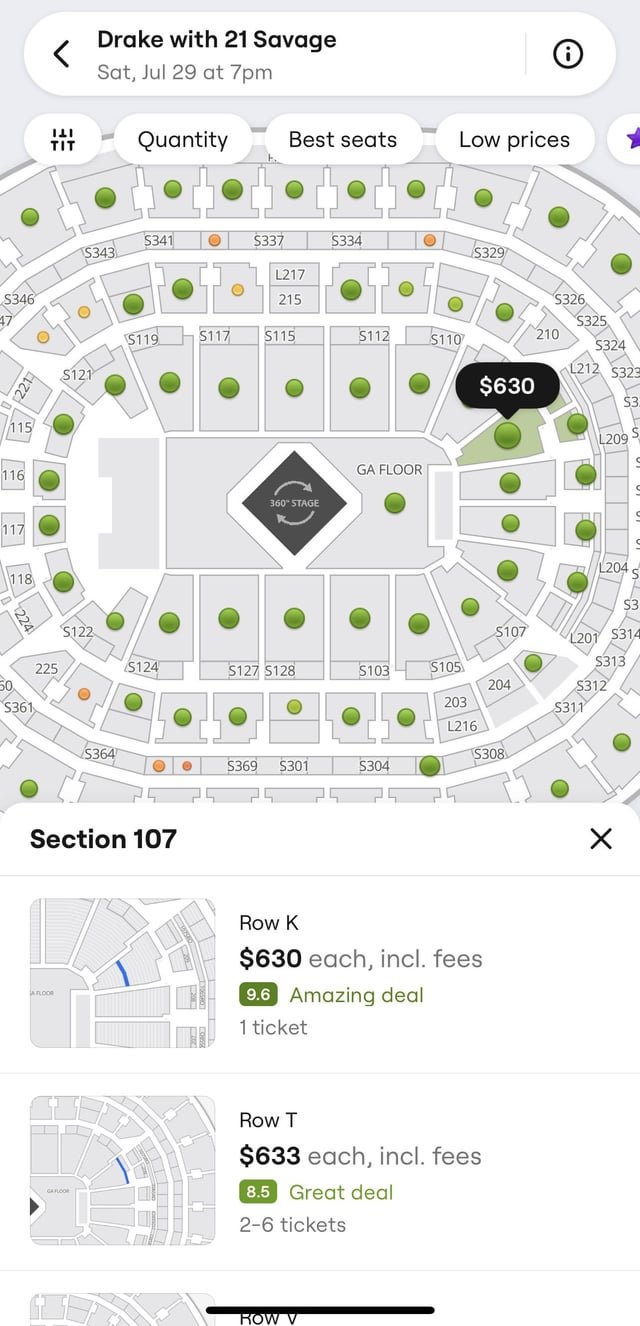
Ticket prices often fluctuate, and whether they go down closer to game time depends on several factors, but it’s not a guarantee.
The anticipation builds as game day approaches. You’re itching to secure those seats, but a big question lingers: do ticket prices go down closer to game? It’s a common query among fans trying to snag a deal.
The truth is, ticket pricing is a complex dance of supply and demand. While you might get lucky with a price drop, it’s certainly not a rule. Sometimes, prices can actually go up closer to game day.

Do Ticket Prices Go Down Closer to Game Time?
Okay, let’s dive into the big question: do ticket prices actually drop as the game day gets closer? It’s a question many of us have pondered while trying to snag a deal to see our favorite team play. The answer, like most things in life, isn’t a simple yes or no. It’s more like a “sometimes, maybe, and it depends” kind of situation. Let’s explore all the angles so you can become a ticket-buying ninja!
The Dynamic World of Ticket Pricing
First things first, ticket prices aren’t set in stone. They’re like bouncy balls, constantly moving up and down. This is because of something called “dynamic pricing.” Think of it like an auction, where the price changes based on how many people want to buy tickets and how many tickets are available.
What is Dynamic Pricing?
Dynamic pricing is a strategy where ticket sellers adjust the price of tickets based on many factors. These factors include:
- Demand: If lots of people want to go to a game, prices usually go up. Think of a popular team playing against a big rival.
- Supply: If there are only a few tickets left, the prices might go higher. It’s simple supply and demand.
- Time: Generally, the closer you get to the game, the more the prices can fluctuate. This is where it gets tricky.
- Opponent: A game against a top-ranked team will likely cost more than one against a team lower in the standings.
- Day of the Week: Weekend games tend to be more expensive than weekday games.
- Weather: Bad weather forecast might lower prices if people are less inclined to go.
- Team Performance: If a team is on a winning streak or making a playoff push, ticket prices often go up.
Essentially, dynamic pricing allows ticket sellers to make the most money they can based on the current situation. It’s a way to make sure they don’t lose out on potential profits.
The Potential for Price Drops
Now, let’s talk about the hope: the possibility of those prices dropping closer to game time. There are a few reasons this might happen:
The “Last-Minute Scramble”
Sometimes, ticket sellers get nervous that they won’t sell all their tickets. As the game gets closer, they might lower prices to get those remaining seats filled. They’d rather sell a ticket at a lower price than not sell it at all. This is where you, the savvy ticket buyer, can find those coveted deals.
Resellers’ Pressure
People who buy tickets to resell them, known as resellers, also face pressure as the game approaches. They want to get rid of their tickets before the game starts, so they may lower prices to entice buyers. If they’re holding onto a lot of tickets, you might see some significant price drops.
Unforeseen Circumstances
Sometimes things happen that cause demand to drop. Maybe a key player gets injured, or the team has a losing streak. This can lead to reduced demand and lower ticket prices. Also, a rainy weather forecast might discourage attendees.
When Prices Might Not Drop
Now, let’s talk about when you shouldn’t count on price drops. There are times when waiting will just cost you more:
High-Demand Games
For popular games like championship matches, big rivalry matchups, or games with celebrity appearances, ticket prices usually stay high or even increase as the game gets closer. These events are often “sold out,” which means there are no official tickets available, pushing prices up on the secondary market. In such cases, prices might skyrocket closer to game time due to scarcity and increased buyer eagerness.
Playoff Games and Special Events
Playoff games, major tournaments, and special events like opening day usually see very high demand. Don’t expect any last-minute price drops for these kinds of games. If anything, prices might get even more expensive.
Low Inventory
If there are very few tickets available from the start, the chances of prices dropping are lower. When supply is scarce, sellers don’t have the same urgency to lower prices.
Popular Seats
If you’re trying to get a specific type of seat, like behind the dugout or court, those might not see price reductions. These are usually highly sought-after and remain at a premium.
Strategies for Finding Lower Ticket Prices
Okay, so you know it’s not a guarantee, but there’s still hope for scoring cheaper tickets. Here are some tips to improve your chances:
Be Flexible
Game Choice: If you’re flexible with what game you attend, look at matchups that are less popular. A weekday game against a less favored team is likely to have cheaper tickets.
Seating Choice: If you’re not picky about where you sit, you can find better prices. Higher up or farther from the field might be more affordable.
Timing: If your plans allow, attending a game later in the season or the afternoon games could be less costly than a night game.
Use Multiple Ticket Platforms
Don’t just check one ticket website. Compare prices on different platforms like:
- Official Team Websites
- Ticketmaster
- SeatGeek
- StubHub
- Vivid Seats
- Gametime
Each platform might have different tickets and pricing. Some sites specialize in resales, and their prices can be more volatile.
Set Alerts
Most ticket sites allow you to set alerts. Enter the game and price range you want, and you’ll receive an email if tickets matching your criteria become available. This lets you be among the first to know if prices drop, especially when ticket sellers are looking to clear up inventory closer to the game.
Last-Minute Hunting
If you’re willing to take a risk, wait until close to game time. Keep checking ticket sites a few hours or even a few minutes before the game begins. Often, you can find great deals. But remember, this is a gamble, and there’s a chance prices could stay high or that the tickets you want will sell out.
Consider Partial View Seats
Sometimes, tickets with a “partial view” are offered at a discount. If you’re okay with seeing part of the field through a post or having a slightly obstructed view, you can save money.
Use Social Media
Follow the team and ticket sites on social media. They sometimes announce last-minute ticket deals or flash sales. Being in the loop can help you snag a bargain.
Join Fan Groups
Fan groups or message boards may have members who want to sell their tickets last minute. This can sometimes lead to good prices.
Buy in Groups
If you’re going with a group, buy tickets together. Sellers sometimes offer discounts for group purchases. This reduces their effort in selling tickets.
Analyzing Historical Trends
It’s important to know that past trends don’t always guarantee future results, but understanding them can help you be more strategic. Generally, the closer to the start of an event, you may notice more frequent price adjustments. However, this pattern varies depending on a number of factors as noted above. Look at the average price change in the week leading up to the game. While you can’t predict exact prices, seeing trends can help you know when to hold out versus when to buy.
The Impact of the Secondary Market
The secondary ticket market, where resellers operate, plays a big role in how prices fluctuate. When a lot of tickets are available on these sites, sellers compete, which can lead to price drops closer to game day. The secondary market is less regulated than the primary ticket market (official sellers) and is more reactive to the supply and demand forces.
The Risk of Waiting
Waiting until the last minute does come with risk. If you are determined to go and it is a high demand game, waiting could mean higher prices. Moreover, the best seats may already be taken and you have fewer choices if you wait. The availability of seats may be limited and you may not be able to get seats near the rest of your group.
A Practical Example
Let’s imagine you want to go to a basketball game. The team is playing a big rival, and the game is on a Saturday night. Tickets start high due to demand. In the days leading up to the game, you keep an eye on prices. You notice that prices haven’t dropped much in the week leading up to the game. This signals that demand is strong, and waiting might not get you a cheaper ticket. Alternatively, If you’re aiming for a less popular weekday game, you might see lower prices closer to game day because it is not in as high of demand.
Balancing Risk and Reward
The key to snagging cheaper tickets is balancing risk and reward. Waiting too long could mean you miss out on tickets altogether or pay even higher prices. Buying too early might mean you overpay. The art of ticket buying is in the timing and knowing when to pounce. Being patient and flexible will help you in your ticket buying quest.
In the end, whether ticket prices go down closer to game time isn’t a clear yes or no answer. It depends on a combination of factors such as demand, supply, the specific event, and luck. By understanding these factors and being a smart and strategic buyer, you can give yourself the best shot at getting the deal you want to see the game.
Ticket Prices For Super Bowl Fall Ahead Of Game Day
Final Thoughts
Ticket prices fluctuate. They often depend on demand. The closer you get to game day, prices might decrease, especially if there are unsold seats.
However, this is not guaranteed. A must-see matchup or a sold-out venue can push prices higher, even at the last minute. So, do ticket prices go down closer to game? It’s a gamble.

