
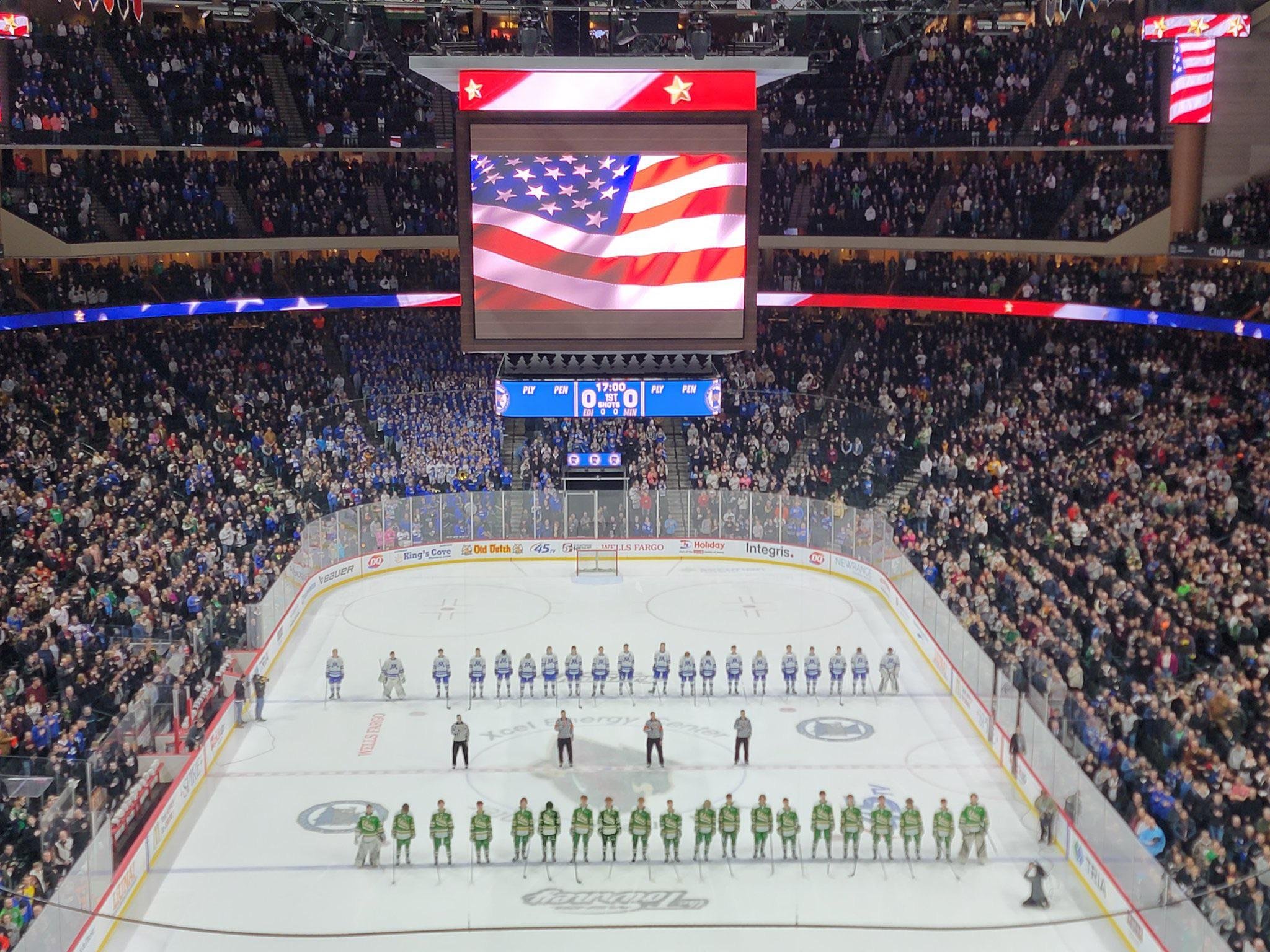
A high school hockey game is typically 45 minutes long, divided into three 15-minute periods.
Ever wondered how long you’ll be glued to the edge of your seat, watching those high school hockey players battle it out? Figuring out exactly how long is a high school hockey game can be tricky if you’re new to the sport.
The standard time for these exciting matches follows a specific structure. Games are split into three sections, these are called periods. Each period contributes to the total game length.

How Long is a High School Hockey Game?
Okay, so you’re curious about how long a high school hockey game lasts? It’s a great question! Unlike some sports with set time limits, hockey games can have some variability. But don’t worry, we’re going to break it all down for you. Let’s get started!
The Standard Game Structure: Periods and Time
Most high school hockey games follow a pretty consistent structure. Just like in the NHL (that’s the National Hockey League, the pros!), high school games are divided into periods. But the time in each period is slightly different. Here’s the basic breakdown:
- Number of Periods: A high school hockey game has three periods.
- Length of Each Period: Each period in a typical high school game is 15 minutes long. This means that if the clock were to run constantly, the three periods would total 45 minutes of game time.
This is the main difference between high school hockey and the professional NHL hockey, where each period is 20 minutes long. This shorter period duration in high school keeps the game at a good pace and accounts for younger players needing breaks.
Understanding Stop Time
Here’s a super important part: The clock doesn’t just run continuously like a timer on a microwave! Hockey uses what’s called “stop time.” This means that the clock stops whenever there’s a stoppage in play. There are many reasons why play might stop:
- Penalties: When a player breaks a rule and gets a penalty, the clock stops.
- Puck Out of Play: If the puck goes out of the playing area (like over the glass), play stops until it’s brought back into play.
- Injuries: If a player gets hurt, the clock stops to allow them to be attended to.
- Goals: Of course, when a team scores, the clock stops to celebrate (and to set up for the next play).
- Face-offs: When the play starts again after a stop, the game begins with a face-off.
- Timeouts: Each team has the opportunity to call timeout in a game, and the clock stops during timeout.
Because of stop time, the total time a game takes to play can be significantly longer than the 45 minutes of playing time. A typical high school hockey game can actually take around an hour and a half, or even a bit longer, depending on the number of stoppages during the game.
Factors That Influence Game Length
Okay, now we know the basics. But several things can impact how long a high school hockey game takes:
Number of Penalties
As mentioned earlier, penalties stop the clock. A game with a lot of penalties will take longer because the clock stops more frequently. If two teams are both playing aggressive, then the game could take longer.
Number of Goals
Goals are exciting, but they also mean the clock has to stop while the players and referees reset. Games with many goals usually take a bit longer.
Injuries
Player safety is the most important thing in hockey. If a player is injured and requires medical attention, this can sometimes take a few minutes, causing the game to go a little longer.
Overtime Periods
Sometimes, at the end of the three periods, the score is tied! In that case, high school hockey often uses an overtime period to decide the winner. The type of overtime played depends on the league rules:
- Sudden Death Overtime: Many leagues will play a sudden death overtime, where the first goal scored wins the game. These periods are usually short and can be 3-5 minutes long. If there are no goals scored in this overtime, there are other methods of breaking tie.
- Regular Overtime: Some leagues may use a full overtime period (usually around 5-10 minutes). If there are no goals scored in this period, they use shootouts to decide the winner.
Shootouts
In some high school leagues, if the game is still tied after the overtime period, they will go into a shootout. In a shootout, each team gets a chance to score a goal in a one-on-one competition with the opposing goalie. The number of shooters usually vary, but after all the shooters attempt their shots, the team with more goals win. This process does add a bit more time to the game but not by very much.
Timeouts
Each team typically has a limited number of timeouts they can use during the game, usually one per game. When a timeout is called, the clock stops and both the teams get to use this time to discuss strategy and regroup. This can add several minutes to the total game time.
Game Breaks: Intermission
Just like in any sporting event, there are intermissions between each period of a hockey game. These breaks allow players to rest, coaches to give instructions, and fans to get snacks. Here is how long the intermissions usually take:
- Intermission Time: In high school games, the intermission is usually about 15-17 minutes long. This is enough time to allow players to get ready for the next period.
These intermissions add to the overall time spent at the arena or watching a game. Two intermissions mean at least an additional 30-34 minutes added to the total game time.
Variations Across Leagues and States
It’s important to remember that not every high school hockey league operates in the same way. Even within the same state, the rules for game length, overtime, and shootouts can change between divisions or different associations. Some leagues might use 17-minute periods, whereas others might even use 13-minute periods. It is best to check with your local association for exact rules and regulations. That’s why it’s a good idea to check the specific rules of your local league or the particular game you’re watching to know what to expect. The officials and coaches of any teams participating in a game, can always provide exact details and rules.
Why the Variations?
You might be wondering why these variations exist. Here are some reasons:
- Development Focus: Some leagues prioritize more playing time to help players develop their skills. Other leagues might focus on keeping game times shorter to accommodate schedules.
- Ice Time Availability: Some arenas have lots of ice time available, while others have limited time, so they need to schedule faster games.
- Local Association Rules: Local associations will have the best understanding of how to play in the areas that they govern. They are set up to best accommodate the needs of their players.
A Quick Summary
Let’s recap all of this:
| Aspect | Typical High School Hockey Game |
|---|---|
| Number of Periods | 3 |
| Length of Each Period | 15 minutes |
| Stop Time | Yes, clock stops for penalties, goals, puck out of play, etc. |
| Total Playing Time | 45 minutes |
| Average Total Game Length | Around 1.5-2 hours |
| Overtime? | Often sudden death or regular overtime, followed by a shootout, if needed |
| Intermissions | 2 intermissions, usually 15-17 minutes each |
So, while the basic playing time of a high school hockey game is 45 minutes, the total time you spend at the rink or watching the game will likely be around 1.5 to 2 hours due to stop time, intermissions, and possible overtime.
Now that you know all about how long high school hockey games last, you’ll be well-prepared to settle in and enjoy all the exciting action on the ice!
The total duration of a high school hockey game extends beyond the 45 minutes of active playing time. This is mainly because of elements such as stoppages, penalties, injuries, intermissions, and potential overtime periods. These factors can add a significant amount of time to the game, stretching it to anywhere between an hour and a half to two hours or even more depending on various factors mentioned above. Understanding these dynamics will allow both players and fans to be properly prepared for a game and allows everyone to understand how the game progresses.
Why Are You Playing High School Hockey? | What to Consider As A SERIOUS Hockey Player
Final Thoughts
A standard high school hockey game consists of three periods, each 15 minutes long. This results in 45 minutes of playing time. However, stoppages for penalties and puck movement often extend the total game duration.
Therefore, while the actual playing time is 45 minutes, a game can run significantly longer. The clock stops frequently during play. So, “how long is a high school hockey game?” The overall time typically ranges from 1.5 to 2 hours.

