
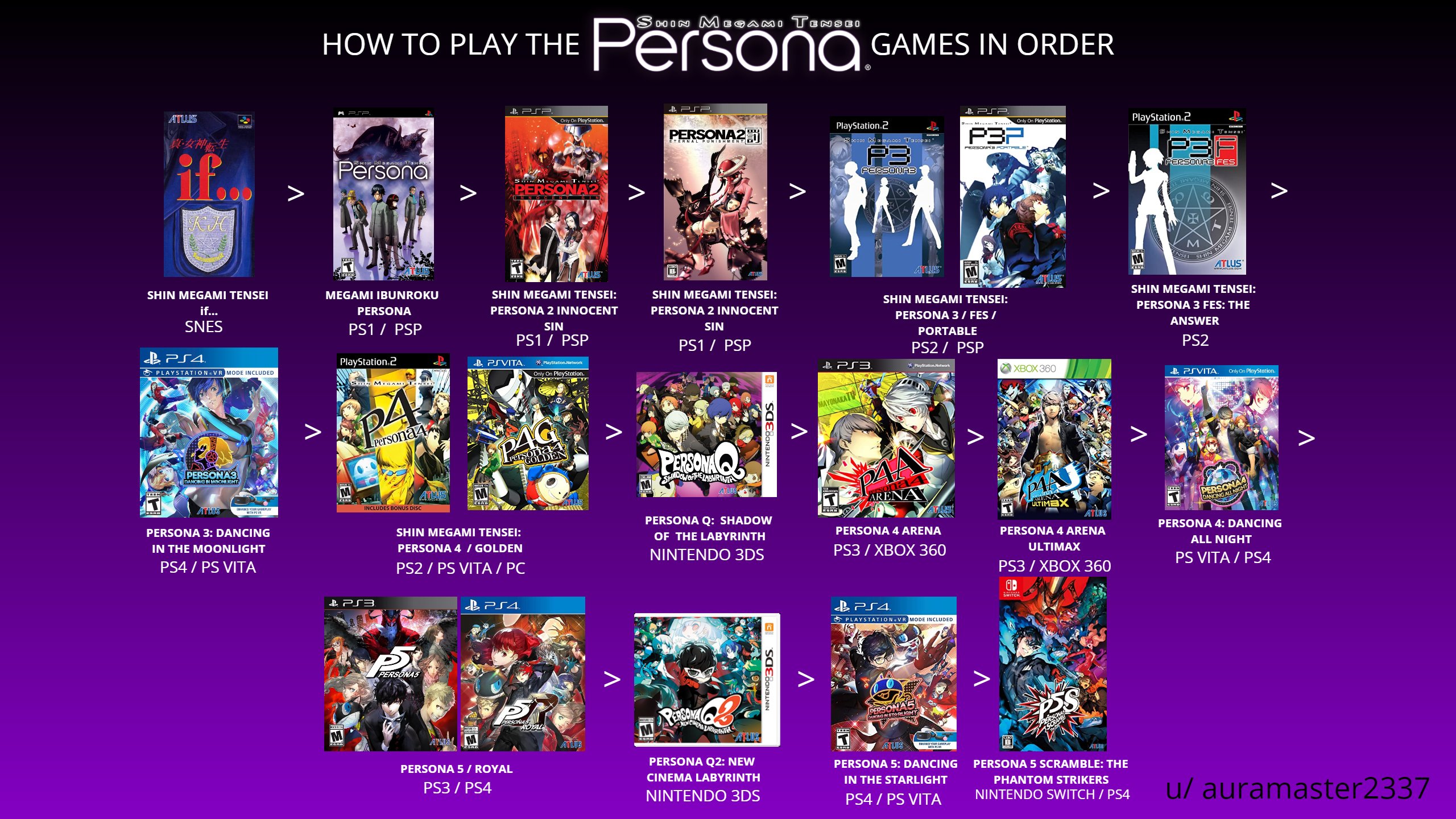
No, you do not have to play the Persona games in order. Each entry features a mostly self-contained story with a new cast.
So, you’re eyeing that stylish JRPG, wondering if you’ve got to start at the very beginning? The question “do you have to play the Persona games in order” often pops up. It’s a valid concern considering the long-running nature of the series.
Each Persona game boasts its own unique story. They introduce a fresh set of characters and a world to explore. While some themes and concepts reappear, they are not dependent on prior entries. You can jump in anywhere.

Do You Have to Play the Persona Games in Order?
That’s a question many gamers ask when they first get interested in the Persona series. It’s a cool series with awesome characters, stories, and music. But, it has a bunch of games! So, do you need to play them all, and in a specific order? Let’s dive in and find out.
The Persona Series: A Quick Look
The Persona series is part of the larger Shin Megami Tensei franchise, but it’s definitely its own thing. Each Persona game usually features high school students who have special powers (Personas) that let them fight monsters. They juggle school, friendships, and battling evil. While they share some common themes and mechanics, the stories are usually standalone, each with unique settings, characters, and conflicts. Each game will give you a different experience.
Core Elements Across Games
Before we talk about order, let’s see what makes a Persona game, a Persona game. Some things you’ll see in almost every game:
- Social Links/Confidants: You build relationships with characters which unlocks new abilities or perks.
- Turn-Based Combat: You and your team take turns attacking enemies.
- School Life: You’re a student who goes to classes, takes exams, and hangs out with friends.
- Dungeon Exploration: You explore mysterious locations with lots of enemies and traps.
- Persona Fusion: You combine your Personas (your powers) to make new, more powerful ones.
Standalone Stories vs. Shared Universe
Here’s the key thing to understand about the Persona series: the games mostly tell independent stories. They don’t always directly connect to each other. You can jump into almost any Persona game and have a complete experience without having played the others. This means that unlike series like “The Legend of Zelda” where certain events from past games are important, Persona usually starts with a clean slate with each release.
Examples of Standalone Narratives
Let’s take a look at some of the main Persona games and why they work as standalones:
- Persona 3: This game introduces the idea of the Dark Hour and SEES, a group that battles Shadows. The story and characters are self-contained and can be played without knowing the other games.
- Persona 4: This game focuses on a murder mystery in the small town of Inaba. The characters deal with the concept of ‘truth’, as well as some pretty big monsters. The story can be enjoyed by anyone whether they’ve played a Persona game before or not.
- Persona 5: This game revolves around the Phantom Thieves, who are fighting corruption and injustice. It has its own set of unique characters, settings and themes.
Why You Might Want to Play in Order (Sometimes)
While the main stories don’t require you to play in order, there are a few reasons why you might want to consider it.
Understanding Recurring Themes and Concepts
Even though each game has its own story, some themes and concepts come back across the series. Playing the games in order might give you a better understanding of those. For example:
- The Velvet Room: This is a mysterious place where the main character can manage their Personas. It appears in most games, but with different characters and slight variations.
- Igor: He is a reoccurring character who runs the Velvet Room.
- Personas and Shadows: While the specifics differ slightly between games, understanding the core mechanics can be useful.
Nods and References
Sometimes, a newer game might have a small reference or cameo from a character from a previous game. These nods are fun for longtime fans and can enhance your experience, but they are never necessary to understand the story. They are more like easter eggs!
Evolution of Gameplay
The gameplay has improved over time. You might appreciate the improvements made in the newer games if you play through the older ones first. However, starting with the latest entry can be a better experience because the games have added new elements that make the gameplay more fluid.
A Suggested Play Order (If You’re Up for It)
If you do decide you want to play through the Persona series in order, here’s the usual progression, while also keeping in mind availability and how easy they are to access:
The Mainline Persona Games
- Persona 3: Start here if you want to experience where the social link and modern gameplay started for the Persona series. (Consider versions like Persona 3 FES or Persona 3 Portable for specific enhancements)
- Persona 4: An awesome mystery story with more quality-of-life improvements. (Persona 4 Golden is the enhanced version).
- Persona 5: A very stylish and well received entry that gives you a taste of the improved modern persona gameplay. (Consider Persona 5 Royal for extra story and characters).
Spin-offs and Other Related Games
There are many other Persona games, like dancing games and arena fighters. They are mostly for big fans and don’t generally affect the main story experience, these include games like:
- Persona Q: Shadow of the Labyrinth & Persona Q2: New Cinema Labyrinth: These are dungeon crawlers that bring together characters from multiple games. Best played after the games they feature (P3, P4 and P5).
- Persona 4 Arena/Ultimax: A fighting game that is a direct sequel to Persona 4. If you’re interested in the continuation of those characters, this is a good choice, but not needed to enjoy the main titles.
- Persona Dancing Games: Fun rhythm games that feature the characters and music from each main title.
Which Persona Game Should You Start With?
Ultimately, the best Persona game to start with is the one that interests you the most. Don’t feel like you have to start with Persona 3, just because it came out first. Here are some suggestions based on what you might like:
If You Like:
- Modern Graphics and Gameplay: Start with Persona 5 Royal. It’s the most polished entry to date, with great visuals and very accessible gameplay.
- A Good Mystery: Start with Persona 4 Golden. The story has a solid murder mystery element to it with memorable characters.
- A Darker Story with Unique Themes: Start with Persona 3 Reload or Persona 3 Portable. These games have a strong, emotionally resonant story.
No matter where you begin, you’ll experience what makes the Persona series so fun.
Persona Game Availability and Platforms
Keep in mind that the availability of these games depends on the platform you play on. Most older Persona titles are playable on a variety of older consoles, however some games have had remakes or been remastered for the latest consoles, so you may find that you’re able to play them on your platform of choice.
Here is a quick overview of some popular platforms:
| Persona Game | Available Platforms |
|---|---|
| Persona 3 Reload | PlayStation 5, PlayStation 4, Xbox Series X/S, Xbox One, Steam |
| Persona 3 Portable | PlayStation Portable, Xbox Series X/S, Xbox One, PlayStation 4, Switch, Steam |
| Persona 4 Golden | PlayStation Vita, PlayStation 4, Switch, Steam, Xbox Series X/S, Xbox One |
| Persona 5 Royal | PlayStation 5, PlayStation 4, Xbox Series X/S, Xbox One, Switch, Steam |
Please remember to check the availability of the games based on your location.
The Final Word on Playing Order
So, do you have to play the Persona games in order? The short answer is no. The Persona games are designed so that you can jump in at any point and enjoy the story. Each has its own self-contained narrative, set of characters, and conflicts. While there are shared elements and recurring themes, these are not necessary to know and only add depth for those who have played previous games. The most important thing is to jump in and have fun. No matter which game you choose, you’ll experience a blend of great music, character development, and a engaging story.
Start with the one that interests you most! Don’t worry about playing all of them in order. Just pick one and start your Persona adventure.
Where to Start: Persona Series | Playing Order & Best Versions of the Games
Final Thoughts
The core answer is: no, you don’t must play them sequentially. Each Persona game has a self-contained story with a new cast and setting. While some minor references exist, they don’t significantly impact the enjoyment.
Therefore, do you have to play the persona games in order? Absolutely not. You can jump in with any title that interests you. Playing earlier ones might enrich the experience, but it’s not a prerequisite for enjoying a later entry.

