
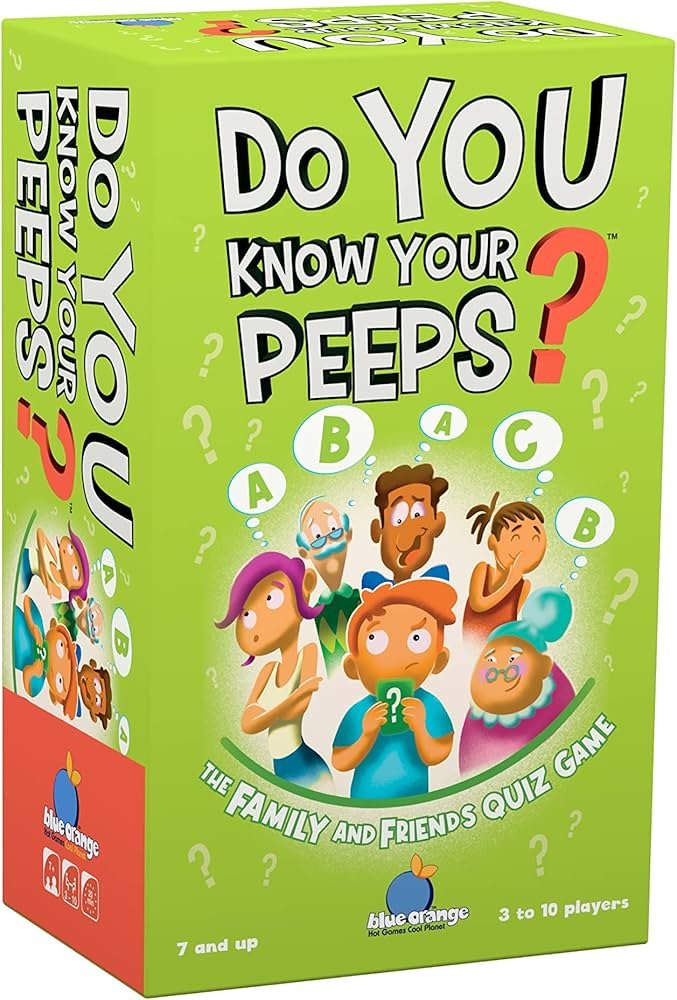
The do you know your peeps game tests how well you understand your friends and family by asking specific questions about their preferences and habits.
Ever wonder how well you really know the people closest to you? That’s the core of the fun behind do you know your peeps game. It’s a delightful way to connect and laugh, exploring the details you may or may not have noticed about your circle.
These games encourage interaction and can reveal some surprising tidbits about your friends. It’s more than just a quiz; it’s a chance to strengthen bonds and build memories.

Do You Know Your Peeps Game? Let’s Dive In!
Have you ever wondered just how well you really know your friends and family? It’s one thing to hang out, but it’s another to truly understand their quirks, their favorite things, and their silliest secrets. That’s where the “Do You Know Your Peeps” game comes in! This isn’t just a game; it’s a fantastic way to bond, laugh, and maybe even learn something new about the people you think you know best. Let’s explore this fun game!
What is the “Do You Know Your Peeps” Game?
At its heart, “Do You Know Your Peeps” is a simple game that puts your knowledge of your friends and family to the test. It’s all about asking questions – fun, interesting, and sometimes silly questions – about the people you’re playing with. You can play it with just two people or a whole group, making it super flexible for any gathering.
Think of it like a quiz, but instead of facts about history or science, you’re quizzing each other about yourselves. The goal is to see who knows who the best. It’s lighthearted, entertaining, and guaranteed to spark some great conversations. This game is perfect for breaking the ice, learning more about each other, and having some laughs along the way. It’s not about winning or losing; it’s all about having fun together and strengthening your connections.
How to Play “Do You Know Your Peeps”?
Playing “Do You Know Your Peeps” is easy peasy! Here’s a breakdown of how it works:
Gather Your Peeps
First things first, you need some people to play with! Invite your friends, family, classmates, or anyone you want to have some fun with. There’s no limit to how many people can play, but it’s often best with at least 2-3 for good interaction.
Decide on Question Format
There are a couple of ways you can approach the question format:
- Verbal Questions: You can ask the questions out loud, taking turns or going around the circle. This method is very interactive and great for instant reactions.
- Written Questions: You can write questions down on slips of paper and draw them randomly. This provides a bit of suspense and gives more time to think about an answer.
- Question Cards: Prepare cards with pre-written questions. This makes it easy and quick to start playing. You can find pre-made cards online or even create your own customized sets.
Taking Turns
To keep things organized, decide how you’ll take turns. You can go clockwise, counter-clockwise, or pick names randomly. Each player will have a chance to answer a question about themselves.
Answering the Questions
This is the heart of the game! When it’s someone’s turn, the designated question-asker will ask them a question about themselves. The person will give their answer. Then, the other players must guess what the correct answer should be.
Scoring (Optional)
If you’re feeling competitive, you can keep score. Here’s how:
- Give one point to each person who guesses the correct answer.
- For more casual play, skip scoring and just focus on the fun. Remember, it’s about the laughs and learning!
Keep the Questions Rolling
Keep going around the group, asking and answering questions until everyone has had a chance to be in the “hot seat” and everyone’s satisfied. The game can be as short or as long as you’d like, making it perfect for a quick pastime or an extended game night.
Example of gameplay
Let’s say you are playing with three people – you (Sarah), your friend (Tom), and your sister (Emily). You choose the verbal question format.
- You start by asking Tom a question: “What’s your favorite pizza topping?”. Tom answers “Pepperoni”.
- You and Emily try to guess what the answer should be. If you both guess correctly, you both get a point.
- Then it’s Emily’s turn to be asked a question, which could be something like “What’s your favorite movie?”
Emily answers, “The Lion King” - You and Tom will now need to guess the answer to this question.
- The game continues in the same way.
Types of Questions for “Do You Know Your Peeps”
The questions are where the real fun lies! Here’s a breakdown of different types of questions you can ask, with examples:
Favorites Questions
These questions are all about what people like:
- What’s your favorite color?
- What’s your favorite food?
- What’s your favorite animal?
- What’s your favorite book or movie?
- What is your favorite song right now?
Experiences Questions
These explore past events and memories:
- What’s your favorite memory with this group of people?
- What’s the best trip you’ve ever taken?
- What’s the funniest thing that happened to you recently?
- What is one thing you are proud to have done?
- What’s the scariest thing you’ve ever done?
Habits and Preferences Questions
These questions dig into daily routines and individual tastes:
- Are you a morning person or a night owl?
- Do you prefer coffee or tea?
- Do you prefer to stay in or go out?
- What’s the first thing you do when you wake up?
- What is your most used app on your phone?
“This or That” Questions
These simple questions are great for quick answers:
- Cats or dogs?
- Sweet or savory?
- Beach or mountains?
- Summer or winter?
- Books or movies?
Silly and Quirky Questions
These questions are designed to be funny and lighthearted:
- If you could be any animal, what would you be?
- What is the silliest thing you have ever done?
- If you had a superpower, what would it be?
- If you had to wear the same outfit for a week, what would it be?
- What is the weirdest food combination you enjoy?
Personal Questions
These are questions to learn more about their personalities:
- What is your biggest dream?
- What is your biggest fear?
- What do you value the most?
- What makes you happy?
- What is something you are working on?
Tips for a Great “Do You Know Your Peeps” Game
To make your “Do You Know Your Peeps” game even better, here are some handy tips:
Keep it Light and Fun
The most important thing is to keep the mood light and fun. This is not the time to quiz someone harshly or make them feel uncomfortable. Remember, the goal is to learn more about each other in a relaxed way.
Mix Up the Questions
Don’t stick to the same type of questions each time. Mix it up! Use a combination of easy, thought-provoking, and silly questions to keep things interesting.
Encourage Storytelling
Sometimes, a simple question can spark a great story. Don’t just settle for quick answers, encourage people to share details and stories behind their answers.
Listen Actively
Pay attention to everyone’s answers. It’s not just about guessing correctly; it’s about learning and understanding. Active listening shows you care and makes the game more meaningful.
Adapt for Different Groups
Tailor the questions to the specific group you are playing with. If you are playing with young kids, keep the questions simple. If you are playing with close friends, you can ask more personal questions.
Don’t be Afraid to be Silly
Don’t take the game too seriously. Encourage laughter and silliness. The more fun everyone has, the more memorable the game will be.
Create Question Banks
If you play the game often, create a “question bank” or a list of questions in advance. This will save time and make it easier to get started.
“Do You Know Your Peeps” for Different Occasions
This versatile game is suitable for a variety of settings and occasions:
Family Gatherings
It’s a fantastic way to strengthen family bonds during holidays or reunions. Grandparents can learn about the grandkids’ current interests, and siblings can share funny childhood memories.
Friend Hangouts
Whether it’s a casual get-together or a planned game night, “Do You Know Your Peeps” brings friends closer and creates lasting memories.
Classroom Activities
Teachers can use this as a fun way to help students learn about each other and build a more inclusive classroom environment. You can do this in smaller groups or as a whole class.
Team Building
It is great for colleagues who want to build a stronger working relationships. It helps people connect on a personal level.
Road Trips
Keep the car rides interesting and fun! This game can make long journeys pass by quickly and entertainingly.
Parties
This game is ideal for breaking the ice with a new group of people. It’s a fun way for guests to interact.
Benefits of Playing “Do You Know Your Peeps”
Beyond just being a fun pastime, “Do You Know Your Peeps” offers several benefits:
Strengthens Relationships
The game helps you connect more deeply with the people you care about. It fosters a sense of understanding and closeness.
Improves Communication Skills
It encourages active listening and open communication, which are important for any relationship.
Builds Empathy
By understanding the other people’s point of view, you build empathy and learn to appreciate their unique personalities.
Creates Positive Memories
Playing together and sharing laughs creates positive memories that people will cherish for years.
Reduces Stress
Engaging in a fun and lighthearted activity helps to reduce stress and boost mood. It creates an atmosphere of happiness.
Boosts Social Skills
For people who are shy or introverted, “Do You Know Your Peeps” can be an easy way to start conversations and interact socially.
So, there you have it! “Do You Know Your Peeps” is not just a game; it’s a fantastic opportunity to connect, laugh, and learn more about the special people in your life. Grab your peeps, ask some great questions, and get ready to have a blast!
Do you know your peeps?
Final Thoughts
Ultimately, knowing your team is crucial for success. A deep understanding of each member’s strengths and weaknesses allows for better collaboration. This, in turn, improves overall project outcomes.
This emphasis on individual awareness is not just a good practice, it’s a must. With this foundation you will create a truly cohesive and productive team. So, have you asked yourself, “do you know your peeps game?”

