
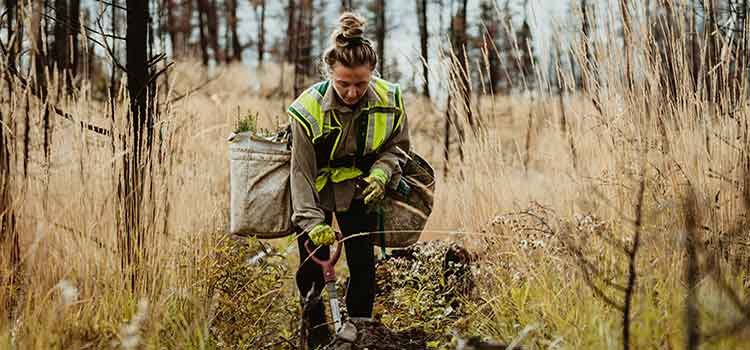
Yes, many game warden positions require at least an associate’s degree, and some prefer or require a bachelor’s degree in wildlife management, criminal justice, or a related field.
The call of the wild, the thrill of protecting nature – these are things that draw many to consider becoming a game warden. But before you picture yourself in the great outdoors, a crucial question often arises: do you need a degree to be a game warden? This is a common concern, and the answer often surprises people.
It’s not always a simple yes or no. The requirements vary a lot depending on the specific state or agency. It pays to research the exact criteria for your area.

Do You Need a Degree to Be a Game Warden?
Becoming a game warden, also known as a conservation officer, is a dream job for many who love the outdoors and protecting wildlife. It’s a career that combines law enforcement with a passion for nature. But, a big question often pops up: Do you really need a college degree to become a game warden? The answer, like many things, isn’t a simple yes or no. It often depends on where you want to work and what kind of responsibilities you’ll have.
Varying Requirements Across Locations
The educational requirements for game warden positions can change a lot depending on the specific state or even the agency you’re applying to. One state might prioritize a four-year bachelor’s degree, while another might be satisfied with an associate’s degree or even relevant experience. Let’s break this down further:
State-Specific Differences
Each state has its own set of laws and regulations governing its wildlife and natural resources. This extends to the qualifications needed for their game wardens. Some states, particularly those with more complex environmental challenges or larger populations, often require a bachelor’s degree in fields like:
- Wildlife Management
- Environmental Science
- Criminal Justice
- Natural Resources
- Biology
These degrees give you a strong base in understanding the ecosystem, wildlife behavior, and legal procedures. Other states might be more flexible, accepting candidates with an associate’s degree or relevant experience, combined with law enforcement training.
Federal Game Warden Roles
If you set your sights on becoming a federal game warden, things get a bit stricter. Federal agencies like the U.S. Fish and Wildlife Service usually require a bachelor’s degree. These positions often involve working on national lands, dealing with more complex issues, and sometimes even international collaboration. The degree requirement ensures these wardens possess a high level of knowledge and skills in conservation and law.
The Value of a Degree
Even if a degree isn’t a strict requirement for every position, obtaining one can be extremely beneficial in many ways:
Knowledge and Skills
A college degree provides you with a deeper understanding of biology, ecology, and wildlife management. You learn how ecosystems function, how human activities affect them, and the best strategies to conserve wildlife populations. These skills are essential when you’re making on-the-ground decisions about wildlife protection.
Advancement Opportunities
In many cases, a degree can open doors to higher-level positions within the agency. If you start as a warden with an associate’s degree or experience, having a bachelor’s degree may enable you to move into management roles, become a training officer, or specialize in particular areas. A degree often increases the chances of career advancement and higher pay scales.
Competitive Edge
The competition for game warden positions can be tough. Having a degree can make your application stand out from the crowd. In addition to demonstrating academic knowledge, a degree shows dedication, discipline, and the ability to learn and adapt. All these are qualities that agencies seek when hiring wardens.
Enhanced Problem-Solving
A college education often encourages critical thinking and problem-solving abilities. In a role that involves facing unique challenges daily, from dealing with poachers to managing wildlife conflicts, these enhanced problem-solving skills become highly valuable.
Alternatives to a Four-Year Degree
Not everyone has the time or financial means to get a four-year degree. Fortunately, there are other routes to becoming a game warden. These can include:
Associate’s Degree
An associate’s degree in a related field, such as criminal justice or natural resources, can be an alternative path. These programs often provide a foundational understanding of relevant subjects and can shorten your time in school.
Prior Law Enforcement Experience
Many agencies value prior experience in law enforcement, even if it’s not specifically related to wildlife. If you’ve worked as a police officer, sheriff’s deputy, or in another law enforcement role, your experience with investigations, laws, and procedures can make you a strong candidate. Many states have programs that assist certified peace officers to transition into a game warden role.
Military Service
Military service, particularly in roles related to security, operations, or natural resource management, can also be beneficial. This experience demonstrates responsibility, discipline, and the ability to handle challenging situations. Military veterans sometimes receive hiring preferences for governmental positions.
Relevant Experience in Natural Resource Management
Working in conservation, wildlife rehabilitation, or park services can also make you a competitive applicant. These roles provide hands-on experience with wildlife, ecosystems, and natural resources, which is highly valued by game warden agencies. Spending time working as a park ranger, wildlife technician, or forestry technician can be a great stepping stone.
Combination of Experience and Education
Often, the most successful applicants have a combination of education and related experience. This shows a commitment to the profession and a diverse background.
The Importance of Training Programs
Regardless of your educational background, you’ll almost certainly need to complete a training program after being hired. These programs are often rigorous and prepare you specifically for the role of a game warden. These programs include:
Law Enforcement Academy
Just like other law enforcement officers, game wardens typically need to complete a law enforcement academy. This will provide you with the necessary skills in criminal procedure, firearms training, defensive tactics, and emergency response. This training will vary depending on your state or agency.
Field Training
After completing the academy, you’ll likely participate in a field training program. This is when you get practical, on-the-job experience, learning from seasoned game wardens. You’ll go through actual scenarios, conduct investigations, and learn how to enforce laws in real-world situations. Mentorship is a large part of this experience.
Specialized Training
Depending on your agency and area, you might receive specialized training in topics like boating safety, off-road vehicle operations, or wildlife handling. Some agencies have specific units that handle complicated situations like wildfires or search and rescue operations.
Skills and Personal Qualities
While education and training are essential, specific personal qualities and skills also play a big role in being a successful game warden. These include:
- Physical Fitness: Game wardens often work in challenging environments and must be able to hike long distances, navigate rough terrain, and handle emergencies.
- Excellent Communication: You need to be able to communicate clearly with the public, explain laws and regulations, and sometimes de-escalate potentially hostile situations.
- Problem Solving Skills: From investigating poaching incidents to managing human-wildlife conflicts, game wardens need the ability to analyze problems and find effective solutions.
- Integrity and Ethical Behavior: As law enforcement officers, game wardens must act with integrity, enforcing the law fairly and consistently.
- Passion for the Outdoors and Wildlife: You must have a genuine love for nature, and concern for wildlife. This passion will fuel you when things are challenging.
- Decision Making: Game wardens often must make quick decisions in the field, often without immediate backup or help.
- Ability to Work Independently: Game wardens are often working alone in the field, so must be self-reliant and independent.
Specific Examples
Let’s look at a couple of examples to demonstrate the varying educational requirements for becoming a game warden in different places:
Example 1: State with a Higher Requirement
In a state like California, which has a large population and a diverse range of ecosystems, the Department of Fish and Wildlife often requires a bachelor’s degree in a related field such as biology or natural resources for entry-level game warden positions. This requirement ensures candidates have the necessary foundational knowledge to handle the complex challenges of managing California’s abundant wildlife and habitats.
Example 2: State with More Flexible Requirements
In contrast, a state like Wyoming, which has a smaller population and more limited financial resources, may have more flexible requirements. While a degree is still valuable, they might also accept candidates who have relevant experience in law enforcement or conservation, especially if they’ve completed necessary law enforcement training.
Job Responsibilities
The job of a game warden is diverse, which makes them some of the most unique law enforcement officials in the world. A typical day might include:
- Enforcing Wildlife Laws: This involves patrolling, checking licenses, and issuing citations to violators.
- Investigating Illegal Hunting and Fishing: Game wardens work to catch poachers, and bring them to justice.
- Wildlife Management: Sometimes, they assist in monitoring wildlife populations and participating in wildlife relocation efforts.
- Educating the Public: They interact with the public, educating them about hunting, fishing, and environmental laws.
- Search and Rescue: Game wardens are often involved in locating lost or injured hikers and outdoors people.
- Community Engagement: Building relationships with local communities to collaborate in conservation efforts.
The work can be physically and mentally challenging, as it often involves long hours, unpredictable schedules, and the potential for dealing with dangerous situations. But, for those passionate about the outdoors and conservation, it’s an incredibly rewarding career.
In conclusion, while a college degree isn’t always a strict, universal requirement for every game warden position, it is very valuable. The specific educational requirements depend on the state or agency and can change over time. However, a degree often leads to more advancement opportunities and makes an applicant much more competitive. If you don’t have a four-year degree, there are alternative paths, such as associate degrees, relevant experience, and military or law enforcement backgrounds. Remember to research the specific requirements for the areas you are interested in, and prepare yourself for a challenging, but very rewarding career.
How to Become a Game & Fish Warden
Final Thoughts
Whether you need a degree to be a game warden often depends on specific state requirements. Many agencies prefer candidates with a bachelor’s degree in wildlife management, criminal justice, or a related field. However, some positions might accept relevant experience.
Having a degree can be a must for advancement opportunities. It also demonstrates a strong commitment to the profession. Certain states may accept associate degrees for entry-level roles.
Ultimately, the answer to the question “do you need a degree to be a game warden?” varies. Researching the requirements of the specific agency you are interested in is essential.

