
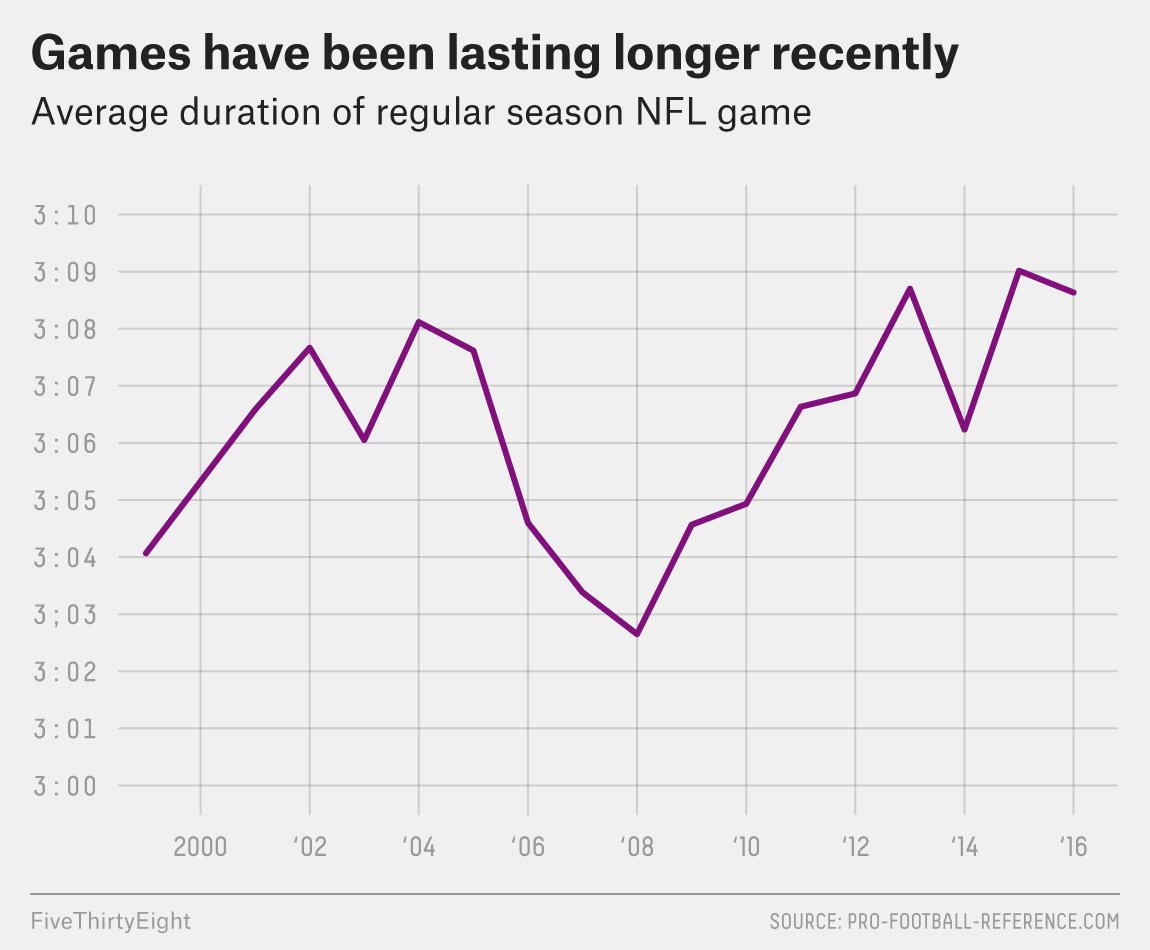
An average NFL game lasts approximately 3 hours.
Ever wondered how much time you’re committing to watching America’s favorite sport? It’s a common question; “how long is a nfl game?” really is something many people ask. We’ve all experienced those epic Sunday matchups.
The clock may seem to stop and start, but there is an actual duration for these games. Knowing the typical length helps plan your day around the action. Now you know what to expect when you settle in for some football.

How Long is an NFL Game?
Okay, so you’re settling in to watch some football, maybe with a big bowl of popcorn and your favorite jersey on. But then you start wondering – how long is this thing going to take? That’s a great question! An NFL game isn’t just a quick thing; it’s more like a three-hour event. But there’s a lot more to it than just those three hours, so let’s dive into the details and figure out what really makes up the length of a typical NFL game. We are going to discuss the different components of a game and understand why it takes the time it does. From the actual playing time to those necessary breaks, we’ll cover it all!
The Basic Breakdown of an NFL Game
At its heart, a standard NFL game is divided into four quarters, each lasting 15 minutes. That’s the actual playing time, what you would see if the clock never stopped. So, we have four quarters 15 minutes per quarter, which equals 60 minutes of actual playing time. But, if you’ve ever watched a game, you know it’s much longer than just an hour! That’s because there are many breaks during the game.
What are the Halftime Breaks?
Right in the middle of the four quarters, we have a halftime break, which is usually about 12 to 15 minutes long. This time allows players to rest, coaches to make adjustments to their strategies, and fans to grab more snacks or use the restroom. It’s an important breather for everyone involved. Think of it as a mini-break in the action. The halftime break can vary slightly but remains around this range. It is important for both teams.
Timeouts and the Game Clock
Now, let’s talk about those pauses during the quarters. Timeouts are a major reason why an NFL game lasts longer than the basic 60 minutes. Each team has three timeouts per half (for a total of six per game). When a timeout is called, the clock stops. This gives teams a chance to discuss their plans or give players rest, and it gives the television broadcasters time to show commercials. These timeouts can vary in length, but they all add to the overall game time.
Besides timeouts, the clock stops after every incomplete pass, when a player goes out of bounds, after a score and after a penalty. There are so many reasons why the clock stops, which causes the game to be much longer than 60 minutes.
Commercial Breaks
Here is another major factor that influences the length of an NFL game; commercials breaks. This is where the television broadcast goes to commercials. There are several of these breaks during a quarter, and especially between quarters and after timeouts. These breaks are an important part of the television broadcast, but they do add to the time of the game. This allows people to use restroom and get snacks without missing any of the action. It also allows television networks to make money, and they can be quite lengthy at times, sometimes lasting for minutes.
How The Clock Works During an NFL Game?
The clock in an NFL game isn’t just a simple timer. It has rules that impact how long the game takes. The clock stops when:
- A player runs out of bounds
- There’s an incomplete pass
- A penalty flag is thrown
- The ball carrier’s knee touches the ground
- A team scores a touchdown or field goal
- A team calls a timeout
- After a change of possession
The clock keeps running when there is a run play, or when a player catches a pass and stays in bounds. Learning about how the clock works can make the game more understandable for you.
The Two-Minute Warning
Towards the end of each half, there’s a special event called the two-minute warning. With exactly two minutes left on the clock in the second and fourth quarters, the game clock stops automatically. This adds a natural pause, which is similar to a timeout. This allows for one more opportunity for teams to score. After the two-minute warning, there are so many reasons to stop the clock. It can take a long time to play just two minutes of the game.
The Total Time – What You Really Need to Know
So, if we put all of this together, what’s the final answer? Well, a typical NFL game, from kickoff to the final whistle, lasts about 3 hours. However, some games might be a bit shorter, and others might be a bit longer if there are a lot of penalties or reviews. But overall, you should plan for a 3-hour block of time. Here is a breakdown in a table for you to understand the time better:
| Section | Approximate Time |
|---|---|
| Four Quarters of Actual Play | 60 minutes (15 minutes per quarter) |
| Halftime Break | 12-15 minutes |
| Timeouts and clock stoppages | Variable (can easily add 30-60 minutes) |
| Commercial Breaks | Variable (can add 30-60 minutes) |
| Average Total Game Time | Around 3 hours |
As you can see from this table, most of the time is eaten up by timeouts, clock stoppages, and of course commercial breaks. This gives you a good insight into what to expect when you decide to watch a football game.
Factors that Affect Game Length
While we’ve established that most games are around 3 hours long, some factors can make them shorter or longer. Let’s take a look at those.
Blowout Games
Sometimes, one team gets way ahead early in a game. If a team has a huge lead, the game clock might run more often in the second half. This is due to running plays, and not passing plays. So, fewer stops in the clock, which can shorten the overall game time. The winning team will run the ball to keep time moving, and thus, the game gets over more quickly.
Close Games and Overtime
On the other hand, if a game is very close, especially toward the end of the fourth quarter, there are more clock stoppages. Both teams use their timeouts, and there may be more penalties. This can significantly increase the length of a game. And if the game ends in a tie, it goes into overtime, which adds even more time. Overtime can sometimes last over 30 minutes.
Injuries
If a player is injured, the game clock stops while medical staff attends to the player. The length of the stoppage depends on the injury. This can cause the game to be longer. This is a necessary pause in the game and ensures the safety of the players.
Reviews
Sometimes, referees aren’t sure about a particular play. They need to go to the replay booth to have another look at the play. This can stop the game for several minutes. Each review adds to the overall game time. Technology has helped the game, but it does add to the length of the game.
Special Games – Different Time Rules
Most of the NFL games follow these guidelines we’ve talked about above. There are special games that can have a slightly different feel when it comes to game time. Let’s take a look at these special cases:
Preseason Games
Preseason games are mostly played by players who are trying to make the team. These games are not as intense as the regular season games. These games can be a little quicker, as there may be fewer penalty calls. These are often used by teams to test different players and strategies, they follow the similar rules.
Playoff Games
Playoff games are some of the most important games of the year. This can also add to the game time. Due to the high stakes involved in these games, sometimes it takes a long time to get all the reviews in place, along with the regular timeouts and stoppages. It is always best to plan for some extra time when watching a playoff game.
Super Bowl
The Super Bowl is the final and biggest game of the year, and it can definitely be longer than a typical game. There’s often a very long halftime show and many more commercial breaks. The Super Bowl is the most-watched sporting event in America. The game itself is longer due to all the other festivities and things surrounding the big game.
International Games
Sometimes the NFL plays a game in a different country like London or Mexico. These games follow the same rules, but they are often scheduled to make sure they are played at a good time for viewers in the US, and the country in which it is played. This is mostly to cater to the viewing habits of the audience in the US.
Why Does It Take So Long?
Now, you might be wondering, why does it take so long? After all, the actual playing time is only 60 minutes. The main reason is all of the breaks. Timeouts, stoppages for incomplete passes, penalties, commercials, and the halftime break all add to the game length. These pauses are there for good reasons. They give players a chance to rest, they provide time for strategy and coaching discussions, and they also allow the broadcast networks to show commercials. All of these together make the game take about three hours.
A Note for Fans
So, if you are settling down to watch a game, you should plan for about three hours to watch a complete NFL game. Keep that in mind when planning your day. You don’t want to have other engagements when a big game is on. Having a clear picture of the time helps you to plan accordingly. So, grab your favorite snacks and comfortable clothing, and get ready to have some fun while watching NFL games!
Knowing how long a game is can help you make sure you have enough time and make your viewing experience more enjoyable. Now you understand what makes an NFL game so long.
How long is an NFL game?
Final Thoughts
A standard NFL game lasts approximately three hours. This includes four 15-minute quarters, with breaks in between. Halftime is the longest pause, at about 12-15 minutes.
Clock stoppages for incomplete passes, penalties, and timeouts add extra time to the game’s duration. “How long is a NFL game” becomes more variable with these factors.
Therefore, while the clock runs for 60 minutes, a typical NFL game experience goes beyond that. Plan for about three hours when watching a contest.

