
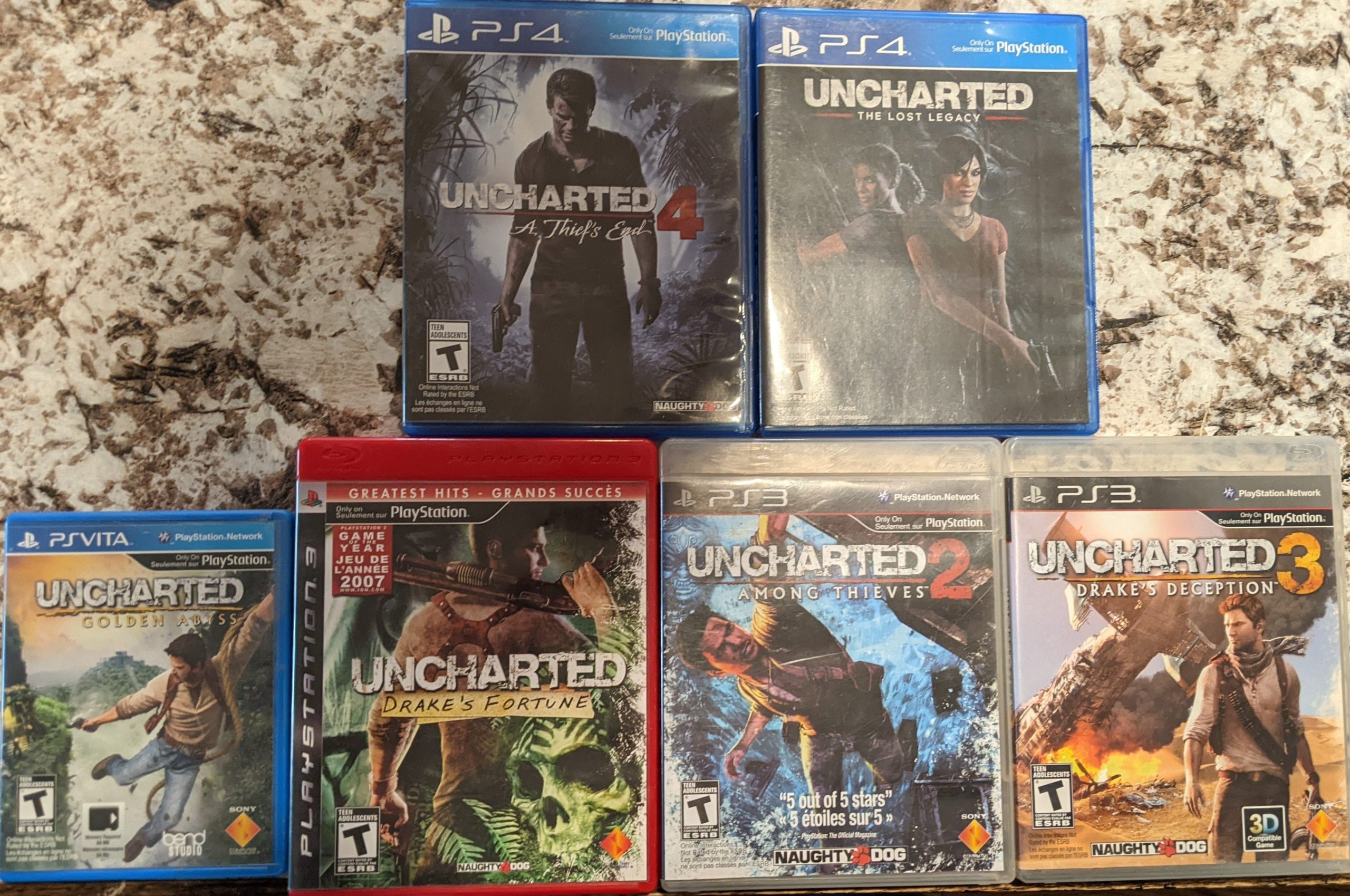
No, you do not need to play the Uncharted games in order to enjoy them, as each story stands alone well, with recurring characters and themes adding to the overall experience.
So, you’re diving into the world of treasure hunting with Nathan Drake, and you’re probably wondering, do you need to play the Uncharted games in order? It’s a fair question since there are quite a few entries in the series. You might worry about missing important plot points.
While the games share a narrative universe and recurring characters, each title presents a fairly self-contained adventure. You can jump into any of them without being completely lost, and appreciate the story being told.

Do You Need to Play the Uncharted Games in Order?
So, you’re thinking about jumping into the thrilling world of Uncharted, huh? That’s awesome! You’re about to experience some seriously amazing adventures with Nathan Drake. But a question probably popped into your head: “Do I need to play these games in order?” It’s a good question, and the answer, like most things, is a little bit complicated. Let’s break it down so you can figure out the best way to start your Uncharted journey.
Understanding the Uncharted Story Arc
The Uncharted series, at its heart, is about the adventures of Nathan Drake, a treasure hunter who’s always getting into (and sometimes out of!) trouble. Across the main games, we see Nathan grow and change, developing relationships and facing bigger and bigger challenges. Think of it like watching a TV show where the characters evolve from season to season. While each game tells its own story, there are threads that carry over, particularly concerning the core characters.
The Core Characters and Their Relationships
Nathan Drake isn’t alone in his adventures. He’s got a crew, and they play significant roles in his life. Here’s a quick look at some of the main players:
- Victor “Sully” Sullivan: Sully is Nathan’s mentor and best friend. He’s a wisecracking older guy who’s been in the treasure hunting game for a long time. Their bond is one of the most important things in the series.
- Elena Fisher: Elena is a journalist who often gets tangled up in Nathan’s adventures. She’s smart, capable, and has a complicated but powerful relationship with Nate. It’s a romantic relationship that evolves across the series.
- Chloe Frazer: Chloe is another treasure hunter, and she has a more on-again, off-again relationship with Nathan. She’s independent and skilled, and often brings a different perspective to the group.
- Samuel Drake: Nathan’s older brother appears later in the series and has a major influence on Nathan’s motivations and understanding of his past.
These relationships change across games. Seeing how they develop makes the story richer and more meaningful. If you jump into a later game first, you might miss out on the history and nuances of how these bonds developed.
The Benefits of Playing in Order
Okay, so we’ve established that relationships are important. Let’s talk about why playing the Uncharted games in order is usually the best way to experience them:
Character Development
As I said before, seeing characters change across the series is a major part of what makes Uncharted so special. Nathan Drake starts as a young and somewhat reckless adventurer, but he matures and faces difficult choices. We see his relationship with Elena grow from being just two people thrown into situations together, to a much deeper, more romantic partnership. We see how Sully’s influence affects Nathan. Skipping games will make some of these emotional beats less impactful.
- Nathan’s Growth: You will see how Nathan changes from a young guy on the run to a more responsible, but still awesome, adventurer.
- Relationship Evolution: His partnerships with Elena, Sully, and other recurring characters are developed through the games.
- Emotional Payoff: Moments throughout the game mean more because you have seen the earlier stages of those relationships.
Story Continuity
While each game has a self-contained treasure hunt, there are underlying stories and threads that link them together. For example, some themes are introduced in early games and then come back in later ones. Playing in order will help you understand these connections. You won’t get lost as they add to previous story elements and it will make the overall experience more satisfying. Some games will mention events that happened in previous titles, and although you are able to understand what happened, experiencing the story yourself first hand adds much more impact.
- Recurring Themes: certain themes and narrative ideas are revisited across games.
- Story References: later games often reference or build on events that occurred in past games.
- Understanding Motives: characters’ actions will make more sense, because you’ve watched their story unfold, allowing you a greater understanding of their character.
Gameplay and Mechanical Evolution
The gameplay mechanics and visual quality in the Uncharted games improved from game to game. Playing in order will allow you to appreciate that evolution. You get to see how the games were built and improved upon. In a similar sense, it’s like watching the evolution of film technology. If you watch the newest movie first, you might not appreciate how far things have come.
- Improved Graphics: You’ll notice the visual and technical improvements as you progress through the series.
- Gameplay Enhancements: each installment adds to and improves combat, puzzles, and exploration.
- Game Design: experience a design progression of gameplay mechanics as they are refined through the series.
When It’s Okay to Jump Around (And When It’s Not)
Okay, so you see the benefits of playing in order. But there are a few exceptions where you might be able to jump around. Let’s look at those.
Starting with Uncharted 4: A Thief’s End?
Uncharted 4 is a fantastic game, and it can be enjoyed as a standalone experience. It does a good job of recapping the previous games. If you’re primarily interested in its story and don’t have much experience with the other games, it will likely be fine. However, you’ll be missing some of the background. Some characters and events may not have the emotional impact they would have if you’d played the previous games. You would still have an understanding of characters and past events, but some of the significance and impact may be lost, especially since it involves the most emotional events of Nathan Drakes’ journey.
- Good Standalone Narrative: it can stand alone well because it explains past events enough to keep you in the loop.
- Emotional Depth Missing: without previous games, some of the deeper character development and emotional moments will be weaker.
- Understanding the Past: while it recaps some events, experiencing them yourself creates a deeper sense of understanding.
Uncharted: The Lost Legacy – A Special Case
Uncharted: The Lost Legacy is a spin-off game, starring Chloe Frazer, and it is considered its own story, which is not necessary to understand the main Nathan Drake story. You don’t need to have played all the games in order to enjoy The Lost Legacy. It can serve as a decent introduction to the Uncharted world if you’re not sure where to start. However, if you are invested in understanding the character of Chloe, it’s beneficial to have played Uncharted 2 and Uncharted 3. In other words, The Lost Legacy can be played out of order but playing the titles in order will improve your understanding of the characters and world.
- Spin-off Story: it is a standalone adventure with a different protagonist.
- Character Focused: it is more about Chloe Frazer and less about Nathan Drake, but her story is enhanced by playing Uncharted 2 and 3.
- Good for Newcomers: it can introduce new players without requiring previous knowledge.
The Order I recommend
If you want the best and most complete Uncharted experience, here’s the order you should play them in:
- Uncharted: Drake’s Fortune: This is where it all starts. Meet Nathan Drake, Sully, and Elena.
- Uncharted 2: Among Thieves: The series improves, and introduces Chloe Frazer and a more compelling story.
- Uncharted 3: Drake’s Deception: Explores Nathan’s past and expands upon his relationships, particularly with Sully.
- Uncharted 4: A Thief’s End: The final chapter of Nathan’s story and adds emotional depth to his journey.
- Uncharted: The Lost Legacy: Can be played any time after Uncharted 3, but you may want to play this after Uncharted 4 for closure of the main series.
A Quick Overview Table
Here’s a summary of key points to make it even clearer:
| Game | Order of Release | Recommended Play Order | Why Play in This Order |
|---|---|---|---|
| Uncharted: Drake’s Fortune | 1 | 1 | Introduces the main characters and sets the foundation for the series. |
| Uncharted 2: Among Thieves | 2 | 2 | Builds upon the first game, introduces new characters, and elevates the gameplay. |
| Uncharted 3: Drake’s Deception | 3 | 3 | Continues the story and further develops the characters’ relationships. |
| Uncharted 4: A Thief’s End | 4 | 4 | The conclusion to Nathan Drake’s story arc and brings the series to a climactic conclusion. |
| Uncharted: The Lost Legacy | 5 | 5 | A standalone adventure featuring Chloe Frazer that can be played at any time but more impactful after the main series. |
Ultimately, while each Uncharted game can be played on its own, the whole experience is significantly enriched by playing them in order. You get to watch characters grow, storylines develop, and appreciate the evolution of the gameplay mechanics. If you’re going to invest your time in these awesome games, you might as well get the full experience!
How To Play Uncharted in The Right Order!
Final Thoughts
You can enjoy each Uncharted game independently. The stories mostly stand alone, though some character development builds over the series. There are references, but they aren’t critical for understanding a game’s plot.
Playing them in order will enhance the overall narrative experience. You get more appreciation for the recurring characters and their relationships. But ‘do you need to play the uncharted games in order’? The answer is simply no, you must not.

