
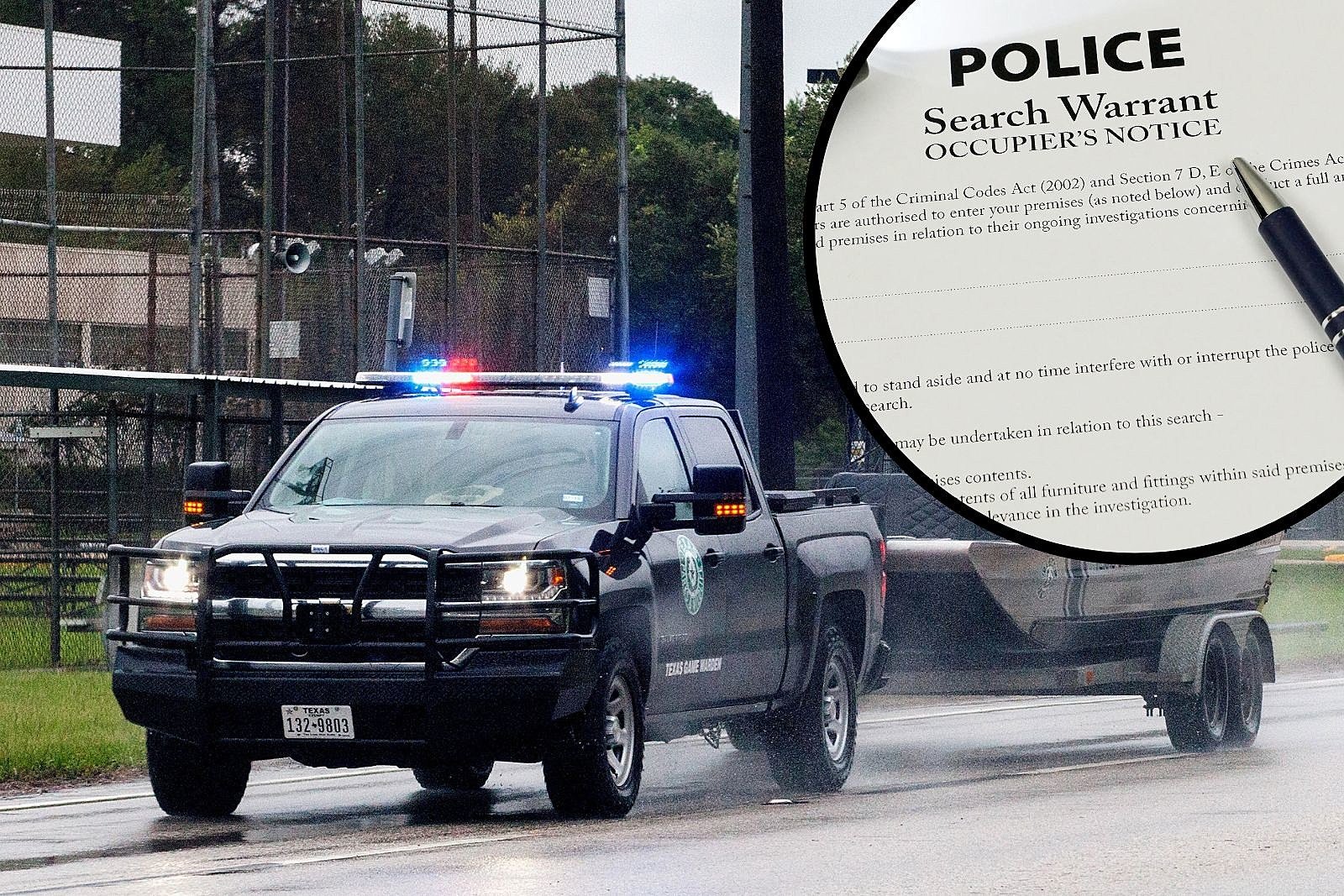
Generally, a game warden needs a search warrant to enter private property, unless there’s an exception like probable cause or consent.
Navigating the complex world of hunting and wildlife regulations can be tricky. Many wonder, does a game warden need a search warrant before inspecting your gear or property? It’s a valid question that often arises when we think about our rights versus law enforcement authority.
The line between a warden’s duties and individual liberties can sometimes seem blurry. It’s essential to understand these legal boundaries. So, let’s delve into the specifics of when they require a warrant and when they don’t.

Does a Game Warden Need a Search Warrant?
It’s a common question that pops up when we think about game wardens and their jobs. We see them out in the woods, on the water, and sometimes even checking hunting licenses. But what rules do they have to follow? Do they need a search warrant to look into your things? The answer isn’t always a simple yes or no. It really depends on a few different things. Let’s take a closer look and break it down.
What is a Search Warrant?
Before we go any further, let’s define what a search warrant actually is. A search warrant is a piece of paper that a judge signs. This paper gives permission to law enforcement, like a police officer or a game warden, to search a specific place. It could be your house, your car, or even a cooler in the back of your truck. The warrant says exactly what they can search for, and it needs to be based on something called “probable cause.” That means they need a good reason to believe a law has been broken. They can’t just search because they feel like it. They have to show the judge they have some information that suggests a crime might have occurred. This is to protect everyone’s right to privacy.
Game Wardens and Their Authority
Game wardens are law enforcement officers whose main job is to protect wildlife and the environment. They make sure people are following hunting and fishing laws. This could mean checking for proper licenses, making sure people aren’t taking too many animals, and making sure the animals are taken legally. To do this, they need certain powers, and part of that power involves searching. But even with this authority, they can’t just search wherever they want. That’s where things can get a little complicated.
When Do Game Wardens Need a Search Warrant?
Now, let’s get to the heart of the matter: when do game wardens need a search warrant? It generally comes down to whether the location is a place where someone has a reasonable expectation of privacy. Think of it this way: your home is a place where you absolutely expect privacy. You likely don’t expect the government to come in without very good reason. That means for the average search of your home, a search warrant will be required.
Private Property
Generally, if a game warden wants to search your private property, like inside your house or your enclosed garage, they will usually need a search warrant. The reason is simple; these locations are generally considered to be areas with high expectations of privacy. Think about your bedroom – you’d expect the government to have a great reason for wanting to go inside, right? It’s the same concept. A judge must agree there’s probable cause before issuing a warrant to enter and search your private property.
Vehicles and Personal Belongings
Searching a vehicle is a bit of a gray area. Generally, the expectation of privacy in your vehicle is lower than in your home. If the game warden has a good reason (probable cause) to believe you’ve broken a wildlife law, they can sometimes search your vehicle without a warrant. This is often due to what’s known as the “automobile exception” to the warrant requirement. This exception exists, in part, because vehicles can easily be moved before a warrant can be obtained.
- Reasonable Suspicion: If a game warden sees, for example, a deer clearly out of season in the bed of your pickup, they can likely search the vehicle for other game, evidence or tools used in the unlawful taking of the deer. This situation likely rises to the level of probable cause.
- Consent: If you give the warden permission (consent) to look through your vehicle, they usually don’t need a warrant. It’s important to remember you can say “no” to this request.
Personal belongings like backpacks, coolers, and fishing tackle are similar. If these items are in plain sight or if there’s a good reason to believe they contain evidence of a wildlife violation, they may be subject to search without a warrant, especially in an area where the owner doesn’t have an expectation of privacy.
When Can a Game Warden Search Without a Warrant?
Okay, so if they don’t always need a warrant, when are they allowed to search without one? There are several situations where game wardens can conduct a search without a warrant, based on legal exceptions to the typical warrant requirement.
Plain View
If a game warden sees something illegal in plain view, they can take action. For example, if they see an untagged deer in the bed of your truck, they don’t need a search warrant to look closer. The violation is right there for them to see. They aren’t searching for it; it’s plainly visible to anyone.
Open Fields Doctrine
The open fields doctrine is a legal concept that means that private land that is not within the immediate vicinity of a home (such as a garden, or yard) is not protected by the Fourth Amendment’s requirement for search warrants. If a game warden is on private property that is not considered part of the immediate house area (the curtilage), they can likely look for violations without a warrant. Think fields, wooded lots, and large tracts of land. They can’t enter your actual house without a warrant, but they can walk a fence line or through a large pasture without having a warrant. This is a complex area of law that can change depending on the state and specific facts, so it is important to remember it can be somewhat complicated.
Public Lands
Generally, when you are on public lands, like national forests or state parks, you have a lower expectation of privacy. This is because these areas are open for public use. Game wardens can usually patrol these areas and investigate potential violations without needing a search warrant. They can check licenses, inspect hunting gear, and look for illegal activity, but they are still governed by the rules of law, and they can’t conduct a search of personal property beyond certain limitations.
Checkpoints and Roadblocks
Sometimes, game wardens set up checkpoints, similar to DUI checkpoints, to check for compliance with wildlife laws. These can include checking for licenses or making sure animals being transported have been legally harvested. These checkpoints don’t usually require a search warrant because they are conducted systematically and according to legal guidelines. All vehicles are generally subjected to the same level of inspection, not just one particular vehicle. The reason for these checkpoints is to ensure that compliance with the laws exists for all those participating in hunting, fishing, or wildlife activities.
Exigent Circumstances
If a game warden has good reason to believe that a delay in searching would allow someone to destroy evidence, they may be able to conduct a search without a warrant. These situations are called exigent circumstances, and they usually require immediate action. For example, if they believe someone is about to release an illegally caged animal, they can usually act to stop the animal from being released, even without a search warrant.
Understanding “Probable Cause”
We’ve mentioned “probable cause” several times, so let’s dig a little deeper into what this legal term actually means. Probable cause is more than a hunch or a suspicion. It means there is enough reliable evidence to make a reasonable person think that a crime has likely been committed. For example, if a game warden sees a hunter with an animal that is out of season, that provides probable cause that the hunter is breaking the law. This can come from what the officer sees, smells, hears, or from witness statements. Probable cause is often used as justification for a search, arrest, or seizure. There must be a good reason to believe that the law is being violated.
The Importance of Knowing Your Rights
It’s important for everyone, whether you are a hunter, angler, or just someone who enjoys the outdoors, to know your rights. Remember that you have the right to refuse a search if a game warden doesn’t have probable cause or a warrant. You also have the right to ask if the game warden has a reason to search. You can respectfully ask questions and even request to speak with a supervisor. You are not required to surrender your rights. Understanding your rights and politely asserting them is an important part of interactions with any law enforcement officer, including a game warden. Additionally, it’s always a good idea to respect law enforcement officers and the jobs they are undertaking.
State Laws and Differences
It’s also essential to know that the rules can be a little different depending on where you live. Each state might have its own specific laws and rules about game wardens and search warrants. It is a good idea to familiarize yourself with the laws of your own state, and any state you might be visiting to engage in outdoor activities. For example, one state might have more exceptions for searches of vehicles, while another might give more protection to private property. State wildlife agencies often have websites or educational materials that can help you understand the laws in your region. They are a good resource to learn about these specific laws and regulations.
Tips for Responsible Outdoor Activities
The best way to avoid problems with game wardens is to make sure you are always following the laws and regulations. Here are some helpful tips:
- Always get the proper licenses and permits before heading out to hunt or fish.
- Know the season for the animals you are hunting or fishing.
- Understand the rules about the amount of game you can take.
- Keep your hunting and fishing gear in good order.
- Dispose of trash properly, and respect the natural environment.
- If you are unsure of any of the laws, it’s better to ask for clarification, rather than risk breaking the law.
- Be polite and respectful to game wardens. They are just doing their jobs.
So, does a game warden need a search warrant? As we’ve seen, the answer is not always a straight yes or no. It often depends on where the search takes place and if the game warden has probable cause. By knowing your rights and following the rules, you can make sure that your interactions with game wardens are both respectful and lawful. Always remember, game wardens are trying to protect our wildlife and the environment for future generations, and understanding the rules helps everyone enjoy the outdoors in a responsible manner.
Illegal Game Warden Searches?
Final Thoughts
Game wardens generally require a search warrant before entering private property, just like other law enforcement. There are exceptions though, especially when observing illegal activity in plain sight. The need for a warrant also changes based on the situation.
Warrantless searches might occur when someone consents, or during an emergency situation. The core question remains: does a game warden need a search warrant? The answer is yes, it’s often a must but exceptions exist.

