
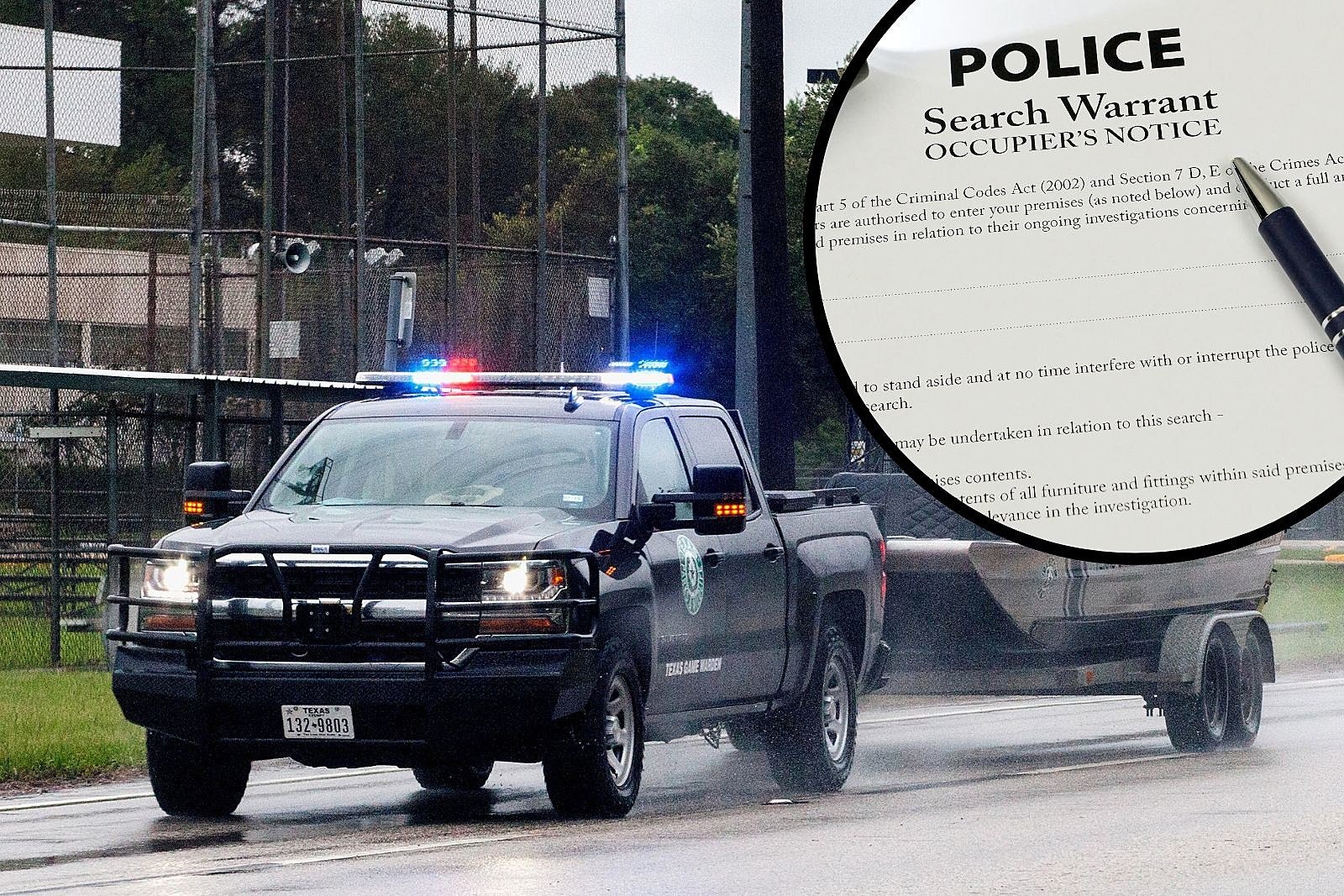
Game wardens generally need a warrant to enter private property, unless they have probable cause or consent.
The question, does a game warden need a warrant, often arises in conversations about hunting and fishing regulations. It’s a valid concern for anyone who enjoys the outdoors, as it touches on personal rights. Understanding the legal boundaries of a game warden’s authority can help you navigate situations safely.
Game wardens play a vital role in conservation and law enforcement. However, like other law enforcement personnel, they must operate within the bounds of the law. Knowing your rights and what a game warden can legally do is crucial for all citizens.

Does a Game Warden Need a Warrant? Understanding the Rules
The question of whether a game warden needs a warrant is a common one, and the answer, like many legal issues, isn’t always a simple yes or no. It depends on several factors, including what the game warden is trying to do and where they are trying to do it. Think of it like this: just like police officers have rules about when they need a warrant to search your house, game wardens also have their own set of rules. These rules are designed to protect your rights while also allowing game wardens to do their jobs effectively – which is to keep our wildlife safe and make sure everyone is following hunting and fishing laws.
What is a Game Warden, Anyway?
Before we dive into the warrant question, let’s talk about what a game warden actually does. Game wardens, also known as conservation officers or wildlife officers, are like the police for the outdoors. They’re the people who enforce laws related to hunting, fishing, trapping, and wildlife conservation. They patrol areas like forests, lakes, and rivers, making sure that people are following the rules.
Here are some of the things game wardens might do:
- Check licenses and permits of hunters and fishers.
- Inspect equipment like fishing rods and hunting gear.
- Investigate reports of illegal hunting or fishing activities.
- Enforce laws related to endangered species.
- Educate the public about wildlife conservation.
The Basic Rules of Warrants
To understand when a game warden might need a warrant, it’s important to grasp the basics of what a warrant is and why they’re important. A warrant is a legal document issued by a judge or magistrate that allows law enforcement to perform a certain action, usually searching a person’s property or arresting someone. The Fourth Amendment to the U.S. Constitution protects people from unreasonable searches and seizures. This means that, in most cases, law enforcement needs to have a warrant before they can search your property or arrest you. The warrant has to be based on “probable cause” that a crime has been committed, and it has to specify the place to be searched or the person to be arrested.
Think of it this way: a warrant is like a permission slip from a judge that says it’s okay for law enforcement to do certain things that would normally be considered an invasion of your privacy. This is why warrants are essential to protecting your rights. They provide a check and balance on the power of law enforcement.
When Game Wardens DO Need a Warrant
Okay, so when might a game warden need a warrant? Here are some of the main situations:
Searching Your Home
Just like police officers, game wardens generally need a warrant to search your private residence. Your home has the highest protection under the law. If a game warden suspects you’re keeping illegal wildlife trophies or storing illegal fishing gear inside your house, they can’t just walk in without a warrant signed by a judge. They need to go through the proper legal channels and convince a judge they have probable cause for a search of your home.
Searching Enclosed Areas on Your Property
The same protection extends to other enclosed areas on your property, such as garages, barns, or sheds that are not easily accessible to the public. These areas are considered part of your “curtilage,” which is the area immediately surrounding your home. For a game warden to search those areas, they typically need to obtain a warrant, similar to what is required to search your actual home.
Searches Based on Suspicions Only
If a game warden only has a suspicion, not probable cause, they generally cannot conduct searches requiring a warrant. They must have enough evidence to convince a judge there’s a good reason to believe a crime has been committed before the judge issues a warrant. Mere suspicion isn’t enough. They must have facts that create a legitimate reason to suspect a crime.
When Game Wardens Generally DON’T Need a Warrant
It might seem like game wardens always need a warrant, but there are many situations where they don’t. These are generally situations where people have less of an expectation of privacy or when there is an emergency. The courts understand that game wardens need to be able to act quickly to protect wildlife and enforce the law, which is why some of these exceptions exist.
Open Fields Doctrine
The “open fields doctrine” is a legal principle that says people don’t have a reasonable expectation of privacy in open fields or land that isn’t immediately connected to their house. This means a game warden can generally patrol and investigate activities in open fields, forests, and lakes without needing a warrant. They don’t need a warrant to walk on land that isn’t someone’s backyard or curtilage. The key is that the land is open and accessible and not an enclosed space immediately tied to a home.
Vehicle Stops and Inspections
Game wardens often stop vehicles for inspections in areas where hunting or fishing might be occurring. While a full vehicle search usually requires a warrant, game wardens are often allowed to conduct brief stops and checks for licenses, permits, and visible equipment. They can usually ask for you to show them your hunting or fishing license, inspect visible items like fishing rods, or look in the back of your truck for a visible game animal without a warrant. They may have to establish a reasonable suspicion before a full vehicle search, but the threshold is lower for a vehicle on public lands than for a private home.
Plain View
If a game warden observes something illegal in “plain view,” they generally do not need a warrant to take action. For example, if they see someone with an illegal deer out in the open, or they see illegal fishing equipment out in the open, they usually do not need a warrant to investigate or confiscate the evidence. They can act on what they see, just as a police officer can act on what they see in plain view during a legal traffic stop. This is a concept that applies across many areas of law enforcement.
Consent
If you give a game warden permission to search your property, they don’t need a warrant. Consent must be given voluntarily, though. A game warden cannot force you to give consent. If you don’t want them to search, you can decline. But if you say “yes, you can go ahead and look,” then the search is legally permitted, even without a warrant. It’s always better to know your rights before making this decision. It is important to understand that you are never required to consent to a search and you do not have to say “yes”.
Emergency Situations
In some emergency situations, game wardens may not need a warrant to enter a place or conduct a search if they believe they need to act immediately to protect life or to stop the destruction of crucial evidence. For example, if they hear screaming from someone that is injured out in the woods or they suspect someone is about to illegally destroy evidence of a wildlife crime, they might be able to act without a warrant. This is based on the idea that an emergency situation needs immediate action. These exceptions are based on an understanding that in some instances law enforcement must act quickly to preserve safety or justice.
State and Federal Laws: The Specifics
It’s essential to realize that wildlife law enforcement is governed by both state and federal laws. These laws can sometimes vary a bit, and that means the answer to our question may depend on where the activity is taking place. For instance, federal game wardens who work for agencies such as the U.S. Fish and Wildlife Service must follow federal laws and procedures. State game wardens, who are typically employed by state wildlife agencies, operate under the authority of state laws. Some states are more protective of individual rights, while some are less so, and this can sometimes lead to slight variations in the warrant requirements, although the Fourth Amendment’s basic protections are always in place.
Here’s a table that summarizes the general differences:
| Type of Warden | Governing Laws | Jurisdiction |
|---|---|---|
| State Game Warden | State Laws and Regulations | Within the boundaries of their specific state |
| Federal Game Warden | Federal Laws and Regulations | National parks, wildlife refuges, and other federal lands |
Keep in mind that the rules about warrants and what game wardens can do can be complex and subject to change. If you are ever uncertain about your rights, it is always a good idea to contact a lawyer or an organization that protects civil rights and individual liberties. This way, you are sure to know your rights when dealing with game wardens.
Importance of Knowing Your Rights
Knowing your rights when dealing with law enforcement, including game wardens, is crucial. Understanding the rules of when a warrant is required will help protect your privacy and ensure you’re treated fairly. While game wardens play an important role in protecting our natural resources, they have to obey the rules, too. The law requires them to respect citizen rights while they carry out their duties.
Here are some things to keep in mind:
- You have the right to remain silent if you are being questioned by a game warden. You don’t have to answer any questions you don’t want to.
- You have the right to refuse a search of your home or other enclosed private property without a warrant, unless there is a specific exception that applies, like an emergency.
- You have the right to record your interactions with game wardens, provided you do not impede their work.
- If you believe your rights have been violated, you have the right to seek legal representation.
Remember, knowledge is power. By knowing your rights and understanding the rules that govern game warden actions, you can protect yourself and contribute to a system of fair law enforcement in outdoor spaces.
In summary, while game wardens are important for our ecosystem and conservation efforts, they are also required to respect individuals’ rights, including protections against unlawful search. Understanding the nuances of warrant requirements for game wardens is a key component of protecting your rights while engaging in outdoor activities. This is not just about the legal specifics, but also about the bigger picture of how we interact with our natural spaces and the individuals who are tasked to protect them.
How much power does a game warden have? #podcast #gamewarden #lawenforcement
Final Thoughts
Game wardens, like other law enforcement, often need warrants for searches. However, specific circumstances like plain view or probable cause can allow exceptions. They must respect Fourth Amendment rights concerning unreasonable searches.
The necessity for a warrant depends heavily on the situation. They need one for private property searches typically. Therefore, does a game warden need a warrant? It’s a complex issue with no simple answer.

