
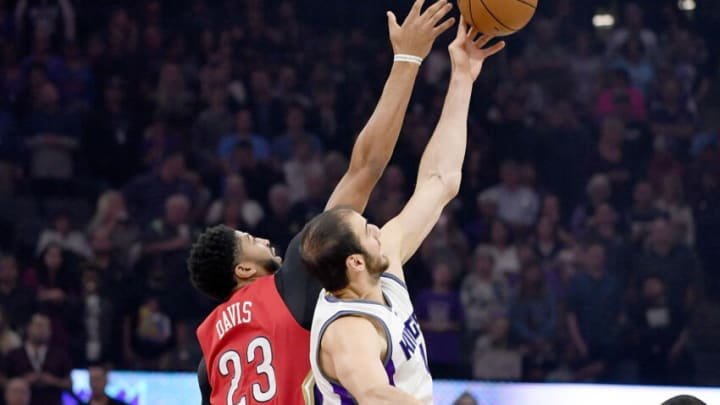
There are four quarters in an NBA game.
Ever wondered about the structure of a professional basketball match? Specifically, how many quarters in an NBA game are there? Knowing the basic game structure is essential for any fan.
Understanding the time divisions helps in following the flow of the game. It also lets you anticipate strategic plays and critical moments. So, let’s dive right in to answer this.

How Many Quarters in an NBA Game?
Okay, basketball fans, let’s dive into the heart of an NBA game – the quarters! We all know those buzzer-beating shots and nail-biting finishes, but how do these games actually unfold in terms of time? It all comes down to the structure of quarters, and it’s important for any fan, young or old, to understand how these four periods shape the action. Let’s explore this topic together and understand not only the number of quarters but also other essential aspects about this core timing in basketball.
The Standard Four Quarters
In the National Basketball Association (NBA), a regular game is divided into four equal periods, or “quarters.” This is the standard across the league, and it’s consistent for every regular season game. No matter which teams are playing, or where they are playing, they will always play four quarters. Each quarter is 12 minutes long.
Total Game Time (Without Stops)
When you add up the 12 minutes of each quarter, you get a total of 48 minutes of playing time. Keep in mind, this is the actual time the clock is running when the ball is in play. Remember, the clock stops during fouls, timeouts, and out-of-bounds plays, therefore the actual time spent watching the game will be significantly longer than 48 minutes.
What is the Purpose of these Quarters?
The division of the game into quarters is done for a variety of important reasons. Let’s explore some of these:
- Strategy and Adjustments: Quarters provide coaches the opportunity to make strategic adjustments based on the game’s flow. After each quarter, coaches can regroup with their players, re-evaluate opponents, and change playing styles if needed.
- Player Rest: The breaks between quarters give players a chance to rest and recover. The game is fast-paced and strenuous. Players need these periods to recharge their energy, preventing exhaustion during the later phases of the game.
- Television Broadcasts: For broadcasting, quarters allow a natural stopping point for TV commercials. This makes it easier for television networks to fit games into their schedules. It also brings revenue to both the networks and the league.
- Game Flow: These breaks provide a way for the flow of the game to be segmented. This keeps both the players and the audiences engaged with the game, without experiencing continuous action for an extended period.
How Quarter Length Compares with Other Leagues
While the NBA utilizes 12-minute quarters, the length of a period varies in other levels of basketball. It’s good to know how NBA differs from other major basketball organizations. Understanding these differences gives us a complete picture of basketball timelines.
FIBA Basketball (International)
In international competitions governed by FIBA (Fédération Internationale de Basketball), including the Olympics and the FIBA World Cup, each quarter is 10 minutes long. This gives us a total of 40 minutes of playing time in a game. This can sometimes lead to a faster paced game because of shorter playing time.
Key Differences between NBA and FIBA
Below is a simple table to highlight the main differences in quarter lengths:
| League | Quarter Length | Total Playing Time |
|---|---|---|
| NBA | 12 minutes | 48 minutes |
| FIBA | 10 minutes | 40 minutes |
High School Basketball
In most high school basketball games in the United States, quarters are only 8 minutes long. This helps younger players with less stamina manage the intensity of a full game. Total game time is just 32 minutes before counting the stoppages.
College Basketball
College basketball games don’t use quarters, but instead use two halves. Each half is 20 minutes long, totaling 40 minutes of playing time. The game is divided into two parts but it is still different than the NBA and FIBA formats.
WNBA
The Women’s National Basketball Association (WNBA) also uses four quarters with 10-minute quarter lengths, totaling 40 minutes of gameplay, similar to FIBA rules.
Extra Time: Overtime
Sometimes, at the end of the four quarters, the game is tied. When this happens, an additional period called “overtime” is required to decide the winner.
Overtime Period
In the NBA, overtime periods are 5 minutes long. There is no set limit for the number of overtime periods needed to decide a game. As many overtime periods are needed to produce a final winner.
How Many Overtime Periods Can There Be?
Theoretically, there could be a large number of overtime periods in a single game. This happens rarely, but in close games, there can be two, three, or even more overtime periods. Games with multiple overtimes can be very exciting, but they also take a lot of energy from players.
Why is Overtime Important?
- Determining a Winner: Overtime is essential for every single game to ultimately have a winning team.
- Increased Excitement: Extra periods of play can produce some of the most dramatic moments in basketball, leaving fans at the edge of their seats.
- Testing Player Stamina: Overtime tests the physical limits of players, demanding they push through tiredness to compete for victory.
Timeouts and Breaks
While we know about the four quarters, the breaks in between are also a big part of the game. Here, we take a look at the timeouts and breaks that also contribute to the game experience.
Timeouts
During a game, each team is given a specific number of timeouts. These timeouts are a short period of rest and strategy. Coaches use them to talk to their team, plan their next move, and also to stop the momentum of the opposing team. In the NBA, teams have a set number of full timeouts and short timeouts per game.
Between Quarter Breaks
- Intermission: There is a short break in between the first and second quarters and the third and fourth quarters, so players can rest before the next period. These breaks are generally brief, lasting a couple of minutes.
- Halftime: The most significant break is the halftime break. This occurs after the second quarter and lasts around 15 minutes. During this time, players rest, coaches can make more extensive plans, and the crowd is entertained.
How These Breaks Affect the Game
- Regain Energy: Breaks allow players to catch their breath and prepare for the next period, they also allow teams to assess the game and make adjustments.
- Strategic Decisions: Coaches use timeouts and halftimes to make strategic changes, giving their team the best chance to win.
- Momentum Changes: A well-timed timeout can stop an opposing team from gaining momentum and help the team gain an advantage.
How Time is Managed During Games
The official game clock is a critical component of any basketball game, tracking the progress of each quarter. It controls the start and stop of play, maintaining the integrity of the time structure. The clock management is done by an experienced group of staff to keep the game fair.
Official Timekeeping
During play, the game clock is started when the ball is legally put into play. The clock stops when there is a foul, the ball goes out of bounds, or there is a timeout. These stoppages ensure that all players are getting the complete time and fair game.
The Shot Clock
In addition to the main game clock, there is a shot clock. In the NBA, a team has 24 seconds to attempt a shot after they get possession of the ball. If the team does not shoot within the given time, they lose possession of the ball. This promotes a fast paced game that is exciting for fans to watch.
How Timeouts are Managed
Each team must use their allotted number of timeouts carefully. Because of limited timeouts, a coach has to plan and strategically plan how and when to call a timeout. The proper use of timeouts can be a huge determining factor of the final result.
Quarters and the Fan Experience
Understanding the structure of an NBA game into quarters helps fans to appreciate the game better. Knowing the game format also helps fans plan their time watching basketball. Whether at home or in the stadium, quarters shape the excitement and flow of the entire game.
Planning Game Day
When you’re attending an NBA game, understanding the four quarters helps you plan your arrival and breaks. Knowing the halftime break allows you to get food, use the restroom, and buy merchandise, without missing any important part of the game.
Understanding Game Strategy
For the fans who watch the game, understanding the quarters allows them to evaluate the coach’s strategies. Watching how coaches adapt during each quarter and halftime allows fans to have a deeper insight into the game.
Engaging More Deeply
By understanding the format of the game, fans can engage with basketball on a deeper level. Knowing the time structure makes watching every game more interesting and educational.
The Importance of Time in the NBA
Time is one of the most important aspects of the game in the NBA. From the length of the quarters to the management of the clock, all contribute to the thrilling nature of every match. Without a clearly structured time format, the game will be chaotic and unfair.
Fair Play
With strict rules on game time, every team plays with fairness and equal opportunity to win. Everyone follows the same rules, allowing fans to enjoy the game knowing the results are all fair.
Game Flow
Quarters allow the game to have a natural flow. It gives the game structure and keeps both the audience and players engaged. These breaks, like the timeouts and halftimes, are essential for both strategies and overall game excitement.
Player Health
The division of the game into quarters is vital for the health of the players. This allows players to pace themselves throughout the match. Without these breaks, the games would be much more difficult for players, and they would be more susceptible to injuries.
In conclusion, the concept of how many quarters in an NBA game is not just a simple matter of counting to four. Instead, it is a fundamental part of what makes the game both strategically deep and exciting for fans. It is a vital component of the game structure, directly influencing how players strategize and fans enjoy the game. With each quarter, coaches re-assess the game, players rest, and the excitement continues to build. These four periods of 12 minutes each, along with the crucial breaks in between, are all essential for a professional basketball match in the NBA. Knowing the details about the time of the game allows any viewer to fully engage with the match.
How Long Are Quarters in an NBA Game? – The Basketball Xpert
Final Thoughts
An NBA game consists of four quarters. Each quarter runs for 12 minutes of playing time. Therefore, knowing how many quarters in an nba game is crucial for following the game’s progression and structure.
These four quarters of action define a typical NBA match. Teams compete throughout these segments to score points. This simple division creates the game’s core format.
In short, a basketball game has four quarters, which is important for any fan to remember. Knowing how many quarters in an nba game allows anyone to follow along with the game easily.

