
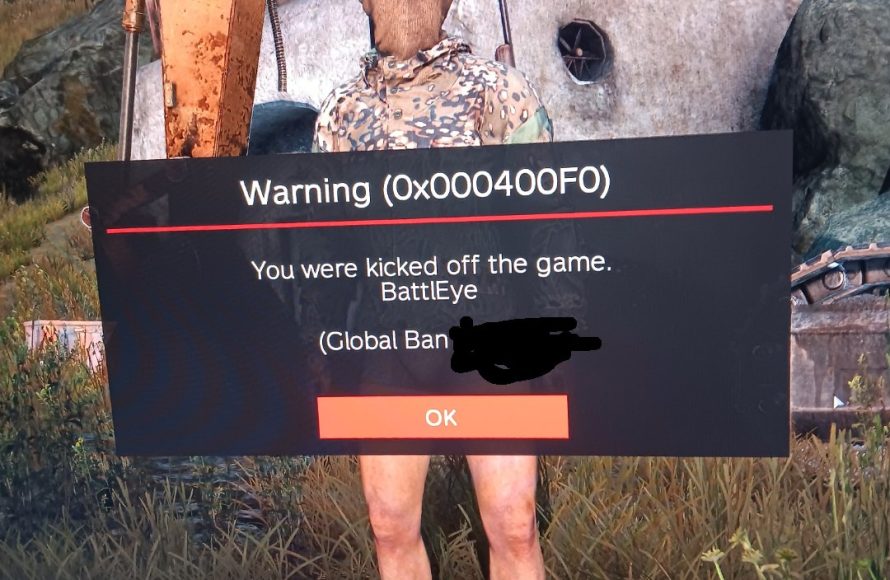
No, BattlEye does not ban across games. Bans are specific to the individual game where the violation occurred.
Have you ever wondered if getting banned in one game using BattlEye will affect your account in another? It’s a common concern for players of multiple titles that utilize this anti-cheat software. The fear of a cascading ban, where your actions in one game lead to repercussions elsewhere, is understandable.
Many players get confused about how these systems work. They often worry if a mistake in one game could jeopardize their account in all games using BattlEye. So, the central question remains: does battleye ban across games? Let’s explore this and clarify how this anti-cheat system really operates.

Does BattlEye Ban Across Games?
Okay, let’s talk about BattlEye. You probably know it as that thing that kicks cheaters out of your favorite online games. But a big question a lot of gamers have is, “If I get banned in one game using BattlEye, does that mean I’m banned from all games that use it?” It’s a scary thought, right? The answer isn’t super simple, but let’s break it down so it’s easy to understand.
Understanding How BattlEye Works
To really understand if a ban transfers across games, we first need a basic grasp of what BattlEye actually does. Think of it like a super watchful security guard for video games. Its main job is to stop people from cheating. It does this by constantly looking at what’s happening in the game and on your computer. It’s always watching for things that might be used to gain an unfair advantage, such as hacked files or tools.
The Core Functionality of BattlEye
BattlEye isn’t just a simple program; it’s quite intricate. It operates at a very low level on your computer, meaning it can see a lot of what’s going on. Here are some key things it does:
- Memory Scanning: BattlEye checks the game’s memory to look for changes that shouldn’t be there. Cheats often work by changing a game’s code while it’s running, and this is how BattlEye detects them.
- Code Verification: It makes sure the game’s files haven’t been changed. When someone tries to cheat by replacing game files with modified ones, BattlEye will flag this.
- Behavior Analysis: BattlEye also looks at your in-game behavior. If you are doing things that are humanly impossible (like shooting with perfect accuracy every time), it might raise suspicion.
Client-Side and Server-Side Aspects
BattlEye operates on both your computer (client-side) and the game’s servers (server-side). The client-side part is the software that’s installed with the game and runs on your machine. This is the part that does most of the direct monitoring. The server-side part is what the game company uses to manage bans and other security measures. When the client-side detects something bad, it reports to the server, and then the server can decide what action to take.
This client-server setup is crucial because it prevents players from tampering with the anti-cheat system itself. It also means the game developers have an overview of what is happening and can enforce their rules.
The Myth of the Global BattlEye Ban
Now, let’s address the big question head-on: Is there a giant “BattlEye ban” that covers all games? The good news is, generally, no, there isn’t. A ban in one game using BattlEye usually does not mean you’re banned in other games using it. Each game that uses BattlEye is, for the most part, managed independently. The bans are usually issued by the game developers of each specific game, not by BattlEye itself as a central authority. Imagine it like different schools each having their own set of rules, while all using the same security system.
Why Each Game Is Usually Separate
Here’s why the ban usually stays within the game where the violation happened:
- Different Game Rules: Every game has its own set of rules and ways of defining what cheating is. What might be considered cheating in one game could be perfectly fine in another.
- Developer Control: The game developers have the final say on who gets banned. BattlEye only provides the data and tools, but the developers decide what action to take.
- Ban Database: The ban databases are usually specific to each game. Each game company keeps a record of banned players separately.
When Bans Might Cross Over
While it’s rare, there are situations where a ban could potentially impact other games, or your ability to play online in general. These situations are less common, but it’s important to know about them:
Hardware Bans and Shared IP Addresses
While not a direct BattlEye system ban across all games, these can make it appear that bans are spreading. Let’s dig into this a bit more.
- Hardware Bans: Some game companies, not always connected with BattlEye, have a system where they ban not just an account, but a specific computer. This is based on the hardware identifiers. It is a serious thing because it means you cannot play on that device regardless of what account you are using. If your computer is hardware banned in one game, and you try to play another game that uses the same system, it may also block you. These types of bans aren’t directly caused by BattlEye but are related to the information the anti-cheat systems can collect.
- IP Bans: Very rarely, a game company might ban an IP address. This can happen if there are severe cases of cheating coming from a specific network. If multiple games use the same ban system and an IP is banned on one game, it could impact your ability to play other games that also use that system. This kind of ban is more about your internet connection, not your account. For instance, a public wifi in an internet cafe.
Game Company Cross-Game Policies
Some game companies own multiple games. If you get caught cheating in one of their games, they may choose to ban you from all of them. This is not due to BattlEye itself, but because that specific game company has a policy that spans across their entire game collection. It’s like a store that has multiple branches, and if you’re caught stealing at one, they might ban you from all of them.
Extreme Cases of Cheating
In very extreme cases of widespread cheating, game companies might share their ban lists with other game companies, especially if they’re owned by the same parent organization. This is to prevent known cheaters from moving to new games and ruining the experience for other players. These scenarios are rare and are usually reserved for very bad cheaters.
The Consequences of a BattlEye Ban
Let’s talk about what actually happens when you get banned by BattlEye in a specific game. It usually means you can no longer play that game online, with that account. This is a serious thing, and it impacts a lot. There are no second chances.
What to Expect from a BattlEye Ban
- Account Suspension: The most common thing that happens is that your account is suspended or permanently banned from that specific game. This usually means you lose access to the game and any content you purchased with that account.
- Loss of Progress: All your game progress, levels, and in-game items may be lost, you will have to start from the beginning, if you are able to play, with another account.
- Impact on Community: Cheating can ruin the experience for other players, so game companies are usually very serious about enforcing bans. It helps keep games fun and fair for everyone.
- Potential for Appeal: Some game developers offer an appeal process. This typically involves submitting a ticket explaining the situation. However, getting a ban overturned is very rare, you will have to prove you are innocent.
How to Avoid a BattlEye Ban
The best way to avoid getting banned by BattlEye is simple: don’t cheat. Play the game fairly, and follow the game’s rules. If you aren’t sure if something is allowed, it’s always better to ask the game’s support team or check official forums. Here’s a basic list of common actions that can lead to a ban:
- Using Cheat Software: This includes using aimbots, wallhacks, or any other software that gives an unfair advantage.
- Modifying Game Files: Changing the game’s files is usually a big no-no and can easily be detected by BattlEye.
- Exploiting Bugs: Using glitches or bugs in the game to get an unfair advantage is also a violation of the rules.
- Harassment: While not directly related to cheating, harassment or toxic behavior might lead to a ban and that can also be linked to a cheat detection by anti cheat softwares.
- Buying or Selling Game Items/Accounts: Some game companies have rules against this, and it can result in account bans.
BattlEye and You: Key Takeaways
BattlEye is a tool game developers use to try to keep online games fair, and its goal is to try and stop cheaters. Here are a few essential things to remember:
- Bans are usually game-specific and not applied across all games that use BattlEye.
- Hardware or IP bans, while rare, can impact your ability to play multiple games.
- Game companies have the final say over bans.
- The best way to avoid a ban is to not cheat.
Understanding how BattlEye works and what the consequences of cheating are will help you keep your gaming experience fun, and fair for yourself and everyone else.
So, to summarize, while BattlEye is a powerful anti-cheat tool, it doesn’t operate like a single global police force. Each game mostly manages its own bans independently. However, some scenarios, like hardware bans or company-wide policies, could lead to bans in more than one game. The most important thing to remember is: if you play fairly, you have nothing to worry about.
Why Battleye Is The Golden Anti-Cheat (Explained)
Final Thoughts
BattlEye bans typically do not carry over between different games. Each game using BattlEye maintains its own separate ban list. A ban in one title will generally not impact your ability to play another.
Therefore, the answer to “does battleye ban across games” is usually no. Different publishers manage their games’ anti-cheat policies individually. You could face a ban on game A but remain able to play game B.

