
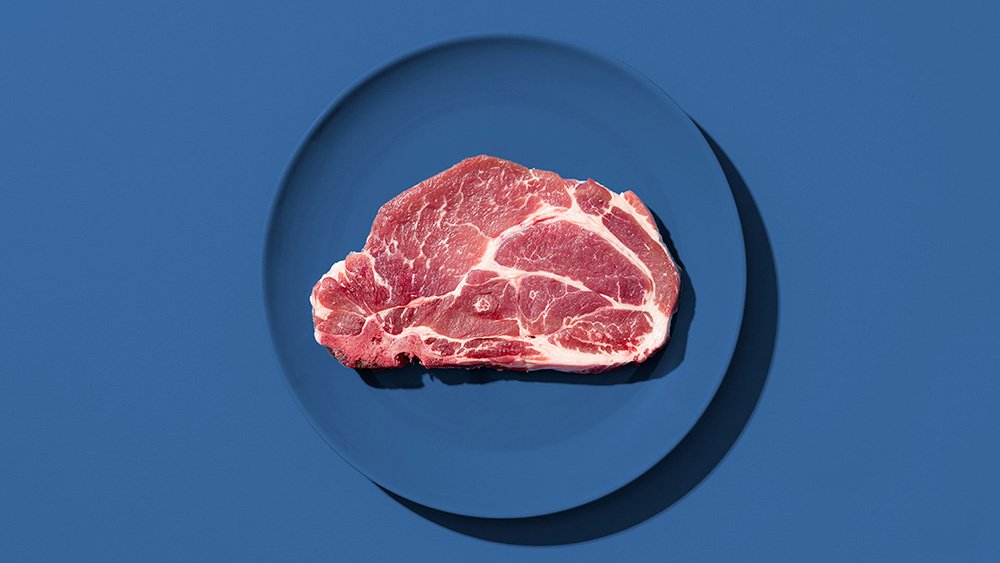
The effect of game meat is not the same as red meat due to its leaner composition and different nutritional profile, potentially offering health advantages.
The question of whether does game meat same effect as red meat is a common one for those exploring healthier food choices. We often hear about the potential risks associated with red meat consumption and wonder if game meats present a comparable situation.
This article aims to clarify the key differences in nutritional value and how these may impact your health, compared to conventional beef, lamb or pork. We will look closely at the composition to help you make informed dietary decisions.

Does Game Meat Have the Same Effect as Red Meat?
That’s a really interesting question, isn’t it? When we talk about red meat, we often think of beef, lamb, or pork. But what about game meat, like deer, elk, or wild boar? Do they have the same impact on our bodies? The short answer is: it’s complicated. While both are sources of protein and other nutrients, there are some pretty significant differences that can affect how they impact our health. Let’s dive in and explore the details.
What Exactly is Game Meat?
First, let’s make sure we’re all on the same page about what game meat actually is. Game meat comes from animals that are not domesticated, meaning they live in the wild and are hunted for food. This includes animals like:
- Deer (venison)
- Elk
- Moose
- Wild boar
- Rabbit
- Pheasant
- Duck
- Quail
These animals have very different lifestyles and diets than the cows, pigs, and sheep that typically produce red meat we get from grocery stores.
The Fat Factor: A Key Difference
One of the biggest differences between game meat and traditional red meat is the amount and type of fat they contain. Here’s a simple breakdown:
Fat Content
- Traditional Red Meat: Often has higher levels of fat, especially saturated fat. Think of the marbling (those white streaks of fat) in a steak.
- Game Meat: Typically much leaner. Wild animals spend their days moving and foraging, which means they don’t build up as much fat.
Types of Fat
It’s not just about how much fat, but the kind of fat too.
- Saturated Fat: Too much saturated fat can raise your bad cholesterol (LDL) levels, which isn’t good for your heart. Traditional red meat tends to have a greater amount of saturated fat.
- Unsaturated Fat: Game meat usually has more unsaturated fat, like omega-3 fatty acids. These types of fats are considered good for our health.
Think of it this way: a cow in a pasture might be less active and have more access to grain. A deer in the forest is constantly moving and eating plants, making its fat profile quite different.
Protein Powerhouse
Both game meat and red meat are excellent sources of protein. Protein is super important for building and repairing our muscles, keeping our immune system strong, and making hormones. But there are still some important things to consider:
Quality of Protein
Both types provide all nine of the essential amino acids that our body cannot make on its own. That makes both game meat and red meat complete protein sources.
Quantity of Protein
The amount of protein per serving can vary slightly depending on the animal and the cut of meat. Generally, you will find a similar amount of protein in equal portions of game meat and red meat.
Vitamins and Minerals: The Micronutrient Mix
It’s not just about protein and fat; game meat and red meat also pack a variety of vitamins and minerals. Here’s how they compare:
Iron
Both are excellent sources of iron, which is important for carrying oxygen in your blood and preventing tiredness. But again, there’s a slight difference. Iron from meat is called heme iron, which our bodies absorb much better than the non-heme iron found in plant-based foods. Game meat tends to be very rich in heme iron due to the high level of activity of the animals.
B Vitamins
Both contain several B vitamins, which are necessary for energy production, nerve function and other vital functions. These include B12, niacin, and riboflavin. These vitamins are typically found in good quantities in both red and game meat.
Zinc
Zinc is important for immune function and wound healing. Both game meat and red meat provide zinc but, similar to iron, game meat can contain more.
Other Nutrients
Game meat can sometimes have slightly higher levels of other nutrients like selenium, which is an antioxidant. The exact nutritional profile can be different depending on the species and even where the animal lived, but generally, both game meat and red meat offer a lot of the same vitamins and minerals.
The Cholesterol Question
We often hear about cholesterol in meat, but it’s another area where game meat and red meat can differ:
Cholesterol Levels
While both have cholesterol, the amount in game meat tends to be lower than in fattier cuts of traditional red meat. So, if you’re watching your cholesterol, leaner game meat can be a good option.
How Diet Impacts Cholesterol
It’s also worth remembering that the cholesterol in food has less of an impact on blood cholesterol for most people than saturated and trans fats do. But, if your doctor has specifically told you to limit dietary cholesterol, choosing leaner options like game meat can be helpful.
Environmental Factors and Animal Welfare
Beyond nutrition, there are other important things to think about:
Environmental Impact
The way we raise traditional livestock like cows can have a significant impact on the environment. Factory farming can contribute to deforestation, greenhouse gas emissions, and water pollution. Game meat, when sourced responsibly, can be a more sustainable option, as it’s naturally part of the ecosystem, and helps manage animal populations.
Animal Welfare
Another thing to consider is animal welfare. Wild game animals live free lives, moving and behaving naturally. This differs significantly from many farm-raised animals that live in confined spaces. If animal welfare is important to you, game meat is an ethical choice.
Processing and Preparation: How it Affects the Meat
Additives
Traditional red meat that you buy in the store is often processed in some way. This can involve adding preservatives, nitrates, and other additives that might not be so great for our bodies in large amounts. Game meat is less processed, which is a definite benefit.
Cooking Methods
How you cook your meat can affect its healthiness. Grilling, roasting, or broiling are generally better than frying, as these help reduce the amount of added fats. Whether you are preparing game meat or red meat, choosing the right cooking method is important.
Seasoning
Seasoning is important! Too much salt can be harmful. Opt for herbs and spices to make your food taste good and help you avoid adding excess salt to your meals.
Potential Health Benefits
Now, let’s look at potential health benefits, keeping in mind that neither game meat nor red meat is a magical cure-all.
Heart Health
Due to its lower saturated fat content and higher levels of omega-3 fatty acids, some studies suggest game meat may be better for heart health than traditional red meat. That doesn’t mean you should eat unlimited game meat, but it does suggest it might be a smart option if you have a heart condition. It’s always a good idea to discuss any dietary choices with your doctor, of course.
Weight Management
Since game meat tends to be leaner, it can be helpful if you’re trying to maintain a healthy weight. Lower fat means fewer calories, while it still packs the protein punch you need to feel full.
Overall Nutritional Profile
Game meat is packed with important nutrients, which makes it a very good choice overall. Remember that what you pair your meat with is very important as well. Having some healthy vegetables with your venison or your beef can make a real difference to the overall meal you are preparing.
Potential Risks
It’s also important to talk about potential risks, so you have the full picture:
Contamination
Game meat has a greater risk of contamination if not handled correctly. You need to make sure you’re getting your game meat from a reliable source or are following food safety guidelines very closely if you are harvesting it yourself. It’s critical to make sure you cook game meat properly to avoid foodborne illnesses.
Lead Ammunition
Sometimes, lead ammunition is used to hunt game animals, and tiny fragments of lead can end up in the meat. This is why it is critical to get your meat from reputable sources. If you are hunting yourself, using lead-free alternatives is a good idea if available.
Availability and Cost
Game meat can be much more difficult to find and typically more expensive than regular red meat, particularly in certain parts of the country. For many people, it may not be a practical option.
Making the Right Choice for You
So, does game meat have the same effect as red meat? The answer, as we’ve discussed, is nuanced. Game meat tends to be leaner, with a better fat profile and similar amounts of protein and vital vitamins and minerals. It also has potential environmental and ethical benefits. However, it also presents some challenges, such as the risk of contamination, cost, and accessibility. In summary, here are the key factors to consider:
- Fat Content: Game meat generally has less saturated fat.
- Protein: Both offer excellent sources of complete protein.
- Vitamins and Minerals: Both are good sources of iron, B vitamins, and zinc.
- Environmental Impact: Game meat can be more sustainable.
- Animal Welfare: Wild game animals have more natural lives.
- Potential Risks: Consider lead contamination and sourcing.
Ultimately, the best choice for you depends on your personal preferences, health goals, budget, and access. If you are trying to reduce your saturated fat, increase your omega-3s, or are concerned about the environmental impact of your food, game meat could be a great addition to your diet when accessible. As with any major dietary shift, it’s best to discuss this with a healthcare professional or a registered dietitian who can help you make the right choices for your own specific needs.
Considering all these points will help you make informed decisions about the meat you eat and its effect on your body and the world around you.
The BEST TASTE of Game Meat – TENDERLOIN
Final Thoughts
Game meat, while leaner, still contains heme iron. This means it may share some health impacts with red meat. However, specific effects vary based on animal and preparation.
Considering these differences, does game meat same effect as red meat is a complex question. More research is needed to fully understand game meat’s long-term health implications.

