
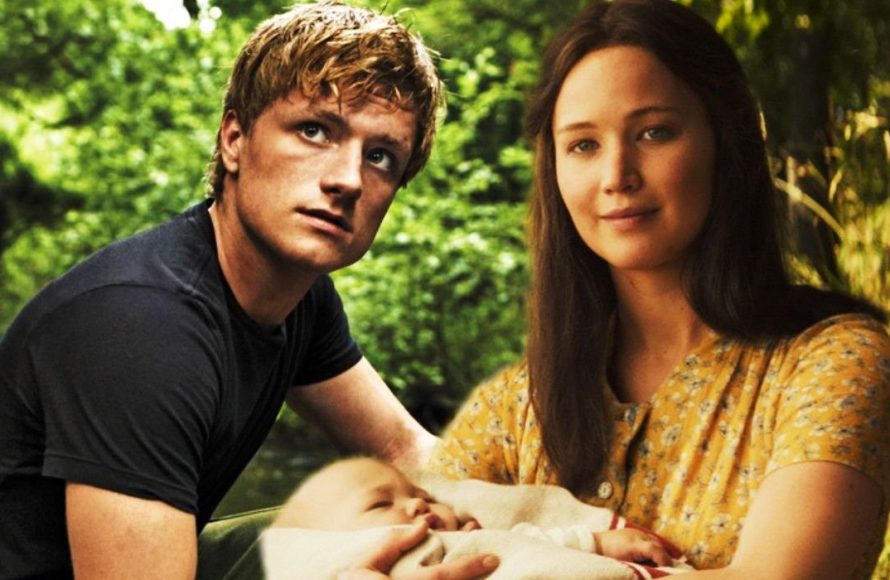
The Hunger Games does not have a straightforward happy ending; it concludes with a sense of hope and rebuilding, acknowledging the deep scars of trauma.
Does the hunger games have a happy ending? It’s a question that lingers long after the credits roll. The series definitely offers a complex conclusion.
Katniss and Peeta survive, and they begin a life together, but the weight of the rebellion and the games continues to affect them. A truly ‘happy ending’ feels out of reach for these characters.
The story offers a glimmer of peace amidst the ashes of war. It highlights that even after a hard-won battle, true healing requires time and acceptance.

Does the Hunger Games Have a Happy Ending?
The question of whether The Hunger Games has a truly happy ending is one that sparks a lot of debate among fans. It’s not a simple yes or no. We see a world forever changed, but is that change good enough? Let’s dive deep into the complex conclusion of this popular series to figure out if Katniss Everdeen and the citizens of Panem get their happily ever after.
The Weight of Trauma: Katniss’s Scars
One of the biggest reasons why the ending feels bittersweet instead of purely joyous is the heavy trauma Katniss carries. She’s a survivor, but the Games and the rebellion have left lasting scars. She has witnessed so much death and destruction, which affects her emotionally and mentally. Think about everything she’s been through:
Fighting for survival in two Hunger Games.
Losing Rue, a little girl she promised to protect.
The death of Finnick, a close ally.
Her sister, Prim’s, shocking death.
The political manipulations she has endured.
All these events have profoundly impacted her. She struggles to connect with people normally and suffers from nightmares and flashbacks. Even though she is safe, the weight of these experiences doesn’t just disappear. Her struggle to cope makes us question if she will ever find true peace. She deals with her trauma in a way that makes you sympathize with her and wonder how she will move forward. This also makes us ponder the long-term effects of war and violence on individuals, a theme that’s pretty important in the books. Her journey showcases that even after the war, the scars remain. It makes us think about how difficult it is for the survivors of conflict and injustice to rebuild their lives after everything they’ve seen.
Peeta’s Struggle: Recovering from Hijacking
Peeta Mellark, Katniss’s partner, also has significant hurdles to overcome. He is captured by the Capitol and brutally “hijacked,” meaning his memories and feelings are twisted and warped to make him hate Katniss. He goes from a sweet, gentle baker’s son to a dangerous weapon. This hijacking process is incredibly disturbing and leaves Peeta in a very fragile state.
Even after the war, Peeta has to fight his own internal battle. He has memories that aren’t real, and his mind often confuses reality with the false memories implanted by the Capitol. He struggles with his feelings toward Katniss, sometimes feeling love, and other times hate. His journey to find stability is hard work. It shows us how cruel the Capitol can be, and how deeply they are willing to go to destroy individuals. It makes us appreciate how complicated healing from such deep psychological damage can be. The fact that he has this ongoing struggle further complicates the idea of a “happy ending.”
The State of Panem: Is Peace Possible?
After the rebellion, Panem undergoes some huge changes. The Hunger Games are abolished for good, and the cruel system that allows the Capitol to oppress the districts comes to an end. We see the old President Snow executed and a new government put in place. However, even with a new government, it’s clear the road to real peace and equality is going to be long and difficult. The districts are in ruins and the citizens are deeply distrustful after years of abuse.
Here are some challenges Panem faces after the war:
Rebuilding damaged infrastructure like schools, hospitals, and homes.
Reconciling the deep-seated mistrust between districts and the Capitol.
Establishing a fair and equal political system.
Helping all the traumatized people recover.
These are serious challenges that require time and effort. It’s not enough to simply get rid of the Hunger Games. They also need to rebuild their society. The books leave us with the knowledge that true peace is not something that comes easily. It takes time, it requires work, and there’s going to be some struggle along the way. The idea of a “happy ending” is called into question, as there are still plenty of hurdles to face. It emphasizes that societal change is a process, not just an event.
The Next Generation: Hope for the Future
Even though things are hard, there are moments of hope in the books’ ending. We see Katniss and Peeta having children. This symbolizes that even though they carry the scars of war and injustice, they are choosing to build a future.
These kids represent hope, not just for Katniss and Peeta, but also for Panem as a whole. They are born into a world without the Hunger Games. They’ll have the chance to live more peaceful lives. It’s not a perfect world, but it’s one where things could get better for their children. This is a key aspect of the book series’ ending, since it isn’t all doom and gloom, there is some amount of hope and optimism for the future.
Love and Relationships: Finding Solace
Katniss’s relationship with Peeta also plays a key role in the ending. Even though they’ve been through terrible things, their connection remains. They find a way to heal together. Their relationship is not just some romantic story. It’s a symbol of survival, resilience, and the power of human connection. They work together to face their trauma. It’s slow, and not easy, but they are there for each other. They lean on each other for strength. This is key to the ending, because it shows how important love and connection are for coping with difficult times. It shows that while the scars may remain, healing is possible with love.
A Realistic Ending: Not a Fairytale
It’s important to recognize that The Hunger Games doesn’t give us a fairytale ending. Katniss and Peeta do not live in a perfect world. The ending shows us the complex realities that come with trauma, loss, and war. It highlights that even when fighting for a better world, there are lasting effects and difficult challenges. This is part of what makes The Hunger Games a powerful story. It isn’t afraid to show us the harsh reality that violence and conflict leave behind. The fact that the ending isn’t tied with a neat bow makes it feel true to real life.
The ending prompts us to think about:
The long-term effects of war and trauma.
The difficulty of rebuilding a society after widespread destruction.
The importance of hope and human connection.
The idea that true change is not easy, but is possible.
A Closer Look at Katniss’s Choices
Katniss makes some pretty significant choices throughout the series. In the end, she decides not to kill President Coin, the leader of the rebellion. Instead, she kills President Snow. This action shows that she won’t be part of creating another corrupt power structure. This also highlights her integrity and shows she’s not driven by power. She is driven by doing what is right. It’s a difficult decision for her, and we see how deeply it affects her.
Here’s why Katniss’s actions matter:
They emphasize that even those who fight for good can be corrupt.
They highlight the importance of questioning those in charge.
They reinforce Katniss’s role as a rebel who won’t be controlled.
Her choices emphasize the complex nature of justice and morality. It makes us think about what true change actually means. She shows that she will not let herself be controlled or manipulated by those who seek power.
The Epilogue: A Glimpse into the Future
The epilogue gives us a short look into Katniss’s future with Peeta. We see that they have kids. She still feels the pain of losing her family and friends, but she is finding a way to live with it. She doesn’t forget the past. She learns to carry it with her. She doesn’t try to ignore what happened, but she uses the past to make sure it doesn’t repeat. We also see her trying to teach her kids about the world, both the good and the bad. This shows us that even after everything she’s been through, she is moving forward. The fact that she is creating a life with her family speaks volumes of her growth.
Thematic Significance of the Ending
The conclusion of The Hunger Games isn’t just about the plot. It is packed with themes that resonate with readers. These themes include:
The dangers of totalitarianism
The importance of resistance
The strength of hope
The lasting impact of war and violence
The importance of love and human connection
The resilience of the human spirit
All these themes work together to make the ending more powerful. The fact that the book doesn’t deliver a simple happy ending, but instead a bittersweet one, enhances the story. It allows the themes to really shine. It is a good reminder that real life isn’t like a fairytale, but that doesn’t mean we can’t have hope.
Realism Versus a ‘Happily Ever After’
Ultimately, The Hunger Games provides an ending that feels far more realistic than most typical young adult fiction. It doesn’t wrap up every loose end with a perfect bow. It shows us a world that’s recovering. It shows people trying to rebuild their lives. It’s about the challenges of healing and moving forward. It’s not a completely “happy” ending in the traditional sense. It’s an honest one. It explores the complexities of war and its aftermath. The books invite the reader to think about the true cost of rebellion. The ending reflects the complexities of real life, with a mix of hope, sadness, and the determination to carry on.
The ending is complex because it touches on both the triumphs and the tragedies of the characters. The end doesn’t try to sugar coat any of that. The ending doesn’t shy away from the fact that even after winning, real pain and challenges remain.
In Conclusion
The ending of The Hunger Games isn’t a simple “happily ever after,” but rather a realistic portrayal of the aftermath of war and oppression. It highlights the scars of trauma, the difficulties of rebuilding a society, and the importance of hope and human connection. While not a traditional happy ending, it leaves us with a powerful message about resilience and the potential for a better future. It acknowledges that while change is possible, healing takes time and the scars of the past are carried forward.
I NOTICED THIS AFTER WATCHING THE HUNGER GAMES THE BALLAD OF SONGBIRDS AND SNAKES
Final Thoughts
Ultimately, the Hunger Games offers a bittersweet conclusion. Katniss and Peeta survive, but their experiences leave deep scars. They find peace, yet it’s a fragile one.
The war ends, and a new government begins. It is not a picture-perfect fairytale ending; the price for freedom is immense. So, does the hunger games have a happy ending? The answer is complicated; some happiness exists, yet it’s hard-earned.

