
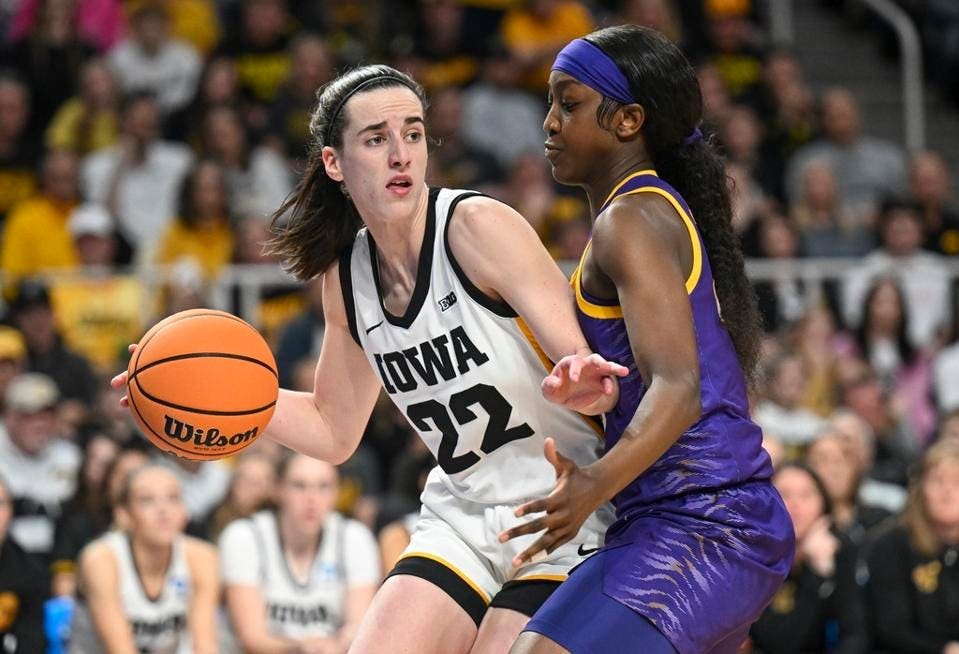
NCAA women’s basketball games are 40 minutes long, divided into four 10-minute quarters.
Ever wondered exactly how much time you’d spend cheering on your favorite team? When it comes to NCAA women’s basketball, the game clock plays a vital role. Many new fans or those simply curious ask, “how long are ncaa womens basketball games?” It’s a great question since it impacts viewing experiences.
Understanding the game’s duration helps you plan your viewing schedule. The structure of the game is quite consistent, making it easy to follow. Every game follows the same time format.

How Long Are NCAA Women’s Basketball Games?
Ever wondered how long you’ll be cheering for your favorite NCAA women’s basketball team? It’s a great question, and understanding the timing can help you plan your game day or viewing schedule. Unlike the professional NBA games, NCAA women’s basketball follows a different structure when it comes to game length. It’s not just about the clock; it’s also about the flow of the game, timeouts, and those crucial moments that can make or break a win. Let’s dive deep into the specifics and break down everything you need to know about the duration of NCAA women’s basketball games.
The Standard Game Clock
The core of any basketball game is the game clock, and NCAA women’s basketball operates with a specific standard. Unlike the 12-minute quarters in the NBA, NCAA women’s games are divided into four 10-minute quarters. This means a standard NCAA women’s basketball game has a total of 40 minutes of playing time. Seems simple, right? But that’s just the beginning. Those 40 minutes don’t take into account all the pauses that happen during a game. These pauses can significantly affect the overall time you spend watching a game.
Quarters, Not Halves
One important difference from some other basketball formats is that the NCAA women’s game is played in four quarters, each lasting 10 minutes. This replaces the old format of two 20-minute halves. This change happened to align with international basketball standards and provides more opportunities for breaks and adjustments during a game. The shift to quarters also means that there are more strategic timeout opportunities throughout the game which we’ll talk about later.
Why Four 10-Minute Quarters?
The move to four 10-minute quarters was intended to improve the flow of the game, allowing teams to adjust more frequently. It gives coaches more chances to talk to their players, assess the strategies, and make necessary changes. The shorter quarters also tend to keep the intensity of the game higher, since players don’t have to pace themselves for as long as they would in two longer halves. It’s all about creating an exciting experience for players and fans.
Beyond the Clock: Factors Affecting Game Length
While the official game time is 40 minutes, the real time spent watching a game is usually longer. Several factors can cause delays, extending the total duration of an NCAA women’s basketball game. These factors are an important part of the game, so it’s good to understand them.
Timeouts
Timeouts are a crucial aspect of basketball, allowing coaches to strategize, players to rest, and the game to be paced. In NCAA women’s basketball, each team is granted a specific number of timeouts per game. These timeouts can be either full or 20 second timeouts.
- Full Timeouts: Teams get five full timeouts in a game. These full timeouts can be 60 seconds in length, and typically allow for coach-player conversations.
- 20-Second Timeouts: Each team also gets two 20-second timeouts per game. These short timeouts are typically used for quick player breaks or making minor in-game strategy changes.
It is important to know that any unused timeouts from the first half are carried to the second half. The availability of these timeouts can extend a game, especially during tight situations in the final few minutes.
Fouls and Free Throws
Fouls are an unavoidable part of basketball, and they frequently impact the game’s duration. Each foul results in a stop in the game, and some fouls lead to free throws. Free throws can be time consuming with the official needing to give the ball to the shooter and the shooter having to take time to make the free throw. All this adds time to the game, and a high foul count can really stretch out the total time.
- Shooting Fouls: When a player gets fouled while shooting, they get to shoot free throws. The number of free throws depends on where the foul occurred and how many points the attempted shot was worth. These shots take additional time.
- Team Fouls: When a team commits too many fouls in a quarter, the other team gets to shoot free throws regardless if the foul occurred while the player was shooting. These fouls are referred to as team fouls. If a team accumulates five fouls in a quarter, the other team goes into the bonus and shoots free throws on any foul after the fifth foul. This can extend game time greatly.
Injuries
Player safety is always a priority, and if a player sustains an injury, the game clock is stopped to ensure they get the help they need. These injury timeouts can vary in length, depending on the severity of the injury and what kind of treatment is needed. While these pauses are important for the well-being of the athletes, they definitely add to the total game time.
Official Reviews
In today’s game, it’s more common to have instant replay reviews, and when officials aren’t certain about a call, they can review the footage to make the correct decision. Replay reviews can lead to game delays, depending on how clear the footage is and the difficulty of the call. Although reviews are necessary to ensure fairness, they can increase the overall game time.
Halftime Break
During each game, a halftime break occurs between the second and third quarters. This halftime period is usually 15 minutes long. The break allows players to rest, coaches to make half-time adjustments, and fans to grab some refreshments. It is a key component of the game’s rhythm and pacing, but of course, it adds time to the total length of watching a game.
Overtime
Sometimes, despite all the regulations, the game ends in a tie. If that happens, the game moves into overtime periods. In NCAA women’s basketball, each overtime period is 5 minutes long. Teams continue playing as many overtime periods as necessary until someone wins. The presence of overtime can really add time to the game, turning it into an unexpectedly long viewing experience. It’s one of the most exciting things that can happen in the game.
Typical Game Duration: What to Expect
So, considering all these factors, how long does a typical NCAA women’s basketball game last? While the official playing time is 40 minutes, the actual time will be closer to a range of 1 hour and 45 minutes to 2 hours. This range accounts for timeouts, fouls, free throws, halftime, and the occasional injury pause or official review. Games with lots of fouls, overtime, or lengthy injury pauses can definitely be longer.
How the NCAA Rules Compare to Other Leagues
Understanding how the NCAA women’s game compares to other leagues can be very helpful. While many might be familiar with professional basketball or other international rules, knowing the specifics helps one better appreciate the game.
NCAA vs. WNBA
The WNBA, which is the professional women’s basketball league in the United States, follows a different format than the NCAA. The WNBA plays games with four 10-minute quarters, just like the NCAA. One key difference is the number of timeouts. In the WNBA, teams receive 7 timeouts instead of 5 which is the number in the NCAA. Another difference is that there is only one 20 second timeout in the WNBA as opposed to two in the NCAA.
NCAA vs. NBA
The NBA, or the National Basketball Association, is where professional male basketball players compete. The NBA differs from NCAA women’s basketball in several ways. NBA games are played in four 12-minute quarters, as opposed to 10-minute quarters in NCAA women’s games. NBA games are longer with 48 minutes of total game time vs 40 minutes in NCAA. The number of timeouts are also different between these two leagues. The NBA has 7 timeouts and one 20 second timeout per game. In addition to the longer quarters, other things, such as the NBA’s “take foul” rule, also affect the game time. All these differences can affect the length of the total viewing time of the game, which can be 2 hour and 15 minutes to 2 hours and 30 minutes in the NBA.
NCAA vs. International Basketball
International basketball, particularly under FIBA rules, also uses four 10-minute quarters. This aligns with the NCAA women’s game and creates some consistency at an international level. However, there are differences in the number and type of timeouts, which will result in different durations. In FIBA, they have only 2 timeouts in the first half and three in the second half. In total the game has 5 timeouts, which is different from the number of timeouts in the NCAA. In international play, the game is generally slightly shorter than NCAA play due to the slightly different timeout rules.
Tips for Planning Your Game Watching Time
Now that you have a good grasp on the length of NCAA women’s basketball games, here are some tips for planning your viewing time. Knowing these can help you to ensure that you will enjoy the experience without any unwanted surprises.
- Plan for at Least Two Hours: It’s a good idea to plan for around 2 hours when you are going to watch a game. This should give you plenty of time to account for the extra time beyond the standard 40 minutes.
- Check Game Schedules: NCAA schedules are published in advance so take advantage and check to make sure you have the start time correct. This is a great way to plan ahead and know what you’re in for before it even begins.
- Factor in Travel Time: If you are going to the game in person, it’s a good idea to make sure you account for how long it will take to travel. It’s no fun to arrive late because of traffic or other travel issues, so it’s best to plan ahead.
- Be Ready for Extra Time: Sometimes games can go into overtime or have many time outs, so being ready for a game that goes over 2 hours is important if you plan to watch at home or live.
Understanding how long an NCAA women’s basketball game takes is useful for both dedicated fans and casual observers. Knowing these details can help you plan and ensure you don’t miss any of the action.
In summary, while a regulation NCAA women’s basketball game has 40 minutes of playing time, the actual duration can range from approximately 1 hour and 45 minutes to 2 hours. Factors such as timeouts, fouls, injuries, official reviews, halftime, and the possibility of overtime all contribute to variations in total game length. By understanding these factors, you can effectively plan and enjoy the excitement of NCAA women’s basketball.
Iowa vs. UConn – 2024 NCAA women’s Final Four | FULL REPLAY
Final Thoughts
NCAA women’s basketball games have four ten-minute quarters, totaling forty minutes of playing time. This is the standard game length. There are breaks between quarters and a longer halftime interval.
Overtime periods, if required, are five minutes each. Factors like timeouts and stoppages can extend a game’s actual duration past the 40-minute mark. Understanding how long are ncaa womens basketball games means considering these potential additions.

