
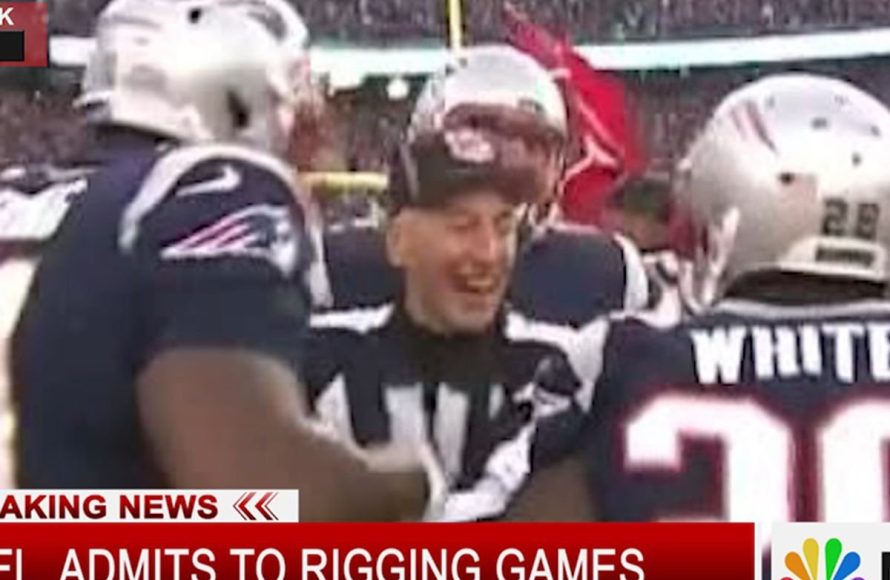
No credible evidence suggests the NFL rigs games; outcomes appear determined by player performance and coaching strategies.
The roar of the crowd, the incredible plays, the heart-stopping moments— it’s easy to get caught up in the drama of the NFL. But sometimes, those intense emotions lead to questions, dark suspicions, even. The question that often surfaces in hushed tones: does the nfl rig games?
Some fans, witnessing an unexpected upset or a questionable call, begin to wonder if the results are predetermined, not earned. This is a frequent debate among sports enthusiasts, leading to online forums and discussions.

Does the NFL Rig Games? Examining the Controversies
The question of whether the NFL rigs games is a hot topic among football fans. It’s a debate that pops up after controversial calls, surprising upsets, and when some teams seem to have all the luck. Let’s take a deep look at this complex issue and explore the arguments from all sides.
The Core Arguments: Why People Think Games Might Be Fixed
Many fans believe the NFL might rig games for various reasons. These reasons are usually tied to money, entertainment, and league popularity.
The Money Factor
The NFL is a huge business, making billions of dollars each year. Some fans think the league might manipulate games to generate more revenue. How would they do that? Well, consider this:
- Increased Viewership: Close games and exciting finishes keep people watching. If a game is rigged to be nail-biting, it would lead to bigger audiences, which translates to more money from TV deals and advertisements.
- Betting Interests: A lot of people bet on NFL games. Some fans think the NFL might influence outcomes to sway gambling lines. This would create more betting, which means more money for casinos, and indirectly, the league through sponsorships.
- Favoring Big Market Teams: Teams in large cities, like New York, Los Angeles, or Dallas, often have more fans and draw more attention. Some believe the NFL might secretly favor these teams to keep viewership and merchandise sales high.
The Entertainment Factor
Beyond money, there’s the idea that the NFL might rig games for sheer entertainment value. The goal here would be to make the league more exciting and unpredictable.
- Creating Drama: Comebacks, buzzer-beaters, and surprise wins make games more memorable. Some fans speculate that the league might secretly manipulate these moments to create a more exciting storyline.
- Maintaining Interest: If a team is very dominant, fans might lose interest. Some believe the NFL might ensure more competitive balance to keep fans engaged. This could mean manipulating the outcomes of games so that no single team wins all the time.
The Role of Officials
NFL referees are constantly under scrutiny. They have to make quick decisions that can dramatically alter the outcome of a game. Some people believe that the officials are not neutral and might intentionally make biased calls. Let’s take a look:
- Human Error: Referees are human and make mistakes. But when a bad call happens at a critical moment, some people think that it is not a mistake but a deliberate manipulation of the game outcome.
- Subjectivity of Calls: Some calls, like pass interference, are subjective and often lead to debates. Some people believe that referees might favor a certain team when making these close calls.
- Potential for Bias: There is no solid evidence of referees being paid off or influenced, but that doesn’t mean some fans don’t think it’s happening. The argument that the NFL might use referees to influence games is still out there.
Evidence and Counter-Arguments: Separating Fact from Fiction
While the arguments for rigged games are compelling to some, it’s vital to examine the evidence and counter-arguments before jumping to conclusions.
The Lack of Concrete Proof
Despite all the claims, there has never been any real proof that the NFL rigs games. This lack of concrete evidence is a major argument against the idea of manipulation.
- No Whistleblower: If the NFL was rigging games, you’d think someone would have come forward by now. With so many players, coaches, referees, and staff involved, it’s unlikely the whole operation could be kept secret for so long.
- No Leaked Documents: No documents or emails have ever surfaced that show proof of the NFL manipulating game outcomes.
The Nature of Competitive Sports
NFL games are incredibly complex and involve lots of variables. The best teams can sometimes lose to the underdogs and vice-versa. This happens because of several reasons:
- Player Performance: Players have good days and bad days. Sometimes, a star player might have a bad game, which can dramatically impact the outcome.
- Unexpected Plays: A fumble, interception, or a long touchdown run can change a game’s momentum. The random nature of these plays makes them difficult to control.
- Coaching Decisions: A coach’s decisions, whether good or bad, during the game can impact the team’s performance and the overall outcome.
The Implausibility of a Conspiracy
Rigging NFL games would require a massive conspiracy involving many people, all of whom would need to be perfectly silent.
- Too Many People Involved: To rig games, you’d need to get players, coaches, referees, and possibly even team owners on board. Keeping so many people quiet is almost impossible.
- Risk of Exposure: The risk of getting caught would be enormous. The legal and public relations consequences for the NFL would be devastating.
Analyzing Controversial Calls
While some calls appear questionable, it’s important to remember that referees are only human and make mistakes. Also, many calls can be interpreted differently. Let’s analyze why some of these calls look controversial:
- Fast-Paced Game: Referees have to make instant decisions in a fast-paced environment. It’s hard to get every call right with such speed.
- Different Angles: Viewers have the advantage of multiple camera angles and instant replays, things referees don’t have in real time. What might look like a bad call on TV could actually be the correct one.
- Subjective Calls: Some calls, like holding or pass interference, require the referee to judge a situation. These calls are not always clear and can lead to disagreements.
The Impact of Conspiracy Theories on the NFL
Whether games are truly rigged or not, this idea can impact the league and its fans significantly. Let’s look at the effects.
Erosion of Trust
When fans believe that the game is fixed, it erodes the trust between the league and its audience. Fans may not engage as much, stop watching games, or even stop buying merchandise because they feel the games are not legitimate.
- Decrease in Viewership: When fans don’t trust the game, they may find it less enjoyable and stop watching.
- Reduced Fan Engagement: If fans feel they can’t rely on the results of the game being fair, they might become less invested in the sport.
Skepticism and Cynicism
The idea of rigged games often leads to skepticism and cynicism. When fans don’t trust what they see, they begin to doubt everything about the league, from the calls of referees to the performances of players.
- Questioning Everything: People start to question the fairness of each call and begin to suspect hidden motives behind every outcome.
- Negative Fan Experience: The fun of enjoying the game is replaced by a suspicion that something unfair is happening.
Impact on the Integrity of the Game
The belief that the games are fixed hurts the very idea of fair play and competition. It questions the efforts of players and coaches, which undermines the heart of sports.
- Undermines Hard Work: Players and coaches train hard to win, and the belief that results are fixed undermines their efforts and dedication.
- Question of Victory: When games are considered rigged, victories lose their meaning, taking away the sportsmanship of competition.
NFL’s Efforts Towards Transparency
The NFL knows that these questions are out there, and they are taking steps to ensure the integrity of the game and increase transparency. Let’s review some of these steps.
Instant Replay and Review
The NFL uses instant replays to review calls, giving officials another opportunity to assess plays with a better view. Although it doesn’t eliminate all mistakes, it does help reduce blatant errors.
- Improved Accuracy: Replay review helps the officials to correct obvious missed calls during the game.
- Increased Transparency: It shows fans that the league is trying to be fair in its decisions.
Referee Training and Evaluation
The NFL invests in training referees and evaluating their performances to ensure the highest level of officiating. This training helps referees to better understand the rules of the game and reduce the number of wrong calls.
- Continuous Improvement: Regular training programs help to improve the quality of officiating each season.
- Accountability: Regular evaluation of referee performances holds them accountable.
Increased Rule Clarity
The NFL continuously refines its rulebook to avoid vagueness and prevent controversial calls. They try to write rules so that they are clear and easy to understand.
- Clear Guidelines: Clear rules are essential for fair officiating and preventing mistakes.
- Consistency in Officiating: The clarity in rules promotes consistency in how games are officiated.
The idea that the NFL rigs games is a complex one, with arguments on both sides. While the possibility of behind-the-scenes manipulation exists, there is no real evidence of it. The perception of rigged games impacts trust, skepticism, and the integrity of the game itself. The NFL has also taken steps to increase transparency by improving refereeing and clarifying the rules. Ultimately, whether or not you choose to believe these theories is up to you, as fans. However, it is crucial to weigh the evidence and come to your own conclusions.
Is the NFL Rigged? What Every Fan NEEDS to Know!
Final Thoughts
While some fans speculate about officiating bias or suspect calls, concrete evidence proving systemic manipulation remains nonexistent. The NFL’s enormous popularity and complex systems make complete control nearly impossible. Such a scandal would destroy the league’s credibility.
So, does the NFL rig games? The answer, based on available information, is a very strong no. There is simply no legitimate proof to back those wild claims and conspiracy theories.

