
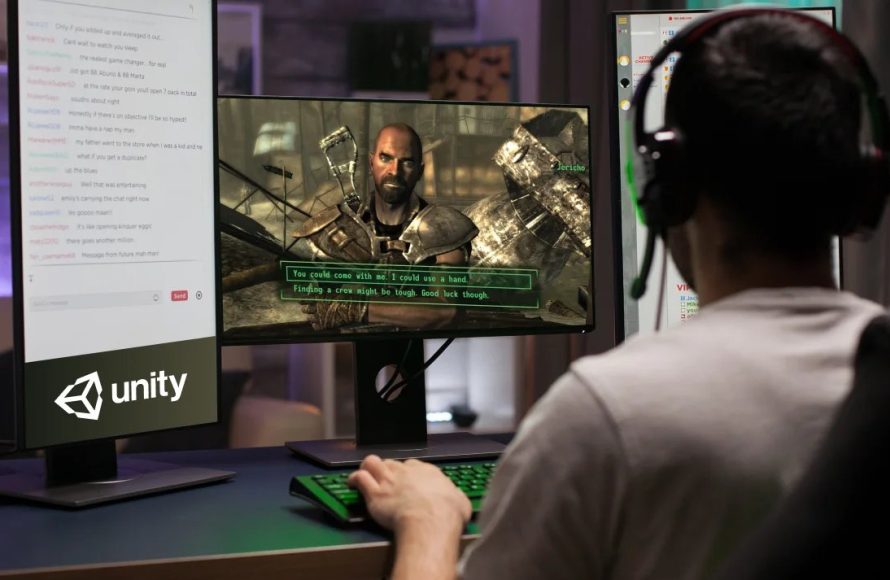
Yes, Unity games can pay out, but the earnings vary greatly based on factors such as game quality, marketing, and monetization strategies.
Creating games with Unity seems like a fun way to express creativity, but the question often arises: does unity games pay out? Many aspire to earn from their creations, so it’s important to address this.
The prospect of making a living from game development is real. However, success isn’t guaranteed; many variables contribute to the final payout for a developer.

Does Unity Games Pay Out?
So, you’ve got a brilliant game idea and you’re thinking of using Unity. That’s fantastic! But before you dive in headfirst, there’s a big question on everyone’s mind: does making games with Unity actually pay off? The short answer is: it can, but it’s not as simple as hitting a button and getting a mountain of cash. Let’s break down how making money with Unity games really works and what you need to know to get started on your journey.
Understanding the Basics: How Games Generate Revenue
Before we get into the Unity-specific stuff, it’s important to understand how games make money in general. There are several common approaches, and a game can often use a combination of these methods:
- Premium Sales: This is the most traditional method. You sell your game for a one-time price. Think of it like buying a book or a movie. People pay once to own the game, and that’s how you make money.
- In-App Purchases (IAPs): Many games, especially mobile games, are free to download. They make money by offering in-game items, features, or upgrades that players can buy. These can be anything from cosmetic items to power-ups that help you advance in the game.
- Advertising: Another common way for free games to make money is by showing ads. These ads can pop up between levels, as banner ads on the screen, or as rewarded video ads where players watch an ad to get an in-game reward.
- Subscription Models: Some games offer a subscription service, where players pay a recurring fee to access the game or extra features. Think of it like a monthly membership.
- Merchandise and Licensing: Once a game gets very popular, you can also earn money by selling merchandise like t-shirts, toys, or other items related to your game. You can also license your game’s characters or other intellectual property for use in other products.
- Early Access and Crowdfunding: Some developers use early access to allow players to buy the game in its development stages. This provides needed funding while simultaneously collecting feedback. Similarly, they can launch crowdfunding campaigns to generate initial funds.
These methods are not exclusive. A game can have both premium sales and in-app purchases or use advertising alongside a subscription model. The way you monetize your game really depends on the type of game and its intended audience.
Unity and Revenue: The Tools and Possibilities
Unity is a game development engine, it’s the tool you use to make the game. It doesn’t magically make you money by itself. However, it provides powerful tools that make it easier to implement these revenue streams. Here’s how Unity helps you get paid:
Integrating Monetization Features
Unity has built-in support for many different monetization options. This means that you don’t need to start from scratch. Unity has special features and tools (often called SDKs or Software Development Kits) that help you connect your game to ad networks and in-app purchase systems. They make the technical aspects of implementing these features way simpler. Some key features include:
- Unity Ads: This is Unity’s own ad platform that lets you easily show ads in your game. Unity Ads offers various ad formats, like video ads, banner ads, and playable ads, to give you flexibility in how you integrate ads into the gameplay experience. It also helps in optimizing ad placement and types to get better earnings.
- Unity IAP (In-App Purchasing): This tool makes it straightforward to set up in-app purchase functionality in your game. It handles all the tricky stuff like integrating with different app stores (like Google Play and the App Store), setting prices, and tracking transactions, and allows you to sell virtual items, upgrades, and more.
- Third-Party Monetization SDKs: If you prefer to use monetization services outside of Unity, the platform supports the integration of other ad networks and payment systems. Developers have the flexibility to choose whichever solution they prefer.
Choosing the Right Monetization Strategy
Deciding how to monetize your Unity game is a big step and impacts your project. You need to think about what makes sense for the type of game you’re creating and the audience you’re targeting. Here are a few considerations:
- Type of Game: Mobile games often use IAPs and ads because they are generally free to download. Console or PC games tend to use a premium price model, but can also use DLC (downloadable content) which is similar to IAPs.
- Target Audience: Kids’ games should ideally avoid excessive or potentially misleading ads. Teenagers and adults may be more tolerant of ads in exchange for free gameplay. Understanding your target demographic and their preferences is key to a good monetization strategy.
- Gameplay Experience: You don’t want ads and IAPs to ruin the fun. Make sure your monetization strategy is balanced and doesn’t make the game feel too much like a cash grab. A well designed monetization strategy should seamlessly integrate into the game design rather than hindering it.
The Challenge of Game Development: Time, Effort, and Competition
Okay, so Unity provides the tools, but it’s crucial to remember that creating a successful game is a serious undertaking. It’s not just about slapping together some code and waiting for the money to roll in. There are serious challenges involved:
The Time Investment
Game development can be a long and complex process. It can take months or even years, depending on the size and complexity of the game. You’ll need to learn programming, game design, art, sound design, and more, or work with a team that is proficient in these areas. This means dedicating a lot of time and effort, which is a lot like running a small business. It is not a guaranteed path to riches. You must be dedicated and persevering.
The Competition is Fierce
The game market is incredibly competitive. Millions of games are available across different platforms. Making your game stand out requires a unique concept, compelling gameplay, good marketing, and potentially a bit of luck. Getting attention for your game requires a good strategy that considers all angles of the market. It also requires planning and consistent effort.
The Need for Quality
Players expect high-quality games with engaging graphics, sound, and smooth gameplay. A poorly made game, no matter how interesting the concept, won’t attract players or generate any revenue. Investing in the game’s quality is necessary to compete in a saturated market. This also includes polishing your game and testing before releasing to the public.
Breaking Down the Numbers: How Much Can You Really Earn?
Let’s talk about what you probably came here for: how much can you actually make creating Unity games? The answer is, unfortunately, “it depends.” It’s not a simple equation, but let’s examine some of the factors that come into play.
Factors Influencing Revenue
- Game Quality and Design: A game that’s fun, engaging, and well-made will attract more players and generate more revenue than a poorly executed one. Focus on creating a game that stands out from the crowd and brings value to the players.
- Marketing and Promotion: A great game is worthless if no one knows about it. Effective marketing, public relations, and user acquisition are essential to get your game in front of potential customers. Try social media, ad campaigns, and get in touch with content creators.
- Monetization Strategy: The way you choose to monetize will significantly affect your revenue. The decision should align with your game’s design and audience. It should seamlessly incorporate into the experience rather than feel forced.
- Platform and Market: Mobile games on app stores can have different market dynamics and monetization potentials compared to PC or console games. Research the best platforms that align with your game type and audience.
- Luck and Timing: Sometimes, despite all the planning and effort, a bit of luck is needed. A game that launches at the right time might get a larger player base. It might get picked up by influencers which can lead to virality. Timing can play a vital role in the game’s success.
Examples: From Indie Success to Big Studios
It’s hard to give exact numbers, but it helps to see a range of possibilities. Here are some broad examples:
- Indie Developer Success: Some individual developers or very small teams have created hit games and made millions of dollars. These are often the exception, not the rule, but show what is possible with dedication and creativity. Stardew Valley is an example of this.
- Moderate Success: A well-made, but not necessarily groundbreaking game, may earn enough to sustain the developer. This could mean that the money earned can be enough to pay the bills and continue to make games. Many indies fit this category.
- Struggling Indie Developers: A significant amount of games on app stores don’t earn much and may not even cover the development costs. This is an important reminder that success is not guaranteed and requires a lot of hard work and dedication.
- Large Studio Success: Big studios with large budgets can create games that sell millions and bring in hundreds of millions of dollars. These are often games that have big franchises with brand recognition, such as Call of Duty or Mario.
As you see, the range is vast. It is not enough to just make a game; you have to think like a business and be ready for ups and downs. There is never a guarantee of success.
Practical Steps: How to Get Started Earning from Your Unity Game
So, you’re serious about creating games with Unity and want to make money? Here’s a roadmap to get you started:
1. Learn the Fundamentals
Start by learning the basics of Unity. There are many online tutorials, courses, and resources to help you learn the engine. Start with simple projects and gradually increase the complexity. Focus on mastering the basics rather than jumping straight into a big project. Consistent learning and practice are essential for becoming a proficient game developer.
2. Develop a Solid Game Idea
Don’t just start coding. Plan your game thoroughly. Think about gameplay, your target audience, and how you’re going to monetize it. Make a game design document that outlines the game’s features and mechanics. A well-thought-out game idea will lay the foundation for success.
3. Create a Prototype
Before committing to a full production, create a small working version of your game. This will help you test your core gameplay ideas and make sure it’s actually fun. Playtesting the prototype will give you valuable feedback to improve the game and make it better.
4. Choose Your Monetization Strategy
Decide which approach makes the most sense for your game. Will you charge for the game, use IAPs, ads, or a mix of these approaches? Plan carefully how to use these models to create a balance between income and a great player experience.
5. Build Your Game
Once your prototype is solid, you can start the full development process. It’s important to stay organized, test your game often, and focus on building a great experience for your player base. Don’t rush the development process because quality is more important than speed.
6. Test, Test, and Test Again
Before launching, thoroughly test your game on different devices and platforms. Fix any bugs or issues that you find. User feedback is vital in this stage, so be sure to incorporate it and make changes where needed.
7. Marketing and Launch
Plan a marketing strategy to get your game in front of the audience. Use social media, gaming forums, and other channels to promote your game. Also, be ready to keep working on your game even after you launch because constant updates and support will help you keep players engaged.
8. Analyze and Improve
Once your game is live, track your revenue, user engagement, and gather feedback. Use this information to improve your game and optimize your monetization strategies. Continuous monitoring and adaptation is important for success in the competitive game market.
Is It Worth It? The Final Word
Making games with Unity can pay off, but it requires dedication, creativity, hard work, and good business sense. It’s not a magical money-making machine, but a powerful tool that enables you to realize your creative vision and, with the proper effort, to build a viable business. The key is to be realistic about the challenges involved and plan accordingly.
Do not get carried away by dreams of making millions overnight. Instead, commit to creating something that you are proud of and focus on quality, user experience, and effective monetization strategies. By focusing on these, you’ll stand a much better chance of achieving your goals. In summary, yes, Unity games can pay out. Success depends on your planning, work ethic, and your game design.
How much MONEY my first Unity mobile game made in 4 months! | Unity Mobile Monetization
Final Thoughts
Game developers earn money through Unity in several ways. They can sell games on app stores, implement in-app purchases, or use advertising. Revenue depends on the game’s success and monetization strategy.
So, does unity games pay out? Yes, but it’s not guaranteed. Success hinges on many factors, not just the engine used to make the game. Developers put in effort and creativity which results in payout based on business models and engagement.

