
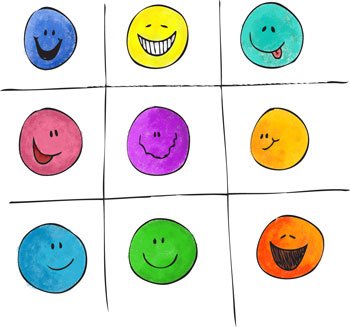
The ‘don’t eat pete game’ involves hiding a treat under a designated spot and having players guess its location, avoiding the spot called “Pete” to win.
Have you ever experienced a game that’s simple, fun, and perfect for all ages? Well, you have probably seen ‘don’t eat pete game’ before! It’s the kind of activity that brings out laughter and excitement in both children and adults. This game is easy to learn and needs very minimal setup, making it great for quick entertainment.
The ‘don’t eat pete game’ provides a fantastic alternative to screen time, promoting family fun and social interaction. Whether you’re looking for a party game, or a casual activity, it is always a good idea.

Don’t Eat Pete Game: A Fun and Engaging Activity for Kids
Have you ever played a game that’s so simple, yet so much fun that everyone wants to play again and again? That’s exactly what the “Don’t Eat Pete” game is all about. It’s a super easy game to learn, perfect for kids of all ages, and you probably already have everything you need to play right in your home. Let’s dive deep into how to play, the many ways you can change it up, and why it’s such a great activity for families and friends.
The Basic Rules of Don’t Eat Pete
The main idea of “Don’t Eat Pete” is to try not to pick the candy (or other treat) that’s hiding under a special spot. Here’s how it usually works:
- The Setup: You need a grid of some kind. This can be made using paper, a whiteboard, or even a placemat. Draw a grid of squares on your chosen surface, about 3×3 or 4×4.
- The Treats: Place a small treat (like a candy, a small cracker, or even a small toy) in each square of the grid. A fun idea is to use mini marshmallows or small chocolates.
- Choosing “Pete”: Before the game begins, secretly choose one treat as “Pete”. This is the special treat that everyone needs to avoid picking. This is usually done with a person turning away while another person does the choosing, or under a blanket to avoid being seen.
- Taking Turns: Players take turns picking a treat from the grid, one by one. Players call out “Is this Pete?” before picking up a treat to make it more engaging.
- The Big Reveal: If a player picks “Pete,” they shout “You ate Pete!” This player’s turn is over, and the next player takes their turn. The player who picks “Pete” should not eat that candy, it’s set aside for the end of the game.
- The Winner: The game continues until everyone has had a chance to pick a treat. Then everyone gets to eat all the candy, including “Pete” at the end of the game.
Variations on the Classic Don’t Eat Pete Game
One of the coolest things about “Don’t Eat Pete” is how easy it is to change it up and make it your own. Here are some fun ideas to keep things interesting:
Theme It Up
Pick a fun theme to match the game! This can add a whole new layer of excitement to your “Don’t Eat Pete” experience.
- Holiday Themes: During holidays, you can use themed treats and even make grids that look like holiday symbols. For example, use heart-shaped candies and a heart-shaped grid for Valentine’s Day. Use small candies that are shaped like pumpkins for Halloween, or mini candy canes for Christmas.
- Character Themes: If your kids love a certain cartoon or book, you can make a grid that features their favorite characters. You can also use stickers or little toy figures as markers on the grid.
- Color Themes: You can make all the treats the same color. For example, if you do it for St Patrick’s Day, you can have green colored treats in each spot. This is also fun for a birthday party with a certain color theme.
Change Up the Treats
You’re not stuck with just candy! Consider these alternatives:
- Small toys: Instead of candy, you can use small toys, like mini-figurines, erasers, or small bouncy balls. This way, you can play the game even when you want to avoid sugary snacks.
- Healthy treats: Use little pieces of fruit, small crackers, or even mini-sandwiches. This way, the game can become an option for snack time!
- Homemade goodies: Use small cookies or small pieces of cupcakes that you have made yourself.
Change the Grid
You don’t have to just stick with squares!
- Different Shapes: Try a grid made of circles or triangles. Or how about a zigzag shape?
- Larger Grids: Instead of a 3×3 or 4×4 grid, try a larger one, or even a 5×5 grid to make the game last longer. This is good for more players.
- Outdoor grids: Draw a grid on the sidewalk with chalk for an outside game. You can even use a large blanket and use sticks or stones to make the squares.
Making it More Challenging
If you want to make the game a little more tricky, you can add some extra elements:
- Blindfolded Player: Try playing with blindfolds. Make sure they are a safe distance from the table. The player has to use their other senses to guess which treats they are about to pick.
- Time Limit: Add a time limit for each turn. This can make the game feel more fast-paced and fun.
- Double “Petes”: Make the game even more exciting by choosing two “Petes.” This makes it trickier to avoid the chosen treats.
Why the Don’t Eat Pete Game is Awesome
Besides being a ton of fun, “Don’t Eat Pete” has lots of awesome benefits. Here’s why it’s such a hit:
Easy to Learn
The rules are really simple, so kids of all ages can quickly understand how to play. This makes it a fantastic game for families with kids of different ages.
Promotes Sharing and Turn-Taking
Games like “Don’t Eat Pete” are excellent for teaching kids about taking turns. They need to wait patiently while others play. This helps with their social skills.
Encourages Strategic Thinking
Even though the game is mostly luck-based, kids can start thinking strategically about which treats to choose. They might start paying attention to which treats have been chosen in the past and begin to have a better idea of where Pete could be.
Adaptable and Versatile
You can play “Don’t Eat Pete” pretty much anywhere. It’s a good game for classrooms, birthday parties, family game nights, or even just a quick bit of fun on a rainy day.
It’s Great for All Ages
Whether you are a little kid or a grown-up, this game is just enjoyable for everyone. It’s a fun way for families to spend time together.
Tips for Playing a Successful Don’t Eat Pete Game
To make sure everyone has a great time, here are some tips:
- Make it Clear: Explain the rules clearly before you start playing, so everyone is on the same page.
- Have Fun: Remember the goal is to have a good time, so keep it light and silly!
- Be Fair: Make sure everyone gets a chance to pick a treat, and try to avoid making it too obvious where “Pete” is hiding.
- Be Patient: Sometimes you might not be the first to pick Pete! Help the player who finds Pete to feel that it’s still exciting.
- Prepare Ahead: Make sure you have all the treats and the grid ready before you start playing.
Creating Your Own Don’t Eat Pete Game
Creating your own “Don’t Eat Pete” game is super easy and can be a fun activity to get your kids involved in! Here’s how:
Gather Your Supplies
- Grid Material: You can use paper, a whiteboard, a placemat, or even a large piece of cardboard.
- Treats: Choose small candies, mini toys, stickers, or other small objects. The number of treats you need will depend on the size of your grid.
- Markers: If you’re using a paper grid, you’ll need markers, crayons, or colored pencils to draw the grid lines.
- Optional: Stickers, themed paper, or other craft supplies to decorate your game board.
Design Your Grid
Start by drawing your grid. A simple 3×3 or 4×4 grid is a good place to begin. Use a ruler to make straight lines, or just freehand them. You can get creative with your grid by using different shapes or designs.
Decorate Your Grid
This is where you can add some extra fun! Use stickers, colored markers, or themed paper to personalize your game board. Let your kids design their own grids, adding their own artistic touch. They might want to draw fun patterns or characters in each square.
Set Up Your Treats
Place one treat in each square of the grid. Make sure they’re all arranged nicely so it’s easy to pick them. This is a good time to choose your “Pete” secretly! You can choose which spot has “Pete” before you place the treats, or by turning away as you put them down and picking a spot.
Customize the Game
If you’d like, you can add special rules or twists to your game:
- Custom “Pete” Name: Let your child come up with a unique name for “Pete”, making it a part of their personal version.
- Special Instructions: Add little instructions or challenges to each spot on the grid. For example, if you pick that spot you have to hop in place or give a high five.
- Team Play: Split the players into teams and keep track of the number of times each team finds “Pete”. This can add a competitive aspect to the game.
Testing Your Game
Before playing with everyone, do a test run by playing it solo or with one other person first. Check if everything works well and adjust any rules as needed. It’s always a good idea to make sure the game flows smoothly before everyone gets involved.
By following these steps, you can create your very own customized “Don’t Eat Pete” game that is special to your family. This is a fun way to add your own personal creative touch to the classic game.
“Don’t Eat Pete” is more than just a simple game; it’s an experience. It brings people together, sparks laughter, and creates wonderful memories. This game can bring a lot of fun and entertainment, it also has a lot of educational values that kids can gain from it. So, gather your treats, draw your grid, and get ready for a round of “Don’t Eat Pete”! You might find that this little game becomes a family favorite.
Don't Eat Pete!
Final Thoughts
“Don’t Eat Pete” offers simple, engaging fun for all ages. It’s easy to learn and quick to play, making it a perfect choice for family game night or a classroom activity. The suspense built around who will get Pete is really a must.
The game’s charm lies in its silliness and the shared laughter it brings. It promotes quick thinking and anticipation, making it a great way to bond with others. The “dont eat pete game” truly embodies uncomplicated entertainment.

