
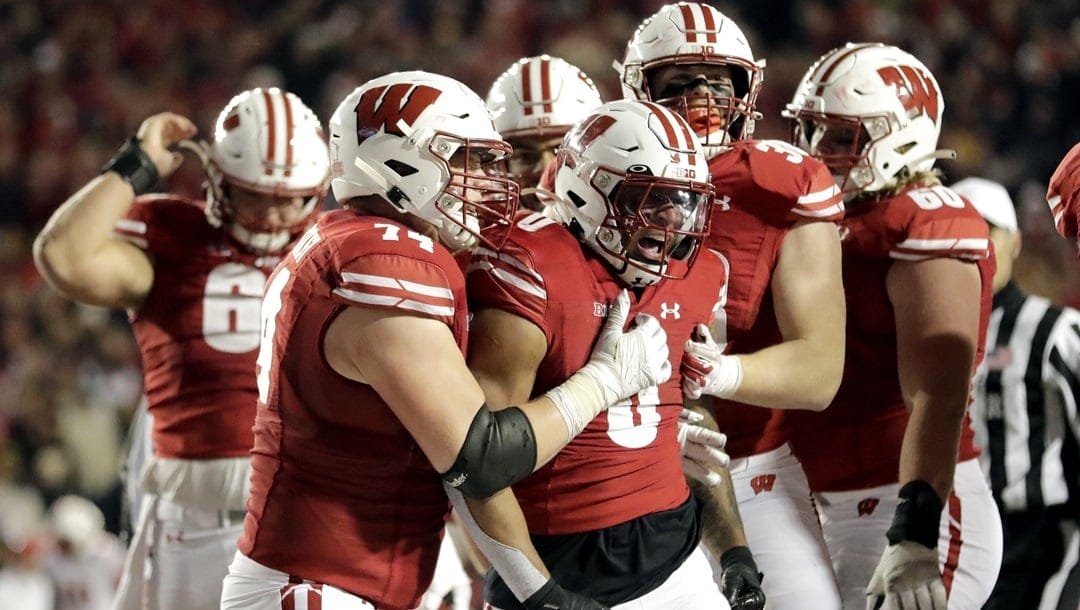
A typical college football game lasts approximately three to four hours.
Ever found yourself wondering exactly how long college football game actually takes? It’s a common question for both new and seasoned fans. Games often stretch beyond the scheduled time due to various stoppages, adding to the overall viewing experience.
Understanding the time commitment helps plan your day better. We’ll explore what affects the length, ensuring you are never caught off guard during game day. This allows for better enjoyment of the exciting sport.

How Long Is a College Football Game?
Ever sat glued to your TV, watching an amazing college football game, and wondered, “Wow, this is taking a while!”? Well, you’re not alone! Figuring out exactly how long a college football game lasts can be a bit tricky. It’s not like a movie where you know the exact running time. There’s a lot more to it than just 60 minutes on the clock. Let’s break down all the pieces that add up to a college football game’s length.
The Basics: 60 Minutes of Play
At its core, a college football game has four quarters, each lasting 15 minutes. That’s a total of 60 minutes of actual playing time. Think of it like a school day: four classes (quarters) with breaks in between. Easy, right? But here’s where things get more interesting. The 60 minutes is just the time the clock is running. We know from watching games that the actual time from kickoff to the final whistle is a lot longer. So, what adds to the overall time?
Halftime: A Break for Everyone
Right after the second quarter, teams get a break called halftime. This break is important for the players to rest, coaches to strategize, and fans to grab snacks or visit the restroom. Halftime usually lasts for 20 minutes. This is a fixed time and will always be there. It is the longest break in the game.
Timeouts: Pauses for Strategy
Teams have timeouts that they can call during the game. Each team has a certain number of timeouts per half. Timeouts allow the coaches to talk with the players and make sure they’re prepared for the next play. When a team calls a timeout, the clock stops and this time also adds to the overall length of the game. It is usually around 1 to 2 minutes long, but this too can vary. While timeouts do add extra time, they are a key part of the game’s strategy.
Commercial Breaks: When the Game Pauses
Just like most other televised sporting events, college football games include commercial breaks. These breaks happen at natural pauses in the game. For example, after a score, during timeouts, or between quarters. These breaks can be a few minutes each and are there to show advertisements. They significantly add to the overall game length. Television networks show commercials during these times and because they have to accommodate for these breaks, the game is extended.
The amount of time for commercials can change from broadcast to broadcast, but they will have a substantial effect on the total time a game will last.
Penalties: Mistakes on the Field
When a player does something against the rules, the referee will throw a yellow flag and call a penalty. These penalties can sometimes stop the game clock. If a penalty is called when the clock is running, the clock will be stopped. Penalties are also reviewed, and that too can take some time. This time also adds to the length of the game. Some penalties can result in longer reviews and longer pauses, which results in the game lasting longer.
Examples of penalty calls:
- Offsides
- Holding
- Pass Interference
Injuries: Taking Care of Players
Player safety is important. If a player gets hurt during a game, the game clock stops while the player receives medical attention. These injury stoppages can vary in length depending on the injury. Sometimes it can take only a few minutes, while other times it can take a while to treat a serious injury. This is a very necessary part of the game and its also a very unpredictable time addition in a game. Injuries are part of football, and the game pauses to make sure players are safe.
Clock Management: Strategic Time Control
Teams often try to use the clock to their advantage. If a team is winning with only a few minutes left, they may try to run the ball and keep the clock running so the opposing team does not have a chance to score. Sometimes, teams try to strategically stop the clock if they need more time, for example, by throwing the ball out of bounds, or taking a timeout. All these time management strategies can add or even sometimes subtract time from the overall duration of a game.
The Flow of the Game: A Natural Rhythm
The flow of a game also influences how long it takes. A game with many scoring plays, turnovers, and penalties will tend to take longer compared to a game with few stops in play. A game with many quick scoring drives could be a bit quicker, while a game with more punts could take a little bit longer. Every game unfolds a bit differently, influencing how long it will last.
Overtime: When the Game Needs Extra Time
Sometimes, the game ends in a tie after the four quarters are over. When this happens, the game goes into overtime. Overtime in college football is different from the NFL. Each team gets a chance to score from the 25-yard line. College football uses a modified version of overtime, where each team gets a chance to score from their opponent’s 25-yard line. This continues until a winner is decided. This can also add extra time to a game. This can sometimes even lead to multiple overtimes. Overtime adds an unpredictable amount of time, and multiple overtimes can substantially extend a game.
The Average Game Length: What to Expect
So, with all these factors, how long does a college football game really take? While the actual playing time is 60 minutes, you should expect a game to typically last around 3 to 3 1/2 hours. Some games can be shorter if they are low-scoring or don’t have many interruptions. However, some games can go longer if there are many stoppages and overtime. Here is a table showing a typical breakdown of the time.
| Game Element | Typical Time |
|---|---|
| Playing Time | 60 minutes |
| Halftime | 20 minutes |
| Timeouts | Varies, but a few minutes |
| Commercials | Varies a lot, but a large portion of the total time |
| Penalties, Injuries, Clock stoppages | Varies, but can add significant time |
| Overtime | Varies, but can be a significant addition |
| Total Game Length (Average) | 3 to 3.5 hours |
Keep in mind this is just an average, so some games could be less or longer.
Factors that Increase Game Length
Several factors can cause a game to go longer than the average 3 to 3.5 hours. Some of these are:
- Many scoring drives: Lots of touchdowns and field goals can mean more breaks for extra points or kickoff
- Close game with lots of timeouts: When the game is close, each team might use their timeouts strategically, making more stoppages
- Lots of penalties: Lots of flags thrown and a lot of reviews, can significantly lengthen a game.
- Multiple injuries: Serious injuries that require on-field treatment will pause the game
- Overtime: When the game is tied after 4 quarters, extra time is needed to decide the game
Factors that Decrease Game Length
On the other hand, some games can be shorter than 3 hours. Here are some reasons why:
- Low Scoring game: If the team is not scoring much and it is a defensive game, then the clock will keep running and the game will be fast-paced.
- Blowout: In a blowout, when one team is clearly winning, there will be less stopping as teams generally don’t use many timeouts and the winning team will try to run the clock down.
- Few penalties: Games that have fewer penalties will naturally run faster as there will be less stopping
- Fewer injuries: Few or no significant injuries keep the clock running
Keeping Track: What to Do While Watching
Now you know why college football games can vary so much in time. When watching, it’s good to have some activities planned to keep you going. Here are a few ideas:
- Have some food ready: College football games can take long and having your favorite snacks ready will be helpful.
- Get up and walk around: Sitting for long period can be tiring. Do some stretching or get some movement in while you’re watching.
- Play a game: A fun game during the commercial break can make the game more interactive and fun.
Remember, enjoying the game is what matters the most!
Why Does It Matter? Understanding the Time Commitment
Knowing the approximate length of a college football game is useful for planning your day. If you are heading to the stadium or just watching at home with family and friends, knowing that a game is likely going to last for 3-4 hours helps in planning accordingly. This helps in planning for other activities before or after the game. This knowledge also helps when planning for tailgate parties before the game, or any other gatherings.
In conclusion
The length of a college football game is not just 60 minutes of playing time, it includes halftime, commercial breaks, timeouts, and other stoppages for penalties and injuries. Usually, you can expect a college football game to take around 3 to 3 1/2 hours. Some games might be shorter or longer based on many factors we talked about. So, next time you sit down to watch a college football game, you’ll know what to expect. Now you can enjoy the game with a better understanding of all the components that affect its length. Get ready to sit back, relax, and cheer for your favorite team. You’re now a master of college football timekeeping!
Longest Overtime Games in College Football History
Final Thoughts
College football games typically run for about three hours, but they often go longer. Factors like TV timeouts and injuries can extend the total playtime. understanding how long college football game lasts helps fans plan their day.
Halftime and replay reviews also add extra minutes. A close game with many penalties can significantly increase the time. So, expect to dedicate at least three hours, and possibly more, when watching.

