
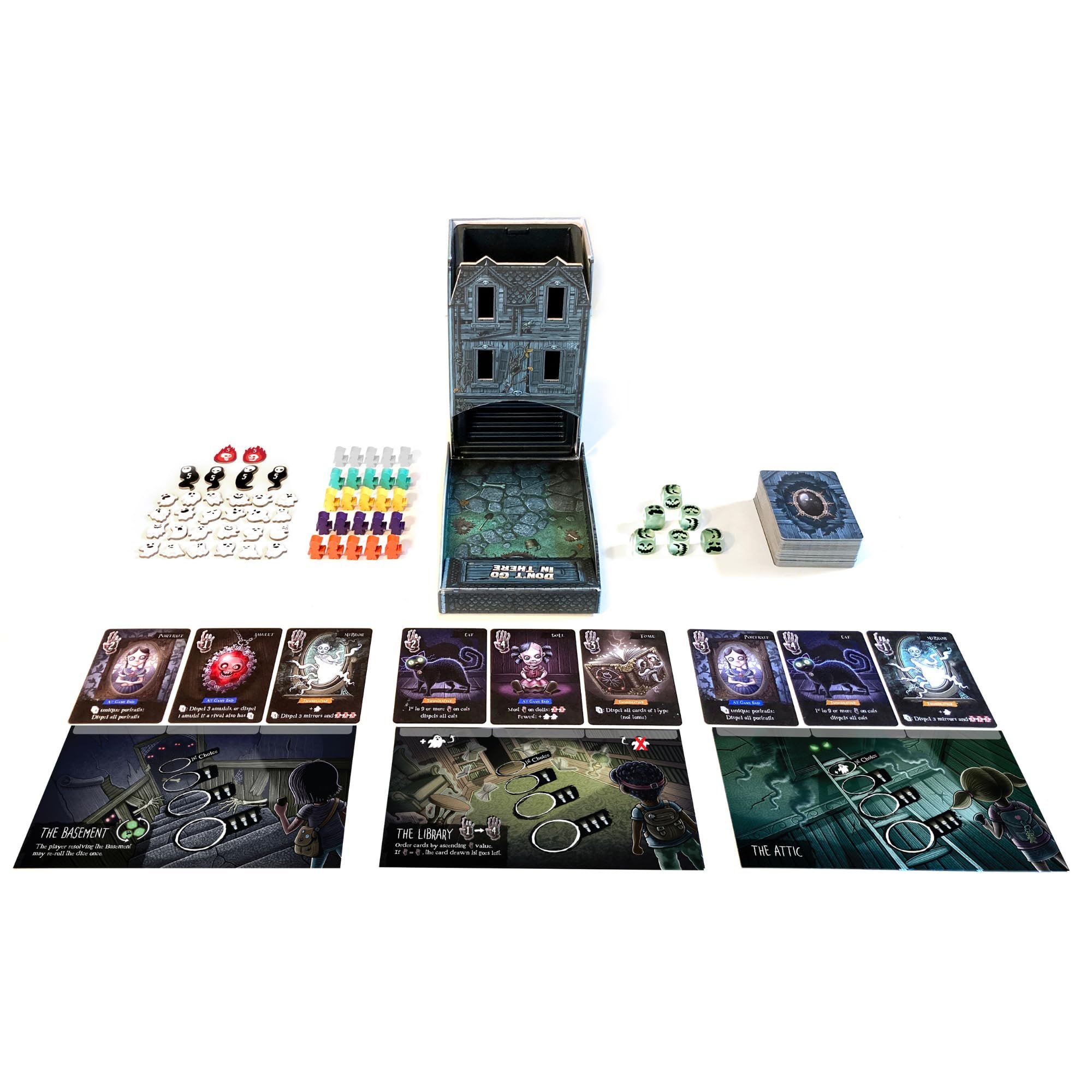
The objective of the “don’t go in there game” is to resist the temptation of entering a designated forbidden space, often a room or area, despite any allure or pressure to do so.
Have you ever felt a childish urge to peek into the forbidden? That feeling is the core of the “don’t go in there game”, where the simple act of restraint becomes the challenge. It’s a test of will and curiosity, playing on our natural inclination to explore what’s off-limits.
This game isn’t about complex rules or winning, but about navigating that inner push and pull. Will you succumb to the allure, or will you hold back? That is the real question this game asks of its players.

Don’t Go In There Game: A Deep Dive into the Creepy Fun
Okay, so you’ve heard whispers about a game called “Don’t Go In There,” right? Maybe a friend mentioned it at school, or you saw it on a video. It sounds spooky, maybe a little scary, and definitely intriguing! Well, you’ve come to the right place. Let’s explore everything about this game – what it is, why it’s so popular, and how you can play (or maybe not play!) depending on how brave you’re feeling.
What Exactly is “Don’t Go In There”?
Unlike board games with rules and pieces or video games you play on a screen, “Don’t Go In There” isn’t something you can buy at a store. It’s more like a story, a legend, or an imaginative play scenario. It’s an open-ended, spooky game. Think of it like a haunted house in your head. The core idea revolves around a place you absolutely, positively should not enter. The “place” could be anything – a dark closet, a basement, an attic, even a specific room in your house or an area in your backyard. The thrill comes from the mystery of why you shouldn’t go in there and what might happen if you do. This concept makes it super flexible and adaptable for different groups of kids or individuals with wild imaginations!
The Core Elements
Let’s break down the typical components you’d find in a “Don’t Go In There” game:
- The Forbidden Place: This is the heart of the game. It needs to be a location that feels a little bit creepy or unsettling. The more mysterious, the better. Think about areas with shadows, unusual sounds, or that are simply off-limits.
- The Warning: There’s usually a reason why you shouldn’t go in, delivered either as a whispered warning, a note, or a feeling. This creates the suspense. Maybe someone or something is inside, or perhaps a bad consequence will follow if you enter.
- The Imagination: This is where the real magic happens. Kids playing the game fill in the blanks, creating their own narratives about what could be lurking within the forbidden space.
- The Choice: This is the most important aspect. Do you dare to venture into the unknown, despite the warnings? That’s where the fun is.
Why is “Don’t Go In There” So Appealing?
The “Don’t Go In There” game taps into a few very human things that make it so captivating to play. Let’s think about these.
The Thrill of the Unknown
Humans are naturally curious. We like to explore and figure out things. When we’re told not to do something, sometimes that makes us want to do it even more! The game builds on this natural curiosity. The unknown behind a closed door or in a shadowy room is almost irresistible. It’s not that we necessarily want something bad to happen, but we’re drawn to the mystery of what could be.
The Power of Imagination
Unlike games with pre-defined rules, “Don’t Go In There” relies heavily on the creativity of the players. We’re not playing with cards or a controller; we’re playing with our minds. Each person imagines what the forbidden place looks like, and what dangers lurk inside. This allows each person’s game to be unique and personally scary, and that is fun! The game provides a framework to begin building stories.
A Safe Way to Explore Fear
Sometimes, a little bit of fear can be fun, especially when it is something you can control. The game provides a controlled environment where we can safely experience some feelings of fear or excitement. You know it’s a game, so the danger isn’t real, but the feelings you experience can still feel exciting. It’s a way to explore our imagination of scary things without actual danger.
How to Play “Don’t Go In There”
There isn’t a strict rulebook for this game! That’s part of its charm. But here’s a basic idea of how you can get started if you wish to play:
- Choose a Location: Pick a place that feels a bit mysterious. It could be a real location, or just one you imagine.
- Set the Story: Come up with the reason you can’t go in. What’s the danger? Who or what might be there? This can be a scary monster or a very silly monster. You can choose!
- Build the Suspense: Create an eerie atmosphere. You could use dramatic lighting, play spooky sounds, or tell the story in a hushed voice.
- The Choice to Enter: One player decides whether or not to venture into the forbidden place. If they do, have some idea of what will happen next, or just play it out by listening to the players.
Playing Alone or With Friends
“Don’t Go In There” can be played alone or with friends. If you’re playing alone, it becomes a chance to explore your own imagination, making your own personal story. When you play with friends, it becomes a group project, where everyone gets to contribute to the suspense and to the scary adventure.
Examples and Variations
The wonderful thing about “Don’t Go In There” is its versatility. It can be adapted to suit any age group or level of scariness. Here are some ideas:
For Younger Children
- The Closet Monster: The warning is that a playful but mischievous monster lives in the closet. If you go in, you might get tickled or have your socks stolen!
- The Talking Tree: A tree in the backyard tells you not to come near, because it likes to tell funny jokes that might make you giggle too much.
- The Sleepy Bed: A bed that warns you if you enter, it will send you to sleep immediately, which is bad if you don’t want to sleep!
For Older Children and Teens
- The Abandoned House: An old house in the neighborhood with spooky stories about past owners that might still be living there.
- The Forbidden Room: A sealed-off room in a house that might hold a secret from the past, but some kind of danger lurks in there.
- The Basement Sounds: A basement where strange sounds and footsteps can be heard at night.
Adding to the Game
- Clues and Hints: Include clues or riddles that add more story and mystery to the forbidden place.
- Roles and Characters: Assign roles like “the brave explorer” or “the cautious friend”.
- Sound Effects: Use your voice or household objects to create spooky sound effects that will build tension.
The Importance of Safe Play
While “Don’t Go In There” is meant to be scary and fun, safety is always the most important thing. Here are some ideas to keep it fun and safe:
- No Real Danger: The danger in the game should be imaginary, and the forbidden place should not actually put anyone in danger. Never explore dangerous, unsafe, or inappropriate places.
- Stop When You’re Not Having Fun: If the game is getting too scary or if someone isn’t enjoying the game, stop and change to a game that is more fun. It’s important to check in with each other and make sure everyone is having a good time.
- No Real Scaring: The goal of the game is not to cause real fright or fear, but to play with those emotions. It’s important to be respectful of each other’s feelings.
- Set Rules and Boundaries: Before you begin, it can be good to set rules and guidelines for the game, including boundaries for what kind of stories are ok and which are not ok. This helps ensure that everyone knows how to have fun and also be safe.
“Don’t Go In There” and Storytelling
Think about “Don’t Go In There” as a way to play with storytelling. By creating a forbidden place, adding a mystery, and providing a chance to explore, it’s an interesting way to practice making narratives and understanding how they work. Each time you play this game, you’re making a story, adding characters, conflicts, and even a climax to the story. It is just like making a story come to life. The creativity and imagination you use in this game is also useful for making stories in other ways.
“Don’t Go In There” in Pop Culture
The idea of “don’t go in there” is a very common trope in books, movies, and TV shows. Think about the creepy old mansion on the hill or the warning given before a character enters a dark cave in an adventure book. These kinds of places and the feeling around them play on our imaginations and our desire to explore the unknown. You may recognize this theme, or this same basic idea, in many of your favorite stories!
Why is it used?
- Builds Suspense: The warning “don’t go in there” creates instant tension. It makes the audience wonder what will happen next.
- Increases the Stakes: It also helps make the story more important. If the character ignores the warning and goes inside, it makes the audience feel even more worried about them.
- Adds Mystery: It creates mystery around that place. The warning itself makes us curious about what is inside.
Examples can be found in all kinds of stories, from fairy tales like “Hansel and Gretel” to spooky movies and television. Sometimes, the characters listen to the warning, and sometimes they do not. It’s fun to see how different stories explore this idea.
The “Don’t Go In There” game is a simple but powerful way for kids to play with imagination, fear, and storytelling. It’s a flexible game that encourages creativity, and it can be adapted to suit different age groups and interests. It taps into some basic parts of being human, our curiosity about the unknown, our love for stories, and our desire for controlled experiences with excitement. If you are feeling brave, why not try making your own “Don’t Go In There” game? Just remember, it’s all about having fun and using your imagination!
Don't Go In There —Quick Overview
Final Thoughts
‘Don’t Go In There’ game provides tense, suspenseful experiences. Players must carefully navigate the dark and unknown. Survival often depends on quick thinking and careful observation, making strategy a must.
The game’s chilling atmosphere and jump scares create memorable moments. Players explore, solve puzzles, and try to avoid the dangers hidden within. So, approach ‘don’t go in there game’ with caution; it may test your bravery.

