
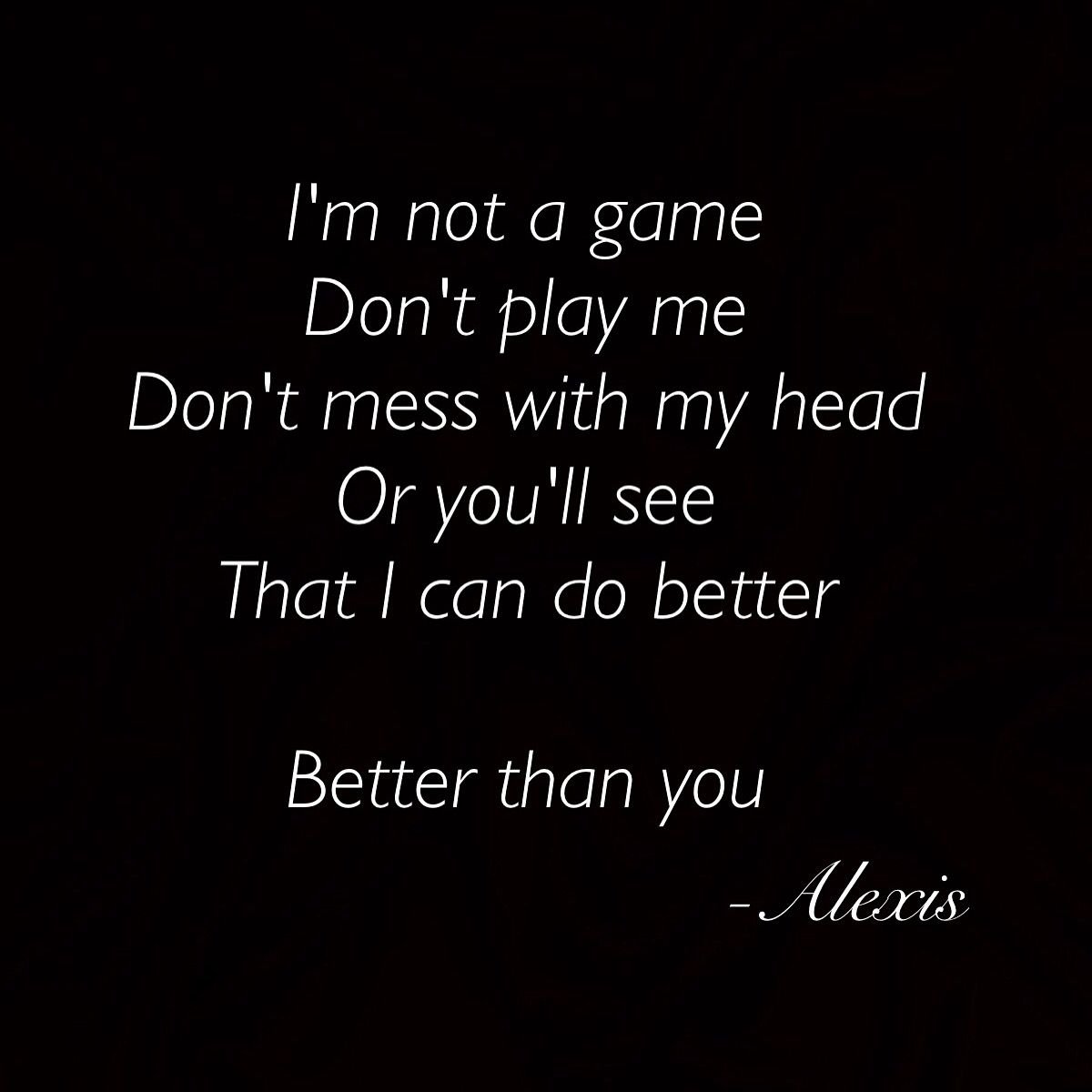
Do not play games with me; I expect directness and honesty in all interactions.
Have you ever felt that knot in your stomach when you suspect someone isn’t being straightforward? It’s a feeling of unease, a sense that you are navigating a maze of hidden motives and unspoken intentions. When we say “dont play games with me,” we’re often craving sincerity and a genuine connection.
This phrase signals a desire for clear communication and a rejection of manipulation. We want people to be upfront about their thoughts and feelings, fostering trust and mutual understanding. We seek relationships built on truth, not charades.

Don’t Play Games With Me
We’ve all been there, right? That feeling when someone isn’t being straight with you, when it seems like they’re trying to manipulate you or pull your strings. It’s frustrating, it’s confusing, and it can really hurt. Saying “don’t play games with me” isn’t about being mean; it’s about setting a boundary. It’s about saying you deserve honesty and respect. But what does it really mean when someone is playing games, and how can you stop it?
What Does “Playing Games” Really Look Like?
The term “playing games” can cover many different kinds of behaviors. It’s not always as obvious as someone laughing while tricking you. Sometimes, it’s subtle and sneaky. Let’s explore some of the common ways people play games in relationships and interactions:
Emotional Games
These games play with your feelings. They’re often designed to make you feel insecure, confused, or even guilty. Some examples include:
- The Silent Treatment: When someone stops talking to you to punish you or get what they want, it’s a game. It makes you feel anxious and like you’re always doing something wrong.
- Guilt Trips: When someone makes you feel guilty for something you didn’t do, or for wanting something that is okay to want, that’s a game. They are trying to manipulate your emotions.
- Playing the Victim: Someone may exaggerate their problems or act helpless to gain sympathy or get you to do things for them. This can be very draining emotionally.
- Mixed Signals: Giving you conflicting messages is a classic game. One minute they’re sweet, the next they’re cold. This keeps you off-balance and wondering what you did wrong.
- Gaslighting: This is a serious form of emotional manipulation where someone makes you question your own memory, perception, or sanity. They might deny things they said or did, making you feel like you are going crazy. It’s important to recognize gaslighting because it can be very damaging.
Power Games
These games are about control. One person tries to have more power in the interaction than the other.
- One-Upmanship: This is where someone always tries to be better than you, even in simple conversations. It’s a way to make themselves feel superior.
- Keeping Score: They might keep a mental list of everything you owe them, always bringing it up to make you feel obligated. This makes the relationship feel transactional instead of loving.
- Withholding Affection or Attention: When someone uses affection or attention as a reward, it’s a game. They might withdraw their love or support to try and control you.
- Making Unreasonable Demands: They may expect you to drop everything to do things for them, or have unrealistic expectations that are impossible for you to meet.
Communication Games
Sometimes, the games are in how people talk (or don’t talk) to each other.
- Passive-Aggression: This involves expressing anger or negativity in an indirect way, like through sarcasm or backhanded compliments. It avoids direct confrontation but creates tension.
- Avoiding Direct Answers: Instead of giving a straight yes or no, they might give vague answers or change the subject. This makes it hard to know what they really think or want.
- Lying or Exaggerating: Not being honest is a way to manipulate the situation. They might lie to make themselves look better or to get what they want.
- Talking Behind Your Back: Spreading rumors or gossip is a mean game. It’s a way to hurt someone without talking directly to them.
- Talking over you or interrupting you: This shows a lack of respect for your voice and opinion. It’s a way to try to silence you.
Why Do People Play Games?
Understanding why someone plays games doesn’t excuse the behavior, but it can help you recognize it and protect yourself. There are often underlying reasons, and it’s rarely about you:
- Insecurity: Someone who is insecure might play games to make themselves feel more powerful or important. They might try to tear others down to build themselves up.
- A Need for Control: They may have a deep need to feel in control, and playing games helps them manipulate situations and people.
- Learned Behavior: Sometimes people learn these behaviors from their families or past relationships. They might not even realize they’re doing it.
- Lack of Communication Skills: They may not know how to express their feelings or needs in a healthy way, so they resort to manipulation instead.
- Attention Seeking: Someone might crave attention, even if it’s negative attention, and play games to provoke a reaction from others.
The Impact of Game Playing
When someone plays games with you, it can have a serious impact on your well-being. It’s not something to brush off or ignore. Here are some of the ways it can affect you:
Emotional Toll
Playing games can leave you feeling:
- Anxious: You might constantly worry about what they’ll do next or how to avoid upsetting them.
- Confused: Mixed signals and inconsistent behavior make it hard to understand where you stand.
- Insecure: They might make you question yourself and your worth, lowering your self-esteem.
- Frustrated: The lack of honesty and direct communication can be incredibly frustrating.
- Sad: It can lead to feelings of sadness, loneliness, and even depression.
Relationship Damage
Game playing can really damage your relationships. It can make it hard to trust the other person, and it can create tension and conflict. Over time, this kind of behavior can break down the bond between people, no matter what kind of relationship it is. It can also create a pattern of unhealthy relationships in the future if it’s not properly addressed.
Mental Health
Long-term exposure to these types of games can affect your mental health. The constant stress and emotional rollercoaster can lead to symptoms of anxiety and depression. It can also make you question your own sanity and perception of reality. It is important to protect your mental health from these toxic behaviors.
Recognizing When You’re Being Played
Sometimes it’s not easy to see that you’re being played. It can happen so subtly that you might start to doubt yourself. Here are some signs to watch out for:
- You Feel Uneasy: If you have a constant feeling of unease or discomfort around a person, that’s a red flag.
- You’re Walking on Eggshells: If you’re constantly worried about saying the wrong thing or upsetting them, you’re probably dealing with someone who plays games.
- They Avoid Direct Communication: If you try to have an honest conversation and they dodge the questions or change the subject, that’s a sign they’re not being straightforward.
- You Feel Manipulated: If you feel like you’re being pressured into doing things you don’t want to do, someone is likely trying to manipulate you.
- Your Gut Says Something’s Wrong: Don’t ignore that feeling in your gut. If something feels off, it probably is.
How to Say “Don’t Play Games With Me” and Mean It
Setting boundaries and making it clear that you won’t tolerate games is crucial for your well-being. Here’s how you can approach it:
Be Direct and Clear
Use simple and direct language. Don’t beat around the bush. Say something like:
- “I don’t like it when you do that. Please stop.”
- “I’m not okay with the way you’re talking to me. I need you to be direct.”
- “I’m not going to participate in this back-and-forth anymore. I need clear communication.”
- “I deserve to be treated with honesty and respect and I’m not going to tolerate these kinds of games anymore.”
Avoid being accusatory or angry. Stay calm and assertive. This makes it clear that you are serious and you’re setting a limit.
Set Your Boundaries
Make your boundaries clear. Tell them what behavior you will and will not accept. You can be specific. For example:
- “I will not accept the silent treatment. If you need space, you can tell me, but don’t just stop talking to me.”
- “I’m not going to engage in a conversation if it involves name-calling or insults.”
- “I’m not going to guess what you are thinking. If you need something, please just ask me directly.”
Being clear about your boundaries makes it easier for you to enforce them. And, you have the right to set your boundaries. It’s healthy for you and for any relationship you have.
Enforce Your Boundaries
Setting boundaries is important, but you also need to enforce them. This means that when the other person steps over the line, you need to take action. Here’s what that can look like:
- Walk Away: If someone is playing a game, you can walk away from the conversation or situation. Don’t engage with the manipulation.
- Limit Your Contact: You don’t need to be around someone who is not respecting you. Reduce the amount of time you spend with them.
- Get Support: Talk to someone you trust about what’s happening. They can provide support and help you stay strong. This might be a parent, friend, family member, therapist, or a school counselor.
- Say No: You have the right to say no. Don’t allow yourself to be manipulated into doing things you don’t want to do.
- Remove Yourself From the Situation: Sometimes, the best thing to do is remove yourself from the situation entirely. That might mean ending a friendship or even leaving a toxic family relationship, if possible.
Don’t Get Drawn In
People who play games often try to bait you into an emotional reaction. They might try to provoke you or make you feel guilty. Don’t fall for it. When they start to play games, take a deep breath and disengage. Don’t let them pull you into their drama. The more you refuse to react, the less they will be able to manipulate you.
Focus on Your Needs
Sometimes, in relationships with people who play games, we focus too much on what the other person wants, and we forget about our own needs. Make sure you’re taking care of yourself. Prioritize activities and relationships that make you feel good. Set aside time to relax and recharge. Remember, your well-being matters. It’s important to make yourself a priority, especially when you’re dealing with challenging people.
Recognize That You Deserve Better
The most important thing to remember is that you deserve to be treated with respect and honesty. You don’t have to tolerate being manipulated or played with. It is your right to be in relationships where you feel safe and loved. You deserve to have clear, honest, and respectful interactions.
When to Seek Help
If you’re struggling to deal with someone who plays games, or if you feel like your emotional or mental health is being affected, it’s okay to seek professional help. A therapist or counselor can provide you with strategies for setting boundaries and dealing with manipulative behavior. They can also help you process your feelings and learn how to build healthy relationships. Remember, seeking help is a sign of strength, not weakness.
Dealing with someone who plays games is never easy, but knowing how to recognize it and set boundaries can make a significant difference. It’s about understanding your worth and choosing to engage in healthy interactions that honor who you are. Remember, you deserve to be treated with respect and honesty, and saying “don’t play games with me” is the first step towards claiming that right.
Don't play games with me! – Doctor Who BBC [HD]
Final Thoughts
Ultimately, clear communication and genuine intentions are paramount. We must seek directness to build trust. Don’t play games with me; it wastes everyone’s time and energy.
Honesty is a must. People appreciate straightforwardness. Pretending otherwise creates unnecessary friction and misunderstanding in any interaction.

