
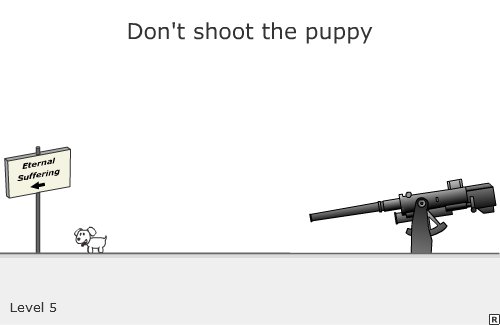
The essence of don’t shoot the dog game is to avoid punishing mistakes while focusing on rewarding positive actions, ultimately encouraging desired behaviors.
Ever felt frustrated when negative feedback seems to crush your progress? That’s the challenge we explore in depth today; it’s the idea behind the concept of “don’t shoot the dog game”. Many learning styles rely heavily on correction, often highlighting what went wrong rather than praising what went right.
This approach can create apprehension and stifle growth. Instead, imagine a world where focus is solely placed on rewarding the behavior you want to see repeated. It makes so much of difference, that we will be exploring more today.

Don’t Shoot the Dog Game: A Deep Dive
Alright, let’s talk about “Don’t Shoot the Dog,” a game that sounds a bit silly at first, right? But trust me, it’s a fantastic way to understand how we learn, especially when it comes to training behaviors – whether it’s a pet, a child, or even ourselves! The name might make you giggle, but the concept behind it is serious and super useful. It’s all about positive reinforcement and avoiding the pitfalls of focusing only on what’s ‘wrong.’ So, let’s explore this awesome learning method and see how it works in detail.
The Core Idea: Focusing on the Good Stuff
The main idea of “Don’t Shoot the Dog” is incredibly simple yet powerful: concentrate on the behaviors you want to see more of instead of dwelling on the ones you want to stop. Think about it like this, if you’re teaching a dog to sit, you wouldn’t spend all your time scolding it when it stands, would you? Instead, you’d give it praise and maybe a tasty treat when its bottom hits the floor. That’s the spirit of the game. We’re trying to build good habits by making them feel rewarding and ignoring behaviors we don’t want.
Why Focusing on the Negative Doesn’t Work Great
Often, we naturally tend to point out errors. It’s like our brains are wired to see what’s wrong first. However, when it comes to learning, constantly highlighting mistakes doesn’t help much. Imagine you’re learning to ride a bike, and each time you wobble someone yells, “You’re going to fall!”. Would that motivate you? Probably not! You’d likely get discouraged and scared. Focusing on negatives can create stress, fear, and even a desire to avoid learning at all. This applies to training animals, kids, or anything that involves changing behavior. Also, focusing on negative behavior doesn’t tell the other person what they should be doing instead, it just says what not to do.
The Problem With Punishment
Punishment, the direct opposite of positive reinforcement, can sometimes stop unwanted behavior temporarily, but it comes with a bunch of problems. Firstly, it doesn’t teach the desired behavior. It only suppresses the action you don’t want. Secondly, it can make the person or animal fearful and distrusting. Think of a dog being punished for barking. The dog may stop barking in your presence, but the feeling that made them bark in the first place may still be there. It doesn’t solve the core reason for the behavior. This kind of “training” can also damage your relationship, because trust is broken. Punishment can lead to a negative association with learning and even cause anxiety and aggression.
Positive Reinforcement: The Key Ingredient
So, if constantly pointing out the negative isn’t the best way, what is? Positive reinforcement! This involves rewarding the behaviors you do want to see. It could be a yummy treat for your dog, praise for your child, or even a small pat on the back for yourself. The idea is to make the good stuff feel good, so it happens more often. When positive reinforcement works correctly, it is very powerful and effective and can be used in all areas of training.
How Positive Reinforcement Works
When you offer a reward after a behavior you want, you’re showing the learner that what they just did is something you like. This helps create a positive connection between their action and the reward, encouraging them to do it again. It’s like saying, “Yes, that’s exactly what I wanted!”. This method is very effective because it motivates people (or animals) to repeat behaviors that give them pleasure or gain a reward. Positive reinforcement builds motivation and it can improve relationships.
Types of Rewards
Rewards don’t have to be expensive or complicated. They just need to be something the learner finds valuable and enjoyable. Here are some different kinds of rewards:
- Food treats: Tasty snacks are often very effective, particularly for animals.
- Verbal praise: Saying things like “Good job!”, “Well done!”, or “That’s perfect!” can be rewarding for both people and animals.
- Physical affection: Pets might enjoy a scratch behind the ears, and people might appreciate a pat on the back or a high-five.
- Toys and games: A favorite toy can be a great reward for a dog, and a fun game can motivate children.
- Privileges: Allowing a child to stay up a bit later or choose the movie for the night can be a powerful reward.
Timing is Everything
The timing of your reward is very important. It needs to be given right after the behavior you want, so the learner connects the action to the reward. If there’s a delay, it becomes harder for the learner to make that connection. Think of it like telling a joke and having the person laugh 20 minutes later. It’s lost some of its effectiveness. If your timing is good, the learning is much quicker and clearer.
Real-World Applications of “Don’t Shoot the Dog”
This approach isn’t just for dog training; it can be used everywhere! Here are a few examples:
Parenting
Instead of constantly pointing out when your child leaves their toys out, try praising them when they put their toys away. Instead of focusing on poor grades, praise their study efforts. This way, you’re promoting the desired behavior and building a positive relationship with your child. Parents who focus on the good things their children do, will see better behaviors.
Teaching and Education
Teachers can use this to foster a positive learning environment. Instead of only highlighting mistakes in homework or class projects, recognize good effort and good work. Students will feel more motivated to try and improve if they feel appreciated, not criticized. For example, a teacher could say “I love the way you worked so hard on this!” instead of saying, “You made too many mistakes”.
Workplace Dynamics
Managers can use the principles of “Don’t Shoot the Dog” to motivate their teams. Instead of focusing only on the errors in a report, try praising employees for their hard work and successful projects. Recognition for good work creates a happier work environment and boosts production. This is more effective than pointing out what went wrong constantly. Positive reinforcement makes work more pleasant, and the quality of work increases.
Personal Improvement
You can even use it on yourself! Instead of dwelling on your mistakes, congratulate yourself when you accomplish something. This approach will help you build self-esteem and create a healthier attitude about your failures. If you focus on the good you have done, it helps keep you motivated. If you only focus on your errors, it will make you feel hopeless.
“Don’t Shoot the Dog” in Action: A Detailed Example
Let’s say you’re training your dog to stop jumping on guests. Instead of scolding the dog every time it jumps, which is focusing on the negative, you’d follow these steps:
- Identify the behavior you want: You want your dog to keep four paws on the floor when guests arrive.
- Ignore unwanted behavior: When your dog jumps, turn away, don’t make eye contact, and don’t give them any attention. This shows the dog that jumping is not an effective way to get attention.
- Reward the desired behavior: The moment your dog’s paws touch the ground, offer praise, a treat, or a combination of the two.
- Be consistent: Repeat this process each time a guest comes over. Consistency will teach your dog the behavior you expect.
Over time, your dog will realize that keeping all four paws on the floor is how they get attention. This method creates a positive association with good behavior.
Common Misconceptions About “Don’t Shoot the Dog”
It is normal to have a few misunderstandings when you hear about the method. Let’s clear them up:
It’s not about Ignoring Bad Behavior Altogether
While the goal is to concentrate on the good stuff, that doesn’t mean you should let bad behaviors go unchecked. Ignoring the negative is not the same as letting it continue without guidance. You might need to redirect, or gently change bad behavior. The idea is to ignore the behavior when possible, and then praise the new good behavior as quickly as possible. You are not encouraging bad behavior; you are just not using it as the focal point of your training.
It Doesn’t Mean No Discipline
The method is about minimizing punishment, not getting rid of it completely. Sometimes, consequences are necessary for safety or serious misbehavior. For example, if a child is running towards a busy street, you would have to stop the child even if it means using negative feedback. However, the core idea is that positive reinforcement is more effective and more compassionate than focusing on punishment. It’s a shift in focus rather than a complete lack of discipline.
It’s not a ‘Quick Fix’
Changing behavior takes time and dedication. It’s not a magic solution. You must be patient and consistent with your approach and your rewards. Everyone learns at a different pace, and you may have to adjust the method as needed for best results. Remember, it’s a long-term approach that builds good habits, not a short-term trick.
Why is “Don’t Shoot the Dog” a Great Approach?
There are several reasons why this is an excellent method for creating good habits:
Builds Positive Relationships
Positive reinforcement creates a bond built on trust and respect rather than fear. This positive bond can improve relationships with pets, children, and colleagues. If you are working with people or animals, this is an important goal.
More effective Learning
Learning is more effective when the learner enjoys the process. Positive reinforcement creates a positive and enjoyable experience. When you praise a person or animal for a behavior you want, you are making that behavior more likely to occur again in the future. With negative methods, the behavior is only avoided because of fear, which is not a sustainable method.
It’s More Fun!
Let’s face it, focusing on the positive is just way more enjoyable than focusing on the negative. It makes teaching and learning much more pleasant, and the positive approach to training brings joy for everyone. Focusing on positive actions also helps to create a better overall mood.
It’s Ethically Sound
By focusing on positive reinforcement, we are acting with greater compassion. Punishment can be damaging and can create fear. A positive approach will always be the most humane and ethical way of changing behavior.
Integrating “Don’t Shoot the Dog” into Your Life
How can you begin applying the principles of “Don’t Shoot the Dog” in your daily routines?
- Start with awareness: Pay attention to when you are focusing on negative behaviors versus positive ones.
- Choose one area: Don’t try to change everything at once. Pick one area and begin implementing this approach.
- Identify desired behaviors: Clearly define the actions you want to see more of.
- Find the right rewards: Tailor your rewards to what the learner finds motivating.
- Be consistent: Apply these principles regularly for the best results.
- Be patient: Remember that it takes time to change behaviors. Be patient with yourself, and with the people or animals you are training.
“Don’t Shoot the Dog” is about understanding how our brains learn best. By emphasizing positive actions, we create a positive and encouraging environment. It’s a method that promotes effective learning and makes the process enjoyable for everyone.
Don't Shoot The Puppy Flash Game
Final Thoughts
In short, the ‘dont shoot the dog game’ teaches impulse control and precision. Players must think carefully before acting. Success in the game requires patience and good timing. This game definitely has a great learning curve and is must for everyone to try.
The challenging gameplay forces focused attention. Quick reflexes alone won’t win. Effective strategy and planning are key to success.

