
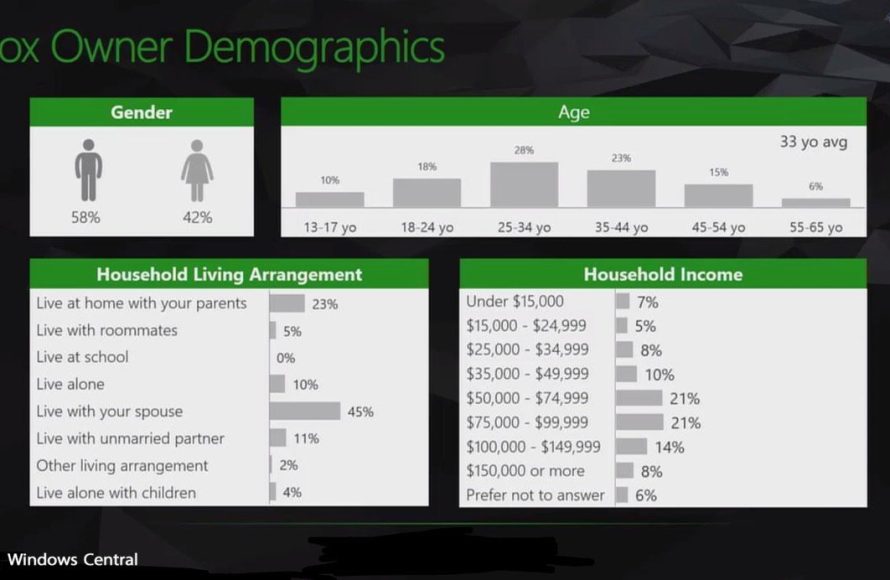
Xbox customer segmentation divides players into groups based on gaming habits, spending, and demographics, allowing Microsoft to tailor marketing and game development.
Understanding who plays Xbox is key to its continued success. It’s not just about selling consoles; it’s about crafting experiences that resonate with different types of gamers. This is where Xbox customer segmentation becomes incredibly important. By understanding distinct player groups, Microsoft can better target its marketing efforts. This targeted approach also influences game development choices.

Xbox Customer Segmentation: Understanding Your Gaming Audience
Ever wonder who exactly is playing Xbox games? It’s not just one big group of people. Xbox gamers come in all shapes and sizes, with different tastes and habits. That’s where customer segmentation comes in. Think of it like sorting toys into different bins – each bin holds toys that are similar in some way. With Xbox, we sort players into groups based on what they like, how they play, and more. This helps Xbox make better games and experiences for everyone. This article will take you on an adventure into the world of Xbox player groups and how knowing them helps the gaming world.
Why Segment Xbox Players?
Why is it so important to divide Xbox players into groups? Well, imagine trying to please everyone with the same game! It wouldn’t work very well, right? Some people love fast action games, while others prefer a slow and story-rich adventure. By dividing players into segments, Xbox can:
- Make games that people truly want to play.
- Create better online experiences that match what each group is looking for.
- Offer tailored promotions and deals that are actually relevant.
- Build a stronger and more engaged gaming community.
Basically, understanding the different groups helps Xbox make better decisions about everything from game development to marketing. Let’s dive into some of the specific ways players can be grouped.
Demographic Segmentation: Who Are They?
Demographics are all about the basic stuff – things like age, gender, where people live, and how much money they make. Understanding these things gives Xbox a general idea of who is playing.
Age Groups
Xbox players can be found in many different age groups, from young kids to adults. Here’s a look at some of the key age segments:
- Kids (Under 12): These players are often drawn to family-friendly games and may need parental guidance.
- Teens (13-17): A very diverse group that is drawn to many different genres and loves to play with friends. They are very active on social media and enjoy multiplayer games.
- Young Adults (18-24): This group is often looking for competitive experiences and may have a greater interest in advanced gaming setups.
- Adults (25-40): This is a very important group with diverse gaming habits and preferences, who often have more money to spend on gaming.
- Older Adults (40+): Often interested in relaxing games or playing classic titles that bring back nostalgia.
Gender
While gaming was once thought to be a male-dominated hobby, it’s now much more diverse. It is important to look at the proportion of male and female players to better understand their gaming preferences and to promote inclusivity.
Geographic Location
Where a player lives can also play a role. Different regions might have varying preferences for certain genres or types of games. For example, certain games may be more popular in Japan compared to the USA.
Income Level
The amount of money people make can affect how much they spend on games, consoles, and accessories. Players with higher income may be more willing to invest in premium games and add-ons.
Behavioral Segmentation: How Do They Play?
Behavioral segmentation digs into how players interact with Xbox games and the platform itself. This can tell Xbox a lot about what players actually do and what they want.
Gaming Frequency
How often someone plays is a really important part of how they might fit into different groups:
- Casual Gamers: These players might play a few hours a week for fun, often just relaxing or playing with family or friends.
- Regular Gamers: These players play more often each week and are more engaged with their gaming sessions.
- Hardcore Gamers: These are the most active players. They put in many hours each week, often playing competitively.
Game Genre Preference
Some people are big fans of action games, while others prefer strategic games. The genres people prefer also help place people in groups. Some of the common genres are:
- Action/Adventure: Games with fast-paced combat and compelling storylines.
- Sports: Games that simulate different sports, both competitively and casually.
- Role-Playing Games (RPGs): Games that offer deep storytelling and character customization.
- First-Person Shooters (FPS): Games that are usually fast-paced and focused on online competitive gameplay.
- Simulation Games: Games that simulate real-world activities or scenarios.
- Puzzle Games: Games that challenge players to solve puzzles.
Multiplayer vs. Single-Player
Some players love to play with friends online, while others prefer to go it alone. Understanding these preferences is key to providing a well-rounded experience:
- Multiplayer Fans: Players who enjoy online competition or cooperative gameplay with other people.
- Single-Player Fans: Players who prefer solo gaming with engaging storylines and experiences.
Spending Habits
What people spend money on within the Xbox ecosystem can also be a really helpful segmenting point. Some things to consider are:
- Game Purchases: How often players buy new games.
- DLC/In-Game Purchases: Spending on extra content, such as new characters or items.
- Subscription Services: Whether players subscribe to services like Xbox Game Pass.
Psychographic Segmentation: Why Do They Play?
Psychographics are all about what’s going on inside a person’s mind. It looks at their values, interests, attitudes, and lifestyles. This is more about the “why” behind their behavior.
Motivation for Gaming
Why do people play games in the first place? Some of the main reasons include:
- Fun and Entertainment: To relax and have some fun after a long day.
- Challenge and Competition: To test their skills and compete against others.
- Social Interaction: To connect with friends and make new ones.
- Escapism: To enter another world and escape from real-world problems.
- Creative Expression: To design and build in games with open sandbox modes.
Lifestyle and Values
Players come from many different backgrounds and have various values that impact the kind of experience they want.
- Competitive: Those who want to be the best and climb the online leaderboards.
- Social: Those who play mostly with others to have fun with friends.
- Relaxing: Those who are looking for a laid-back experience to unwind.
- Story-Driven: Those who want to experience immersive storylines and worlds.
Combining Segments: Creating Player Personas
It’s rare to find a player that only fits into one segment. The best strategy is to combine these different segments to create detailed player personas. Here are a few example personas that might emerge:
| Persona | Description | Gaming Habits | Key Motivations | Example |
|---|---|---|---|---|
| The Competitive Teen | A teenager (16 years old) who plays games very often and wants to win. | Plays FPS games daily, participates in tournaments, buys new releases right away. | Challenge, competition, and skill development. | A player who loves to grind in online multiplayer shooters and keeps up with esports. |
| The Social Adult | An adult (32 years old) who plays with a group of friends to socialize. | Plays mainly multiplayer games weekly with friends, buys games based on what their group plays. | Social interaction, community, having fun with others. | A player who enjoys co-op games and joining weekly gaming sessions with a group. |
| The Story-Driven Casual | An adult (45 years old) who is interested in deep stories and character-driven experiences. | Plays story-rich single-player games a few hours a week. | Escapism, relaxation, and engaging narratives. | A player who likes narrative-heavy role-playing games to unwind and enter another world. |
| The Family Gamer | A parent (38 years old) who plays kid-friendly titles with their kids. | Plays family-friendly games with their children on weekends. | Spending time with family and fun gaming experiences. | A player who is often looking for the best family-friendly games. |
These personas are not real players but are helpful to understand different player types and to develop game and marketing strategies. Xbox can use these personas to tailor its content and marketing.
How Xbox Uses Customer Segmentation
All of this player information is extremely useful for Xbox. They use it in many ways to improve their services. This is how they use customer segmentation:
Game Development
Knowing their audience helps Xbox developers make games that players actually want to play. For example, games tailored for specific audiences are much more likely to be a success. They will also know how to properly design new games based on different gameplay styles to cater to the many different types of players.
Marketing and Advertising
Understanding the needs and motivations of each group lets Xbox create much more effective marketing campaigns that are relevant to each segment. This means fewer wasted ads and more players finding the games they love.
Xbox Game Pass
Xbox Game Pass is a great service that offers a variety of games for a monthly fee. By knowing player preferences, Xbox can ensure that there is content that appeals to everyone and keep it as engaging as possible.
Personalized Recommendations
Based on player data, Xbox is able to give personalized recommendations for games, ensuring that gamers spend their time and money on the types of games they like. This helps players find new favorites and engage in content they love.
Online Experience
Xbox uses this information to improve the online gaming experience by creating smoother multiplayer sessions and allowing players to connect with those with similar playing styles.
The Future of Xbox Customer Segmentation
As technology advances, the ability to segment customers will only continue to improve. Xbox will be able to understand individual players in even greater detail through new data analysis methods. It is likely that player experiences will become even more personalized with AI and machine learning, allowing Xbox to offer even better services to its audience.
By using all these methods and more, Xbox will continue to improve and remain one of the leaders in the gaming industry for years to come.
Understanding Xbox customer segmentation is about more than just grouping players. It’s about creating a better, more inclusive, and more engaging gaming experience for everyone. By understanding the different groups, Xbox can continue to grow and improve, making gaming fun for everyone. From game creation to marketing, understanding its diverse audience allows Xbox to connect with players in meaningful ways, ensuring a vibrant gaming community.
THIS is Xbox Biggest Problem | Black Myth Wukong on Xbox Series S | Halo + Doom Gaming Weekly News
Final Thoughts
Effective Xbox customer segmentation enables targeted marketing. Tailoring content and offers to specific player groups increases engagement.
Understanding diverse player motivations is crucial. This leads to improved player satisfaction and retention.
Xbox customer segmentation provides valuable insights for future platform and game development. By focusing on specific segments, Microsoft can maximize its reach and appeal.

