
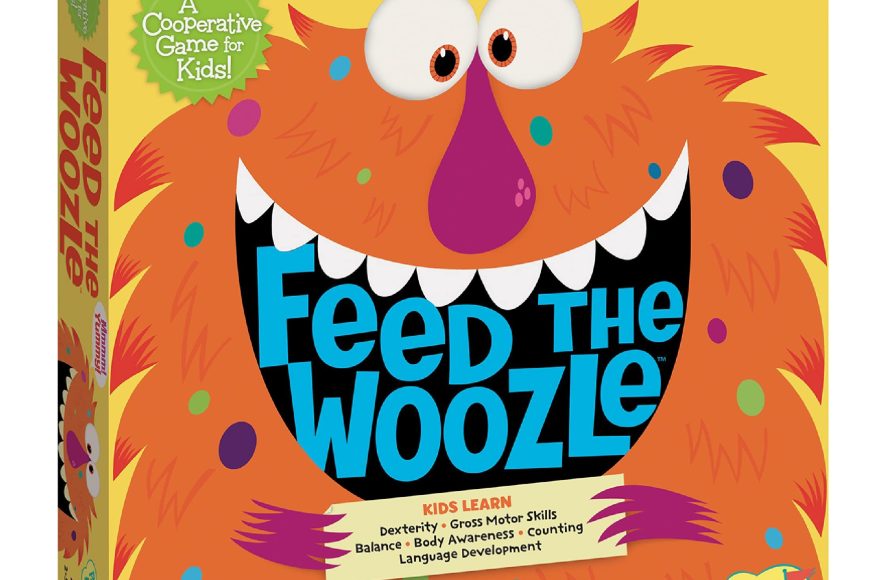
The ‘feed the woozle game’ helps children practice fine motor skills, number recognition, and following directions while having fun with a silly monster.
Want a playful way to boost your child’s developmental skills?
The feed the woozle game might be just what you need. This cooperative game helps little ones develop crucial skills while giggling.
It focuses on fine motor skill development, number learning, and understanding how to follow instructions. Plus, it involves feeding a funny monster!

Feed the Woozle Game: A Deep Dive
Feed the Woozle is a delightful game designed to engage young children. It focuses on developing crucial skills through playful activities. Let’s explore the various facets of this engaging game.
What is Feed the Woozle?
Feed the Woozle is a popular cooperative game often found in preschool classrooms and homes. The game’s primary goal involves working together to feed the friendly Woozle a specific number of silly snacks.
Players take turns spinning a spinner and feeding the Woozle the indicated number of snacks. The emphasis lies on collaboration rather than competition.
The Educational Benefits of Feed the Woozle
Feed the Woozle offers many educational benefits for young children. It fosters important developmental skills in a fun and engaging way.
Gross Motor Skills: Picking up the snacks and moving them to the Woozle’s mouth encourages gross motor development. Children practice hand-eye coordination.
Fine Motor Skills: Graspping smaller snacks refines fine motor skills. The game supports dexterity and hand strength.
Counting Skills: Children learn to count as they spin the spinner and count out the snacks. They reinforce number recognition.
Social Skills: Cooperative gameplay fosters teamwork and communication. Children learn to share and take turns.
Following Directions: The game requires children to listen to and follow simple instructions. This builds receptive language skills.
Components of the Feed the Woozle Game
A standard Feed the Woozle game usually includes several key components. Understanding these parts helps in setting up and playing the game effectively.
The Woozle: A friendly-looking monster character with a large mouth. The Woozle is the central figure around which the game revolves.
Silly Snacks: Colorful and whimsical snack pieces for feeding the Woozle. These snacks can take various fun shapes.
Spinner: A spinner to determine how many snacks each player needs to feed the Woozle. Spinners often feature numbers or symbols.
Game Board (Optional): Some versions include a game board that adds an extra layer of engagement. The board may involve movement and challenges.
Instructions: Clear and concise instructions to guide gameplay. The instructions usually outline the rules and objectives.
How to Play Feed the Woozle
Playing Feed the Woozle is straightforward, making it accessible for young children. Here’s a simple breakdown of the gameplay.
1. Setup: Place the Woozle in the center of the playing area and arrange the snacks within reach. Ensure the spinner is easily accessible to all players.
2. Taking Turns: Players take turns spinning the spinner.
3. Feeding the Woozle: The spinner indicates how many snacks the player should feed the Woozle.
4. Cooperation: Encourage players to help each other count and feed the Woozle. Work together to reach the target number of snacks.
5. Winning: The game is won when the Woozle has been fed the required number of snacks. Celebrate the collaborative effort!
Variations of Feed the Woozle
Several variations of Feed the Woozle exist, offering different levels of complexity and engagement. These variations can keep the game fresh and exciting.
Basic Version: The standard game with simple spinning and feeding. This is ideal for very young children just learning the basics.
Advanced Version: Incorporates a game board with spaces and challenges. This version adds a layer of strategic thinking.
DIY Version: Creating your own Woozle and snacks using craft materials. This fosters creativity and customization.
DIY Feed the Woozle: A Creative Project
Making your own Feed the Woozle game is a fun and educational project. It provides an opportunity to customize the game to your child’s interests.
Materials: You’ll need a box, paint, craft foam, and various craft supplies. Gather materials that are safe and appropriate for young children.
Creating the Woozle: Decorate the box to resemble a friendly monster. Cut out a large mouth for feeding the snacks.
Making the Snacks: Use craft foam or other materials to create colorful snacks. Get creative with the shapes and designs.
Designing the Spinner: Create a simple spinner with numbers or symbols. You can use cardboard and a brad.
Benefits: This DIY project encourages creativity, problem-solving, and fine motor skills. It offers a personalized gaming experience.
Feed the Woozle Snack Ideas
The snacks are a crucial part of the Feed the Woozle game. Get creative and use a variety of colorful and fun snack shapes.
Pom-poms: Soft and colorful pom-poms are great for tactile play. Ensure they are large enough to prevent choking hazards.
Craft Sticks: Decorate craft sticks with paint or markers. These are easy to handle and count.
Foam Shapes: Cut out fun shapes from craft foam. Stars, hearts, and circles are popular choices.
Buttons: Large, colorful buttons can add visual appeal. Supervise children closely to prevent swallowing.
Small Toys: Use small, lightweight toys as snacks. Cars, animals, and figurines can add imaginative play.
Adapting Feed the Woozle for Different Ages and Abilities
Feed the Woozle can be adapted to suit children of different ages and abilities. Customizing the game ensures everyone can participate and benefit.
Younger Children: Simplify the game by removing the spinner and focusing on free play. Allow them to simply feed the Woozle snacks.
Older Children: Add more complex challenges or rules. Incorporate a game board with obstacles and rewards.
Children with Special Needs: Modify the game to accommodate specific needs. Use larger snacks or visual aids.
Feed the Woozle and Math Skills
Feed the Woozle is a fantastic way to introduce and reinforce basic math skills. The game seamlessly integrates learning into play.
Number Recognition: Children learn to recognize numbers on the spinner. They associate numbers with quantities.
Counting: The game involves counting snacks and matching them to numbers. Children practice counting skills in a hands-on way.
One-to-One Correspondence: Children learn to match each snack to a number as they count. This reinforces one-to-one correspondence.
Addition: Introduce simple addition problems by combining snacks. “Feed the Woozle 2 snacks, then 1 more. How many is that?”
Subtraction: Introduce subtraction by taking snacks away from the Woozle. “The Woozle ate 3 snacks. How many are left?”
Feed the Woozle and Social-Emotional Development
Feed the Woozle promotes social-emotional development through cooperative play. The game encourages teamwork and communication.
Teamwork: Players work together to feed the Woozle. They learn to collaborate and support each other.
Communication: The game requires players to communicate and coordinate their actions. This builds verbal and non-verbal communication skills.
Turn-Taking: Players take turns spinning the spinner and feeding the Woozle. They learn the importance of waiting their turn.
Sharing: Players share the snacks and resources. This encourages generosity and empathy.
Problem-Solving: The game presents opportunities to solve problems together. Players learn to overcome challenges as a team.
Integrating Feed the Woozle into the Classroom
Feed the Woozle is a valuable addition to any preschool or kindergarten classroom. It can be used to support various learning objectives.
Math Centers: Include Feed the Woozle in a math center to reinforce counting skills. Provide manipulatives and worksheets to supplement the game.
Literacy Centers: Use Feed the Woozle to promote literacy skills. Create labels for the snacks and encourage children to read them.
Social Skills Activities: Incorporate Feed the Woozle into social skills activities. Focus on teamwork, communication, and cooperation.
Free Play: Allow children to play Feed the Woozle during free play time. This encourages exploration and creativity.
Themed Activities: Adapt Feed the Woozle to match different themes. Change the snacks and the Woozle’s appearance to fit the theme.
Creative Ways to Enhance Feed the Woozle Gameplay
There are many creative ways to enhance Feed the Woozle gameplay. Adding new elements and challenges can keep the game engaging and exciting.
Storytelling: Create a story around the Woozle and the snacks. This adds a narrative element to the game.
Sound Effects: Incorporate sound effects to make the game more immersive. Use musical instruments or vocal sounds.
Obstacle Course: Create an obstacle course that children must navigate to feed the Woozle. This adds a physical challenge to the game.
Reward System: Implement a reward system for completing the game. This motivates children to work together and achieve their goals.
Role-Playing: Encourage children to role-play as the Woozle or the snack feeders. This promotes imagination and creativity.
The Psychology Behind Feed the Woozle’s Success
Feed the Woozle’s success can be attributed to several psychological factors. The game taps into children’s natural desires for play and social interaction.
Cooperation: The cooperative nature of the game reduces competition and promotes teamwork. This creates a positive and supportive environment.
Intrinsic Motivation: The game is inherently fun and engaging, which fosters intrinsic motivation. Children are motivated to play because they enjoy it.
Positive Reinforcement: The game provides positive reinforcement through praise and encouragement. This reinforces positive behaviors and attitudes.
Social Connection: The game promotes social connection and interaction. Children feel a sense of belonging and camaraderie.
Mastery: The game allows children to develop a sense of mastery and accomplishment. They feel proud of their ability to work together and achieve their goals.
Troubleshooting Common Issues with Feed the Woozle
Sometimes, you might encounter issues while playing Feed the Woozle. Here are some tips for troubleshooting common problems.
Snacks Too Small: If the snacks are too small, they may pose a choking hazard. Replace them with larger snacks or supervise children closely.
Spinner Not Working: If the spinner is not working properly, check for obstructions or damage. Replace the spinner if necessary.
Children Not Cooperating: If children are not cooperating, encourage them to communicate and work together. Remind them of the importance of teamwork.
Game Too Easy: If the game is too easy, add more challenges or rules. Increase the number of snacks required to feed the Woozle.
Game Too Difficult: If the game is too difficult, simplify the rules or reduce the number of snacks. Provide extra support and encouragement.
Online Resources for Feed the Woozle
Several online resources offer additional information and ideas for playing Feed the Woozle. These resources can enhance your understanding and enjoyment of the game.
Educational Websites: Websites like PBS Kids and Education.com offer resources and activities related to Feed the Woozle.
Parenting Blogs: Many parenting blogs feature articles and tips on playing Feed the Woozle. Search for blog posts with creative ideas and adaptations.
Online Communities: Join online communities and forums to connect with other parents and educators. Share your experiences and learn from others.
Video Tutorials: Watch video tutorials on YouTube for visual demonstrations and instructions. These tutorials can be helpful for understanding the gameplay.
Printable Resources: Download printable resources like game boards and snack templates from various websites. These resources can enhance your DIY projects.
Extending the Learning Beyond the Game
The learning that occurs during Feed the Woozle can be extended beyond the game itself. Use the game as a springboard for other educational activities.
Counting Activities: Engage in other counting activities throughout the day. Count objects, people, and sounds.
Number Recognition Activities: Practice number recognition with flashcards and worksheets. Play number games and sing number songs.
Social Skills Activities: Reinforce social skills through role-playing and discussions. Talk about the importance of teamwork, communication, and empathy.
Creative Activities: Encourage creativity through art, music, and drama. Provide opportunities for children to express themselves.
Problem-Solving Activities: Present children with problem-solving challenges. Encourage them to think critically and find solutions.
The Future of Cooperative Games Like Feed the Woozle
Cooperative games like Feed the Woozle are becoming increasingly popular. They offer a refreshing alternative to competitive games.
Emphasis on Collaboration: Cooperative games emphasize collaboration and teamwork. This promotes positive social interactions and relationships.
Reduced Competition: Cooperative games reduce competition and stress. This creates a more relaxed and enjoyable gaming experience.
Focus on Shared Goals: Cooperative games focus on shared goals and objectives. This encourages players to work together towards a common purpose.
Development of Social Skills: Cooperative games help develop important social skills like communication, empathy, and conflict resolution.
Increased Accessibility: Cooperative games are often more accessible to children with diverse abilities. They can be adapted to meet individual needs and learning styles.
Feed the Woozle: A Cooperative Game by Peaceable Kingdom
Final Thoughts
Feed the Woozle Game is a fantastic tool for early math skills and turn-taking. The silly nature of feeding a pretend monster makes learning enjoyable. Children develop important skills while having fun.
This game encourages cooperation and can be modified for different skill levels. Parents must introduce this game to their children. It’s a valuable addition to any family game collection.

