
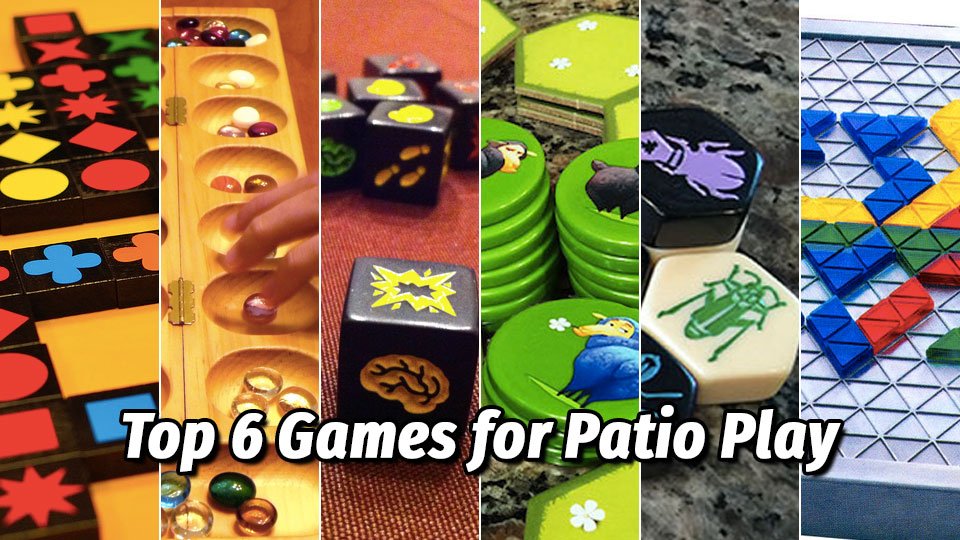
If you enjoy Qwirkle’s blend of pattern recognition and tile-laying, you might like games similar to Qwirkle such as Set, Tantrix, or even abstract strategy games like Ingenious, offering similar spatial reasoning challenges.
Here’s the response:
Enjoy the satisfying click of placing the perfect tile in Qwirkle? That game’s mix of simple rules and strategic depth makes it a winner for many. But what if you’re looking for something new with a similar feel? Let’s explore some games similar to Qwirkle.
Perhaps you crave a game offering similar visual appeal or strategic puzzle elements. Many titles capture that same accessible-yet-engaging spirit.
We’ll delve into games that test your pattern-recognition skills and strategic thinking. Prepare to expand your game night repertoire!

Games Similar to Qwirkle
Qwirkle is a fantastic abstract strategy game known for its simple rules and engaging gameplay. It’s easy to learn but offers surprising depth. Many players enjoy the tile-laying and pattern-building aspect.
So, what other games offer a similar experience? Let’s explore some great alternatives that capture the essence of Qwirkle while adding their own unique twists. These games focus on pattern recognition, strategic thinking, and spatial reasoning.
Tile-Laying Alternatives
Many games capture the essence of Qwirkle through tile-laying mechanics. These games often involve creating patterns, scoring points based on those patterns, and strategically blocking your opponents.
Azul
Azul is a beautiful and elegant tile-laying game. Players draft tiles from factories to decorate their palace walls.
Strategic Tile Drafting: You must carefully choose which tiles to take and which to leave for your opponents.
Pattern Building: The game involves completing rows and columns on your player board for points.
Negative Points: Wasted tiles can lead to negative points, adding a risk-reward element.
Kingdomino
Kingdomino is a quick and accessible tile-laying game where players build their own kingdoms. Each turn, players select dominoes that determine the type of terrain they add to their kingdom.
Domino Selection: The order in which you choose dominoes determines your turn order in the following round.
Terrain Scoring: You score points for connected territories of the same type, multiplied by the number of crowns within that territory.
Kingdom Size Limit: Players must adhere to a 5×5 grid, forcing strategic decisions about kingdom layout.
Patchwork
Patchwork is a two-player game where players compete to create the most aesthetically pleasing (and point-filled) quilt. Players acquire Tetris-like patches of cloth and sew them onto their individual quilt boards.
Button Economy: Buttons serve as both currency and victory points, creating a constant tension.
Time Track: The player who is furthest behind on the time track takes the next turn, adding a unique strategic element.
Patch Placement: Carefully placing patches to minimize gaps is crucial for maximizing your score.
Pattern-Building Alternatives
These games emphasize the importance of recognizing and creating patterns. Similar to Qwirkle, they require players to think ahead and plan their moves carefully.
Set
Set is a fast-paced card game that focuses on visual perception and pattern recognition. Players race to identify “sets” of three cards that meet specific criteria.
Rapid Recognition: Players must quickly scan the cards to find sets.
Simultaneous Play: All players search for sets at the same time, creating a competitive atmosphere.
Four Attributes: Each card has four attributes (color, number, shape, and shading), and a set must be either all the same or all different for each attribute.
Ticket to Ride
Ticket to Ride involves collecting and placing train cars on a map to connect cities and complete destination tickets. While not strictly a pattern-building game, the act of claiming routes and creating networks shares similarities with Qwirkle’s strategic layout.
Route Claiming: Players collect colored train cards to claim routes between cities.
Destination Tickets: Secret destination tickets award bonus points for connecting specific cities.
Route Blocking: Players can strategically block their opponents from completing their routes.
Tsuro: The Game of the Path
Tsuro is a simple and elegant tile-laying game where players guide their stones along paths on a grid. The goal is to be the last player remaining on the board.
Path Creation: Players place tiles with pre-drawn paths, extending their own paths and potentially colliding with others.
Elimination: If a player’s path leads them off the edge of the board, they are eliminated.
Strategic Placement: Players must carefully consider the placement of their tiles to avoid being eliminated.
Abstract Strategy Alternatives
These games, like Qwirkle, rely on abstract thinking and strategic planning. They often feature simple rules but offer complex gameplay.
Ingenious
Ingenious is an abstract strategy game where players place colored dominoes to score points in six different colors. Players score points for each color based on the number of connected dominoes of that color.
Dual Scoring: Players must balance their scores across all six colors, as their lowest score determines their overall ranking.
Chain Reactions: Placing a domino can trigger chain reactions, allowing players to score multiple points in a single turn.
Strategic Blocking: Players can strategically block their opponents from scoring points in specific colors.
Blokus
Blokus is a spatial reasoning game where players place Tetris-like pieces on a board, trying to fit as many of their pieces as possible. Pieces can only be placed corner-to-corner with other pieces of the same color.
Spatial Planning: Players must carefully plan the placement of their pieces to maximize their coverage of the board.
Blocking Strategy: Players can strategically block their opponents by placing pieces in their way.
Limited Pieces: Each player has a limited number of pieces, so efficient placement is crucial.
Pentago
Pentago is a two-player abstract strategy game played on a board divided into four rotating quadrants. Players place marbles on the board and then rotate one of the quadrants, changing the board state.
Dynamic Gameplay: The rotating quadrants add a dynamic element to the gameplay.
Five in a Row: The goal is to be the first player to get five marbles in a row.
Strategic Rotations: Players must strategically rotate the quadrants to create opportunities for themselves and block their opponents.
Card Game Alternatives
If you enjoy the pattern-matching aspect of Qwirkle but prefer card games, there are some excellent options.
Sushi Go!
Sushi Go! is a fast and fun card drafting game where players collect sets of sushi to score points. The game involves passing hands of cards around the table, allowing players to collect specific sets.
Card Drafting: Players must choose carefully which cards to keep and which to pass on.
Set Collection: Players score points for collecting specific sets of sushi.
Fast-Paced Gameplay: The game is quick and easy to learn, making it a great option for casual players.
Hanabi
Hanabi is a cooperative card game where players work together to create a spectacular fireworks display. Players hold their cards facing away from themselves, relying on clues from their teammates to play the cards in the correct order.
Cooperative Gameplay: Players must work together to succeed.
Limited Information: Players cannot see their own cards, adding a unique challenge.
Clue Giving: Players give each other clues about the cards in their hands.
Family Game Alternatives
These games are suitable for families and players of all ages, just like Qwirkle. They are easy to learn and offer engaging gameplay.
Sequence
Sequence is a strategy board game that combines elements of card games and board games. Players place markers on the board corresponding to the cards they hold, aiming to create sequences of five in a row.
Card Matching: Players must match the cards in their hand to the spaces on the board.
Sequence Creation: The goal is to create sequences of five in a row.
Strategic Blocking: Players can strategically block their opponents from completing their sequences.
Ticket to Ride: First Journey
Ticket to Ride: First Journey is a simplified version of Ticket to Ride, designed for younger players. It retains the core mechanics of route claiming and destination tickets but with a simpler map and rules.
Simplified Rules: The rules are easier to understand, making it accessible to younger players.
Shorter Gameplay: The game is shorter than the original Ticket to Ride.
Colorful Components: The game features colorful train cars and a visually appealing map.
Games with Similar Cognitive Skills
Qwirkle engages several cognitive skills, including pattern recognition, spatial reasoning, and strategic thinking. These games also emphasize these skills.
Ubongo
Ubongo is a fast-paced puzzle game where players race to solve spatial puzzles using Tetris-like pieces. The first player to solve the puzzle wins a gem.
Spatial Reasoning: Players must quickly visualize how the pieces fit together.
Time Pressure: The game is played against the clock, adding a sense of urgency.
Variable Difficulty: The puzzles come in varying levels of difficulty.
Carcassonne
Carcassonne is a tile-laying game where players build a medieval landscape by placing tiles featuring roads, cities, cloisters, and fields. Players then place meeples on these features to score points.
Strategic Placement: Players must strategically place their tiles to create valuable features and block their opponents.
Meeple Management: Players have a limited number of meeples, so efficient placement is crucial.
Variable Scoring: Features score points at different times throughout the game.
Edition Comparisons: Qwirkle Variants
Qwirkle has several variations that offer unique twists on the original gameplay. Understanding these variations can help you find the perfect Qwirkle experience.
Qwirkle Travel
Qwirkle Travel is a compact version of the original game. It’s designed for easy portability, making it ideal for travel.
- Smaller Tiles: The tiles are smaller than the original Qwirkle tiles.
- Travel Case: It comes with a convenient travel case for easy storage and transport.
- Same Gameplay: The gameplay is identical to the original Qwirkle.
Qwirkle Cubes
Qwirkle Cubes introduces dice into the mix. Players roll dice with different shapes and colors and try to create Qwirkles.
- Dice Rolling: Players roll dice instead of drawing tiles.
- Faster Gameplay: Games tend to be shorter and faster-paced.
- Increased Luck: The element of dice rolling introduces more luck into the game.
Qwirkle Trio
Qwirkle Trio offers a streamlined experience. It focuses on creating trios of matching shapes or colors.
- Simplified Gameplay: The rules are simpler than the original Qwirkle.
- Faster Turns: Games are quick and easy to learn.
- Good for Beginners: Excellent starting point for those new to the Qwirkle series.
How to play Qwirkle
Final Thoughts
If you enjoyed the blend of strategy and pattern recognition in Qwirkle, several other games offer a similar experience. Qwirkle challenges players to build lines and columns of matching colors or shapes. It is a must for anyone who likes tile-laying games.
Consider games such as Scrabble Tiles, which involves word building and strategic placement. Other options like Sequence offer a different type of pattern-building challenge.
In short, if you’re searching for games similar to qwirkle, explore options that emphasize pattern recognition and strategic tile placement. These alternatives provide similar satisfaction.

