
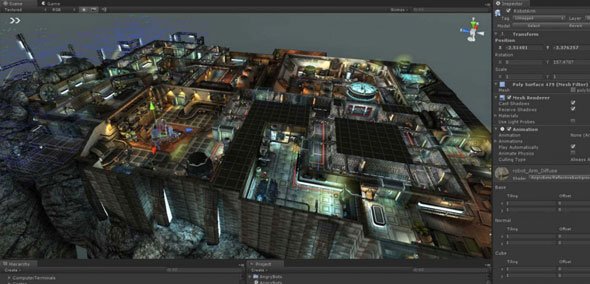
Creating games involves a process of coding, designing art assets, composing music, and rigorous testing, all working together to deliver a playable experience.
Ever wondered how are games made? The process isn’t magic; it’s a blend of creative talent and technical skill. Teams of artists, programmers, and designers collaborate, each contributing a vital piece to the puzzle.
From initial concepts to the final polished product, the development journey includes writing code, crafting visuals, and composing sound effects. Testing plays a huge role in ensuring everything works together seamlessly before it’s released.

How Are Games Made?
Ever wondered how your favorite video games come to life? It’s not magic, but it sure feels like it sometimes! Making a game is a big job, kind of like building a house but with more code and cool art. It involves lots of different people working together, each with their own special skills. Let’s dive into the exciting world of game development and see how it all works.
The Game Development Team: Who Does What?
Creating a video game needs a team of talented individuals. Think of them as the different pieces of a puzzle that all fit together to make the final picture. Here are some of the key roles:
Game Designers
These are the idea people! They dream up the game’s story, its characters, the levels you explore, and the rules you follow. They decide what makes the game fun and challenging. Game designers write detailed documents called “design documents” that explain every part of the game. They’re like the architects of the gaming world, creating blueprints for the experience.
- They decide the overall theme and genre of the game.
- They plan the gameplay mechanics, like how characters move and interact with the environment.
- They design the game’s levels and challenges.
- They also figure out the rules and systems for players to follow.
Game Artists
These are the visual wizards who bring the game to life. They create everything you see on the screen, from the characters to the environments, using special software. They make sure the game looks good and fits the style the designers want. There are different types of game artists:
- Concept Artists: Draw sketches and create ideas for how characters, environments, and objects will look.
- 3D Modelers: Build three-dimensional models of characters, objects, and environments using computer software.
- Texture Artists: Add details to 3D models, such as colors, patterns, and surfaces (like wood, metal, or fabric).
- Animation Artists: Bring characters and objects to life by making them move smoothly and realistically.
- UI/UX Artists: Design the user interface (UI) and user experience (UX). That includes menus, buttons, and any other elements a player interacts with.
Game Programmers
These are the coders who make the game actually work. They take the design ideas and the art and turn them into code that the computer can understand. They create the game’s logic, making sure characters move, objects interact, and everything runs correctly. Programmers use various computer languages like C++, C#, or Java.
- They write code for character movement, physics, artificial intelligence, and game logic.
- They make sure the game runs smoothly without bugs or glitches.
- They often work with specific game engines and programming tools.
Audio Engineers and Composers
These are the sound makers! They create all the sounds you hear in the game, from music and sound effects to character voices. They create immersive experiences by crafting sounds that complement the visuals. Audio engineers make sure all audio sounds clear and balanced, while composers create original music for the game.
- They compose background music, also known as soundtracks, that fits the mood and style of the game.
- They create sound effects for actions, explosions, footsteps, and other in-game events.
- They also record voice acting for characters.
Game Producers
These are the project managers who keep everything on track. They make sure everyone on the team is working together efficiently and that the game is completed on time and within budget. They handle schedules, budgets, and communication with different team members. They are like the captains of the ship, guiding the development process.
- They manage the budget and schedule for the game’s development.
- They make sure all team members have the resources they need to do their jobs.
- They handle communication between different teams and the game company.
Quality Assurance (QA) Testers
These are the bug hunters! They play the game repeatedly to find any bugs, glitches, or problems. They test all aspects of the game to ensure a smooth and enjoyable experience for players. They report any issues to the programmers, who fix them. QA testers help make sure the game is fun and polished before it’s released to the public.
- They play the game thoroughly to find any problems, from glitches to typos.
- They write detailed reports about the bugs or issues they find.
- They help developers make sure the game is fun and works smoothly.
The Game Development Process: From Idea to Release
Making a game is not a quick job. It’s a journey that goes through several stages. This process, known as the game development life cycle, ensures a well-crafted and fun game.
Concept Phase
This is where it all begins! The game designers come up with the initial idea for the game. They decide what kind of game it will be, who the characters are, what the story is, and how the game will play. They create a game design document that outlines all of these important details. They also research similar games, what players like, and try to create a unique experience. This phase is like planting the seed for your game.
Pre-Production Phase
Once the concept is ready, the team starts to plan how to turn this concept into a real game. Artists create concept art, and programmers start thinking about the technology they will use. This is like the planning phase of building a house; it involves creating layouts and deciding what type of materials you need. Here’s what happens during this phase:
- The team figures out which game engine to use (like Unity or Unreal Engine).
- They make a rough prototype of the game to test the core gameplay mechanics.
- They create the initial design documents for story, characters, and levels.
- They decide the overall art style and create concept art and early character models.
Production Phase
This is where the actual game-making happens. Artists create the final assets, like characters and environments; programmers write the code that makes the game work; and sound engineers add the music and sound effects. It’s like the construction phase of building a house, where all the different pieces of the puzzle come together. It’s the longest part of the development cycle and includes:
- Artists create all the in-game assets: characters, environments, props, menus, etc.
- Programmers write the game’s code, adding functionality to characters and environments.
- Sound engineers create and implement music and sound effects.
- Level designers create the levels based on the planned game design.
Testing Phase
As the game is being built, the QA testers start playing it. They test every part of the game to find any bugs, glitches, or issues that need to be fixed. They play the game in different ways to see how it reacts. This is like inspecting a house after it’s been built, making sure everything is working correctly. Testers also help improve the game’s overall experience. This testing phase includes:
- QA testers play through the game multiple times, exploring every part of the game to find glitches.
- They test the game on different devices (like computers, consoles, and phones).
- They write detailed reports on the bugs and issues they find.
- The development team fixes the issues reported by QA testers.
Release Phase
Finally, after all the hard work, the game is ready to be shared with the world! The game is released on different platforms (like Steam, PlayStation, Xbox, or the App Store). The team watches to see how people play it and may continue to update the game with bug fixes and new content. This is like finally getting to move into your new house after all the construction and testing. The release phase involves:
- The game is launched on different platforms or in retail stores.
- Marketing campaigns promote the game.
- The development team monitors player feedback and continues to provide game support and patch fixes as needed.
Tools and Technology: What Makes It Possible?
Game developers use a variety of tools and technology to bring their ideas to life. These tools help with everything from writing code to creating amazing artwork. Here are some of the essential tools:
Game Engines
These are the heart of the game development process. Game engines are like toolboxes that provide all the necessary tools and features for creating a game. Think of them as a construction site with all the right machinery. They provide pre-built systems for rendering graphics, physics, and sound, which saves developers a lot of time and effort. Some of the popular game engines are:
- Unity: A very versatile engine used for making games for many platforms, from mobile to console to PC.
- Unreal Engine: Known for its high-quality graphics and is often used for AAA games.
- Godot Engine: A free and open-source engine, popular for its simplicity and flexibility.
- GameMaker Studio: A user-friendly engine that’s great for 2D game development.
Programming Languages
Programmers need to speak the language of computers to make the game function properly. They write code using various programming languages that instruct the computer how to behave. Some of the common languages include:
- C++: A powerful and complex language used for building high-performance games.
- C#: Often used with the Unity game engine and is great for a variety of game types.
- Java: A popular language used in games, especially mobile games.
- Python: Used for game logic, tools, and often game scripting.
Art Software
Artists use special software to create all the visual elements of the game. These tools allow artists to create both 2D and 3D graphics. Here are some examples:
- Adobe Photoshop: Used for 2D artwork, texture creation, and editing images.
- Blender: A free and open-source program for creating 3D models, animations, and more.
- Autodesk Maya: A popular program for 3D modeling, animation, and visual effects.
- ZBrush: Used for creating highly detailed 3D models.
Sound Tools
Audio engineers and composers use software to create music and sound effects that enhance gameplay. Here are some of the tools they use:
- DAWs (Digital Audio Workstations) like Ableton Live, Logic Pro X, and Pro Tools: These are used for recording, editing, and mixing sound effects and music.
- Sound libraries: These contain pre-made sound effects that can be used in games.
- Synthesizers: Used for creating original music.
Different Kinds of Games, Different Approaches
The way a game is made can be very different based on what kind of game it is. A huge, open-world game, for example, will have different development steps compared to a small, simple mobile game. Let’s look at some of the different categories:
AAA Games
These are the big-budget, high-production games that usually come from major studios. They have lots of complex systems, detailed graphics, and long storylines. Think of games like “Grand Theft Auto,” “Assassin’s Creed,” or “The Last of Us.” These games involve large teams and can take several years to develop, often using motion capture for characters.
Indie Games
These are games made by smaller teams or individuals. They are often unique and innovative, and they focus on specific gameplay experiences. Indie games can be very creative and are often driven by passion more than profit. Examples include “Stardew Valley,” “Minecraft,” and “Hollow Knight.” These games often have simpler graphics, but their gameplay is just as great.
Mobile Games
These are games designed to be played on smartphones and tablets. They are usually smaller, more casual, and easy to pick up and play. Mobile games are made with user interfaces that are easy to use on touch screens. Examples include “Candy Crush Saga,” “Among Us,” and “Clash of Clans.” They often have a focus on short gameplay sessions.
Browser Games
These are games that you can play directly in your web browser, without downloading anything. They’re often simple, quick to play, and made with HTML5, Javascript, and WebGL technologies. They are a great way for beginners to get into game development and often focus on social interaction. Examples include classic flash games and web-based multiplayer experiences.
Creating a game is a journey that involves many different steps, skills, and people. It’s a process that combines creativity with technology. From concept to release, each stage requires careful planning and execution. By understanding how games are made, you can appreciate the effort and talent that goes into creating your favorite gaming experiences. The next time you play a game, remember all the work it took to bring that experience to life!
How Gamers Think Video Games Are Made…
Final Thoughts
Game development is a complex process. Developers use various tools and techniques. Coding is crucial, alongside art creation and sound design.
Teamwork makes game creation possible. They combine their skills to build game mechanics. Testing ensures the game functions well.
In essence, how are games made involves a collaborative blend of coding, art, and sound. These elements combine to form the interactive experiences we love. Understanding this process sheds light on the magic of games.

