
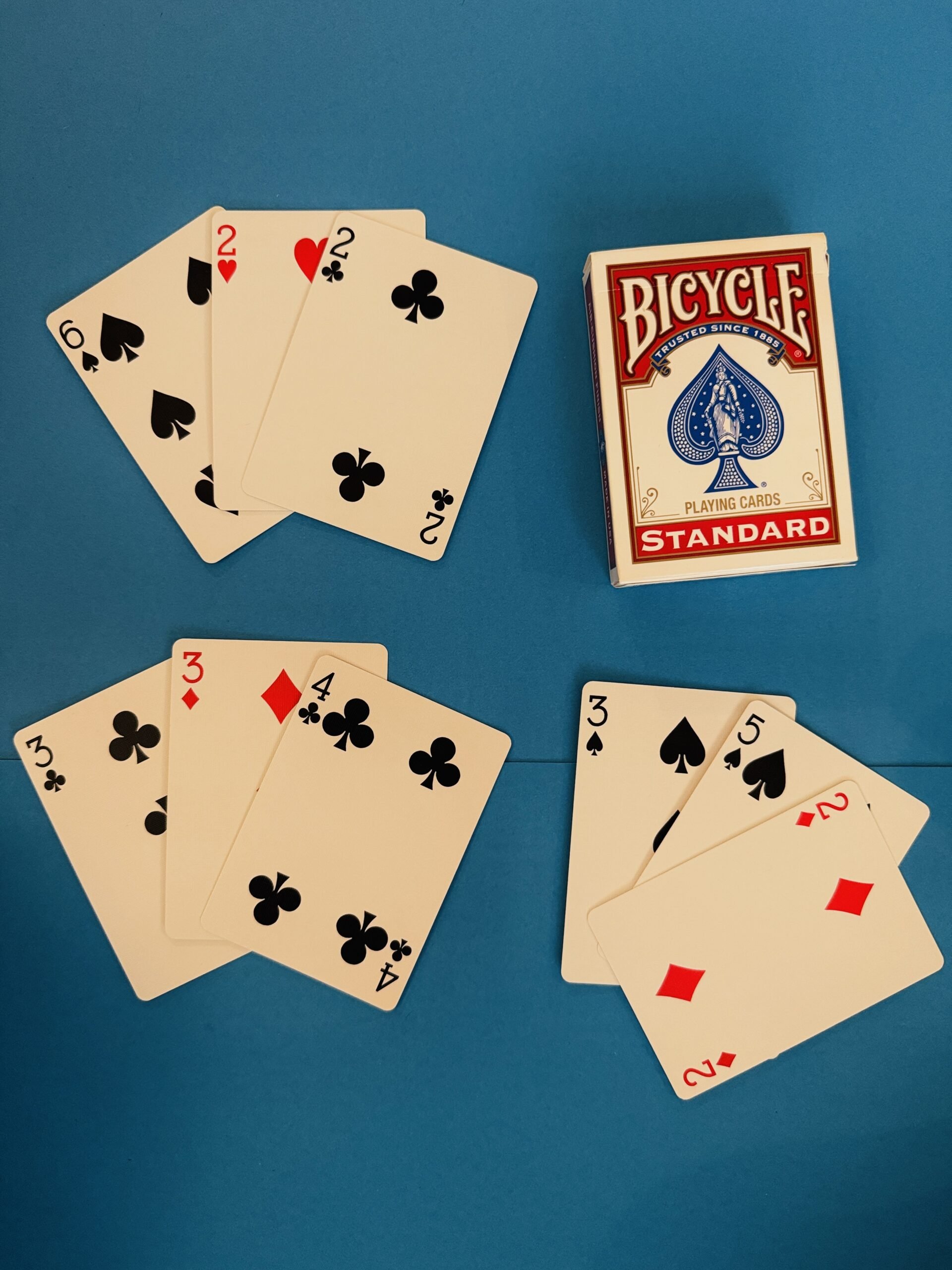
Card games where you compare cards often fall under the category of trick-taking games like Bridge or Whist, or games focused on value comparison like War.
Ever wondered what is the card game where you compare cards? It’s a common question, given the vast world of playing cards. Many popular games center on directly comparing the values or suits of cards. These games create tension as players try to outdo each other’s hands.
This simple concept of comparing cards is the core mechanic in many classic and modern card games. Think of games where you strive for the highest card or the best combination. Comparing cards provides a fun and engaging experience for players of all ages.

What is the Card Game Where You Compare Cards?
Ever shuffled a deck of cards and felt that exciting tingle of competition? That feeling probably comes from knowing that many card games revolve around the simple, yet thrilling, act of comparing cards. But, what does it actually mean when we talk about “comparing cards”? And what types of games use this mechanic? Let’s dive into the exciting world of card games where one card goes up against another!
The Basics of Comparing Cards
At its heart, comparing cards means looking at the values or suits of the cards in your hand (or on the table) and determining which card is “better” according to the specific rules of the game. This “better” can mean many things depending on the game. Sometimes, it’s about the highest number. Other times it’s about the suit. And in some games, it’s about combinations of cards. Think of it like a mini-battle where each card is a warrior, and the winner depends on the rules of the fight.
Here are some key elements usually involved in card comparison:
- Rank (or Value): Each card has a rank. This is often represented by a number (like 2, 3, 4, all the way to 10), or a face card (Jack, Queen, King), and the Ace can be high or low, depending on the game.
- Suit: Suits are the symbols on the cards: Clubs, Diamonds, Hearts, and Spades. Sometimes suits matter (like in Hearts or Bridge), and sometimes they don’t (like in War).
- Combinations: In some games, the comparison isn’t just about a single card. Instead, it’s about the combinations of cards, like pairs, three-of-a-kinds, or flushes.
Types of Games That Compare Cards
Now that we know what comparing cards means, let’s look at some examples of games that use this mechanic. You might be surprised at how many different ways this simple idea can be used!
High Card Wins Games
These games are the most straightforward. The player with the highest-ranking card wins the round. Let’s look at some common examples:
War
War is a classic, easy-to-learn game where two players each flip a card, and the higher card wins. If both players flip cards of the same rank, it’s “War,” where each player puts down three cards, and then flips another card. The player with the higher of those last cards wins the whole pile of cards. It continues until one player has all the cards. There is little strategy involved; It’s mostly down to luck, but fun!
How to Compare Cards in War:
- Highest card wins (Ace is usually high).
- Suits don’t matter.
- When a tie occurs (same rank), it leads to ‘War’
Casino
Casino is a very well know and enjoyable game that is played with standard deck of 52 playing cards. The main objective is to earn points by capturing cards from a layout of face up cards. A player has to play cards from their hand to capture those cards. The card comparison in this game is fairly easy as players use cards of same rank to capture cards from the layout of face up cards, and if a player’s card has a similar rank of other card(s), then a player gets to capture that card.
How to Compare Cards in Casino:
- Card of same rank, can capture other cards.
- The highest value in the combination of cards to be captured, is the card value needed to capture
Games Where Suits Matter
In some card games, the suit of the card also plays a role in card comparison. This means that even if two cards have the same rank, the suit can determine which one is “better.”
Hearts
In Hearts, the goal is to avoid taking points, which are given out when a player captures a heart card or the dreaded Queen of Spades. Players take turns playing a card into the middle, and the player who has the highest card in the suit that was led, wins the pile. But you always need to follow the suit if you have it, and you can only play a heart card after the first heart card has been played. The lowest hand wins in hearts, so unlike war and other similar card comparison games, the player does not want the highest cards!
How to Compare Cards in Hearts:
- The player who plays the highest ranked card of the lead suit wins.
- Hearts are all point-value cards.
- If there is no heart card then the lowest card generally wins.
Bridge
Bridge is a complex and highly strategic card game, but at its core, it uses card comparison. Players work in teams of two to win “tricks,” where each trick is a round of play. In Bridge, the ranking of the card and the suits are important. There are also bids that help players know how many tricks they think they can win using their current hands.
How to Compare Cards in Bridge:
- Highest card of the lead suit wins the trick
- Trump suit can override non-trump suit even if lower in rank
- Card ranks have a specific order (Ace is highest, followed by King, Queen, Jack, etc.).
Games with Card Combinations
Things get more complicated when we start looking at games where you need to create combinations of cards. It isn’t just about one single card anymore; it’s about how all your cards work together. Games like poker are a great example of this.
Poker
Poker comes in many forms, but in most varieties, players aim to make the best “hand” by combining five cards. These hands are ranked in a hierarchy, with the Royal Flush at the very top, followed by a Straight Flush, Four-of-a-kind, and so on. Understanding card combination is essential for Poker because a good combination beats a bad one!
How to Compare Cards in Poker:
- Specific card combinations (like pairs, straights, flushes, full houses, etc.) have a rank order, and combinations of a higher rank beat combinations of a lower rank
- When the hands are of same rank, the cards in the combination or highest card determines the winner.
Gin Rummy
Gin Rummy is another game where players compare card combinations. Players try to form “melds,” which are either sets of three or four cards of the same rank (like three 7s) or “runs” of three or more cards in the same suit (like 3, 4, 5 of hearts). The goal is to form these melds and have as few “deadwood” cards (cards that aren’t part of a meld) as possible.
How to Compare Cards in Gin Rummy:
- Players try to form sets or runs.
- The player with the lowest deadwood points (after discarding) wins the round
Strategic Thinking and Card Comparison
While many games involving card comparisons might appear to be just about luck, there is often a lot of strategy involved. Knowing when to play a high card, when to hold onto cards for a better combination, or when to try to draw a specific card requires some clever thinking. This is what makes card games so exciting. When you compare a hand in a poker game, the player with the highest ranked hand wins, but it can be more strategic, as players can bluff if they don’t have a good hand, or bet higher if they have a very good hand.
Card Comparison and Probability
Card comparison games often have a layer of probability to them. Understanding the odds of getting a certain card or the chances of another player having a better card adds depth to the experience. The more you play a card comparison game, the more aware of these elements you will become. With experience you can use probability to your advantage.
For example, in a game like Poker, understanding the probability of hitting a flush or a straight can guide your betting strategy. Knowing how many cards of a certain suit are left in the deck and using that to your advantage is an important element of card games.
Similarly, in Hearts, knowing the number of hearts that have been played can help you predict whether another player is holding the high point cards. So the probability of a card and the strategic comparison of cards go hand in hand.
The Joy of Simple Competition
At the end of the day, the simple act of comparing cards is the main ingredient of these card games. They provide us with some great enjoyment and an element of competition. It brings people together, and it’s a skill that people can improve on and feel like they are learning. It’s a way to have fun with family or friends, and learn strategy and probability in the process. Whether it’s the thrill of getting a high card in War, the strategy of a poker game, or avoiding taking points in Hearts, comparing cards is what brings joy and challenges to our game nights.
So, the next time you shuffle a deck of cards, remember the simple, yet exciting, concept of comparing cards. It’s more than just a way to play a game; it’s a way to connect, strategize, and enjoy the fun of friendly competition.
How Good is Drawing 2 Cards in Every Card Game?
Final Thoughts
Ultimately, many card games involve comparing card values. Games like War exemplify this simple mechanic, where players reveal cards to see who has the higher rank. This core comparison forms the heart of numerous card-based pastimes.
So, when wondering ‘what is the card game where you compare cards’, remember the core concept is widespread. It is a fundamental principle in countless fun and engaging card game experiences.

