
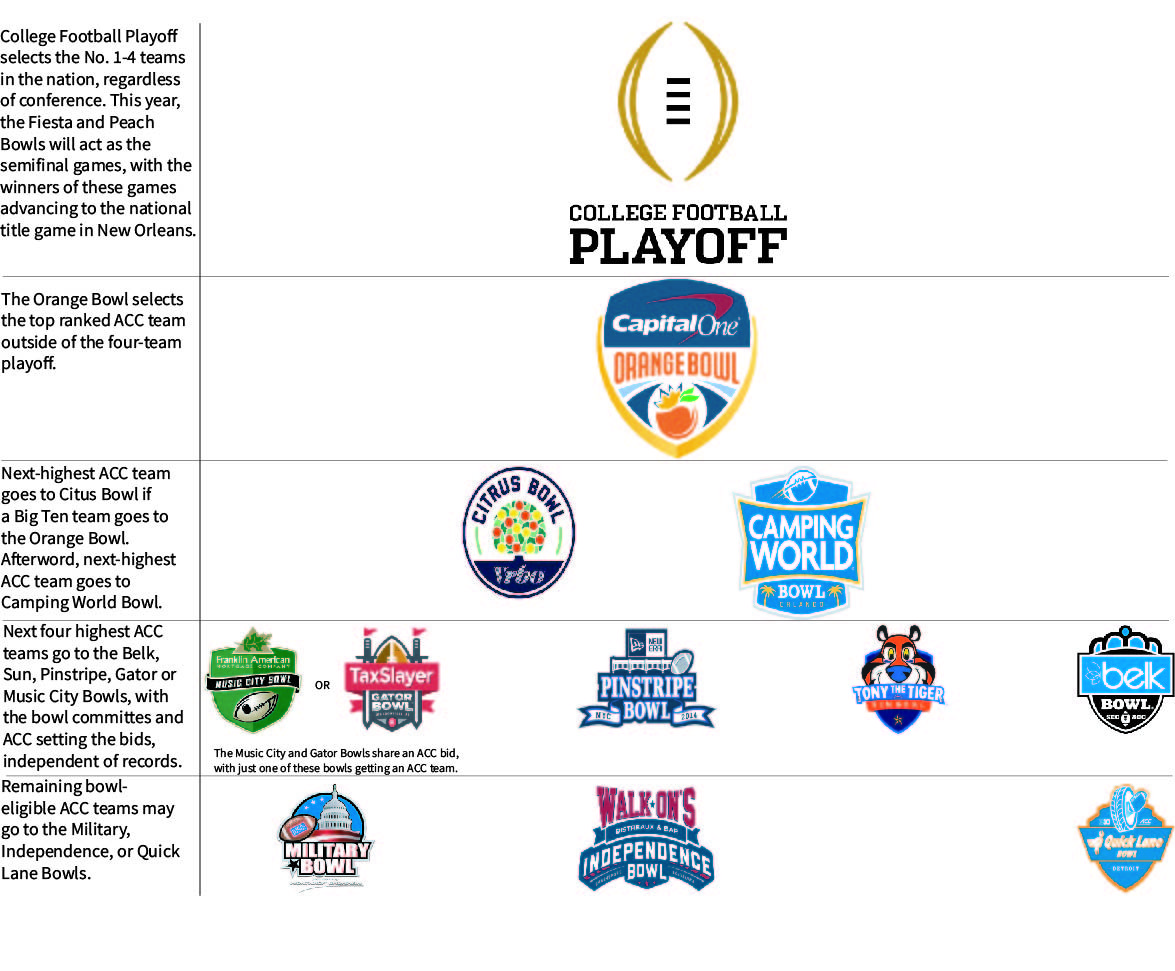
Teams are selected for bowl games based on a combination of factors, including their win-loss record, conference affiliations, and pre-existing contractual agreements with specific bowls.
Ever wondered about the process behind those exciting college football bowl games? It’s not simply about who has the best record, as a lot more goes into it. The question of how are teams selected for bowl games actually has some fascinating layers.
Various bowl committees and conferences collaborate to make these selections. The process involves a mix of automatic qualifiers for conference champions and at-large bids for other teams with winning records. Bowl tie-ins also play a significant role in shaping the final lineup.

How Are Teams Selected for Bowl Games?
Getting to play in a college football bowl game is a big deal! It’s like the championship game at the end of the regular season, but for more than just the very best teams. But how do colleges actually get chosen to play in these exciting games? It’s not just about having the best record; there’s a whole process. Let’s explore how college football teams earn their spots in bowl games, making sure that you understand all the parts of this cool selection process. We’ll go through the different rules, who makes the decisions, and even some of the things that make the whole process a bit tricky.
The Basics: Understanding Bowl Eligibility
Before we dive into selection specifics, let’s talk about bowl eligibility. Think of it as the first hurdle a team must clear. To be considered for a bowl game, a team needs to win a certain number of games during the regular season. The general rule is that teams must achieve a minimum of six wins to become bowl eligible. This is usually from a twelve game schedule, so the threshold is pretty high. Winning six games shows you are a pretty good team.
Why Six Wins?
That six-win number isn’t just pulled from the air. It helps to make sure the teams playing in bowls are actually competitive and had a pretty good year. It weeds out the teams that struggled a lot during the regular season. So the number ensures that bowl games offer interesting and exciting matchups for viewers. However, the number of teams with 6+ wins often exceeds the available bowl spots, leading to the selection process we’ll examine next.
Conference Tie-Ins: The Power of Agreements
A major part of how teams are selected involves something called “conference tie-ins.” Think of these as prearranged agreements between bowl games and specific athletic conferences. Each conference, like the SEC, Big Ten, or Pac-12, has a list of bowl games they have agreements with. When a team wins a certain number of games, these agreements help determine which bowl games they will have a chance to play in. These tie-ins are often based on conference standings, meaning that the highest-ranked team in the conference will often get first pick of the bowls their conference is tied to.
It’s a bit like choosing your teams when playing a video game, where some teams are predetermined to play specific ones. Here’s how it usually works:
- Tiered System: Many conferences have a tiered system, where the highest-ranked team gets to go to the best available bowl game, while the next-highest gets the next best, and so on. It’s a bit like a draft!
- Specific Matchups: Some tie-ins are also about the rivalry or a regional draw. Sometimes a game wants specific teams to play in order to attract more fans or better television ratings.
- Pre-existing Relationships: These are usually based on long-standing relationships between the conferences and bowl organizers.
How Tie-ins Impact Selection
These agreements have a big impact on selection, because they greatly influence the kinds of bowl games the teams have a chance to participate in. These agreements, in fact, can become complex, influencing which teams get chosen when the number of eligible teams surpasses the available spots. For example, a good team in the SEC might be guaranteed a New Years Six Bowl, while the second or third best SEC teams might go to the Citrus Bowl or the Gator Bowl.
The Selection Committees: The Real Decision Makers
While bowl tie-ins dictate a great deal of the selection process, they are not the only ones involved. These committees have big responsibility over which teams get to play in the big-time bowl games. For the College Football Playoff (CFP), it’s a group that consists of athletic directors, former coaches, and other college football experts. For the rest of the bowl games, the selection committees are comprised of representatives from the individual bowl game and sometimes conference representatives. They all have the responsibility to choose the teams that will make their bowl games memorable, exciting, and profitable.
The CFP Selection Committee
The most important group is the College Football Playoff Selection Committee. This group, consisting of 13 individuals, decides which teams participate in the four prestigious CFP semifinal games, the national championship game, as well as the other “New Year’s Six” bowl games. They look at a range of data and factors.
- Team Records: How many games did they win and lose?
- Strength of Schedule: How tough were the teams they played?
- Head-to-Head Results: If two teams played each other, who won?
- Conference Championships: Did a team win their conference?
- Eye Test: How well does a team look on the field? This is more subjective, but it’s still considered.
They also must consider injuries and the general trends of a given team. Their decision is not just about ranking teams but about putting together the most compelling matchups.
Bowl Game Committees
Besides the CFP committee, most bowl games have their own selection committees. While they usually follow the tie-in guidelines, they also have some freedom to decide which teams are the best fit for their particular bowl game. These committees consider a variety of elements:
- Geographical Proximity: Bowl games often consider location, as it’s easier for teams to travel short distances with their fans.
- Fanbase Appeal: A big, enthusiastic fanbase can result in larger attendance and more revenue, which bowl games like very much.
- Team Storylines: Interesting story lines, like a team on a winning streak, or a senior quarterback playing in his final game, are important to selection committees.
- Recent Performance: A team’s most recent play can make them more or less attractive.
The Impact of Team Rankings
Team rankings, like the ones from the Associated Press (AP) Poll, the Coaches Poll, and the CFP rankings, play a significant role in the bowl selection process. These rankings are not the sole factor but it’s a crucial part of the evaluation by both the CFP committee and individual bowl game committees.
How Rankings are Made
- The AP Poll: This poll is voted on by sportswriters and journalists.
- The Coaches Poll: College football coaches vote on this poll.
- The CFP Rankings: The CFP committee releases these rankings weekly during the season and are the ones used for the College Football Playoffs.
These rankings give the committees a clear look at how strong each team has been during the season, and helps them understand how the teams compare to one another. These ratings provide a baseline for evaluating the teams and their performance throughout the season.
How Rankings Affect Bowl Selection
Rankings do not guarantee a bowl game slot, but they do determine a lot of things. Top-ranked teams are usually the first selected for the most prestigious bowl games. Lower-ranked, but still bowl-eligible teams, are selected afterward depending on the various bowls and their tie-ins.
The Role of At-Large Bids
Not all bowl game spots are filled through conference tie-ins. There are some slots known as “at-large” bids, which means there are open spots not allocated to a specific conference. This is where teams from smaller conferences or those that didn’t finish high enough to gain a slot based on their conference tie-in get a chance. These at-large bids bring an extra level of drama to bowl selections, as they are often highly competitive.
How At-Large Bids Work
When there are more bowl-eligible teams than available slots, the committees might look at the remaining teams and select a few for these open spots. Here are the main things they might be looking for:
- Record: Teams that have performed well, but not quite good enough to get automatic tie-in spots, are likely candidates.
- Matchups: Games want a compelling and popular matchup that fans want to watch.
- Geographic Appeal: A team with a strong fan presence that is located close to a specific bowl can sometimes be selected.
- Storylines: Just like with tie-in selections, the committees will look for any team with an interesting storyline that will generate national interest.
These bids offer a chance for underdog teams to experience the bowl game excitement and also create interesting, unexpected matchups.
The Complexity of the Bowl System
The process of selecting teams for bowl games is not always cut and dry. It’s complex, with many moving parts and factors. All of this means that the teams that do get to play are chosen based on their performance, their fanbases, the story lines, and a lot of behind-the-scenes deal making. This means that some teams that have really good records don’t necessarily play in as high level bowl games as some teams with a slightly worse record. Understanding how all the pieces work together makes it much easier to appreciate the bowl game process. It also means that sometimes teams don’t make a bowl, despite being bowl eligible. This happens when there simply aren’t enough bowl spots to go around.
Factors That Make Selection Tricky
- Number of Bowl-Eligible Teams: There are often more teams that have won at least six games than bowl spots available.
- Conference Realignment: When conferences add or drop teams, it changes tie-ins and makes selection more complex.
- Changing Rules: The rules for bowl eligibility and selection can change over time, making it a challenge to keep track.
- Subjective Factors: Some decisions are based on the “eye test” or other subjective opinions of selection committee members.
Understanding this complexity means understanding that not every decision will be universally accepted and that the selection process can be controversial. This controversy often leads to changes in how bowls are selected, which can, in turn, make the process even more complicated for the next year.
The Future of Bowl Selections
The bowl selection process is not a static one; it is constantly evolving. With changes in college football, such as conference realignments, the expansion of the College Football Playoff, and new ways of measuring team performance, bowl selection continues to adapt. This means the way that teams are selected to play in bowl games will likely continue to change in the coming years. It’s important to stay updated as these changes could impact which teams you see in the bowls.
Ultimately, the bowl game selection process is a mix of rules, agreements, rankings, and judgments, all designed to create exciting and interesting games for college football fans. It makes the end of the college football regular season that much more interesting and thrilling. By knowing how teams get selected, you can enjoy the games even more, knowing how these college athletes earned their spot in each game.
How the NFL playoff picture works | Road to the Super Bowl
Final Thoughts
Bowl game selection depends on team win records and conference affiliations. Conferences have tie-ins to specific bowls; successful teams get prioritized. Some bowls use at-large selections to fill remaining spots, considering factors like ranking and fan base size.
Ultimately, how are teams selected for bowl games? It involves a combination of meeting minimum win totals, fulfilling conference obligations, and strategic choices by bowl committees.

