
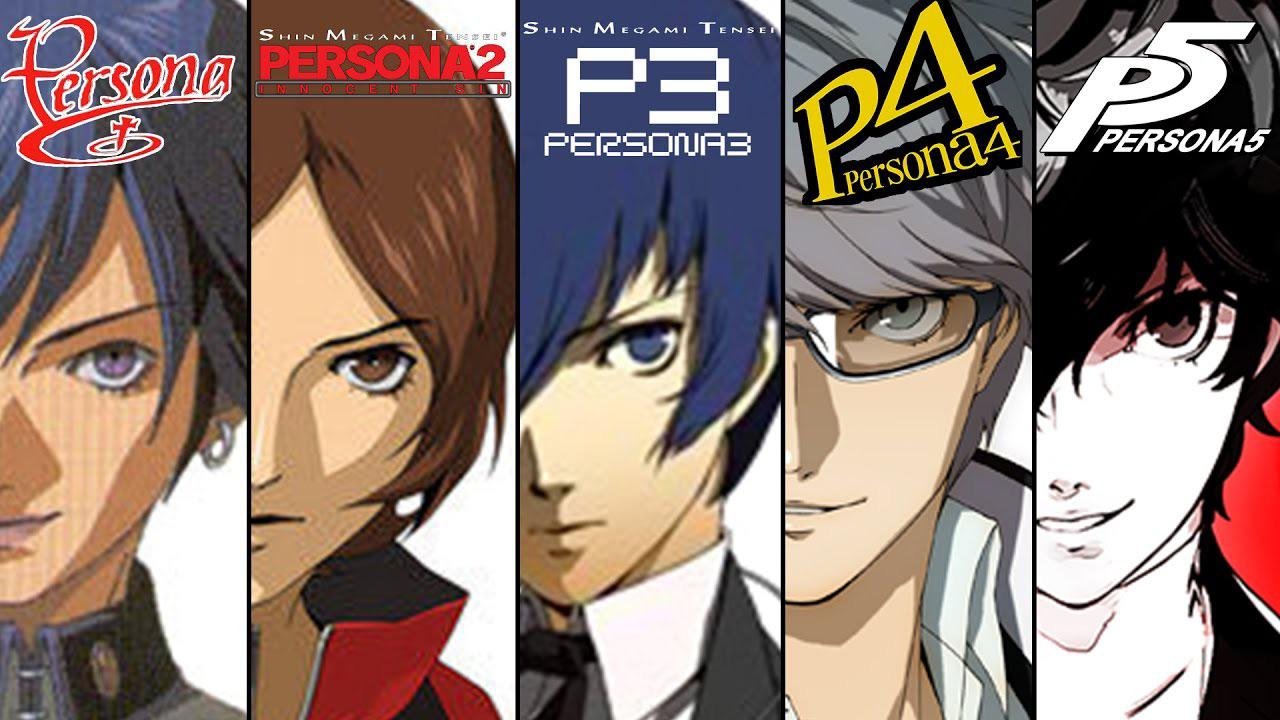
The Persona games are connected primarily through recurring themes, gameplay mechanics, and the presence of certain characters or organizations across different titles, rather than a single continuous narrative.
Ever wondered how are the persona games connected? It’s a common question for newcomers and long-time fans alike. Each entry presents unique stories and protagonists, but a shared DNA binds them together.
You might notice familiar faces, like Igor and his Velvet Room assistants. Also, certain concepts like the collective unconscious and shadows reoccur. These elements create a sense of continuity and make exploring each game a special experience.

How are the Persona Games Connected?
Okay, so you’ve played a Persona game, maybe even a few, and you’re starting to wonder: are these stories just random adventures with cool teenagers and monster buddies, or is there something more going on? That’s a great question! The Persona series, while each game has its own main story and characters, is like a big, sprawling family with some cool secrets connecting them all. Let’s dive into how these seemingly separate worlds are actually linked.
The Velvet Room: The Common Thread
If you’ve played any Persona game, you probably remember the Velvet Room. This mysterious place, usually accessed through a weird door or a strange ride, is a consistent element across the entire series. It’s where the main character goes to fuse their Personas, talk to some quirky residents, and get clues about what’s going on. The Velvet Room isn’t always exactly the same, but its purpose and overall vibe are constant.
Key Elements of the Velvet Room:
- The Location: The Velvet Room’s physical form changes throughout the series. Sometimes it’s a limousine, sometimes an elevator, sometimes a prison cell, and even a space of dreams. These changes reflect the main character’s situation and mindset.
- The Residents: The people who run the Velvet Room are another recurring element. Igor, with his long nose and unsettling grin, is the main host in most games. His assistants, like Elizabeth, Margaret, Theodore, and Lavenza, each have their own personalities and roles.
- The Purpose: The Velvet Room acts as a place for Persona users to enhance their powers, develop their inner selves, and get the tools they need to face their challenges. It also serves a larger, more cosmic purpose that is slowly revealed across the series.
Igor: The Enigmatic Master
We can’t talk about the Velvet Room without talking about Igor. He’s been present in almost every Persona game, often giving cryptic advice and watching over the main characters. While Igor’s actions and his exact role in the grand scheme of things might seem confusing at times, he is a central figure that ties the games together. He is typically the one who recognizes the potential of the main character and guides them on their journey. He’s like that super wise, if a bit creepy, uncle that pops up every few years.
The Persona Concept: Shared Power System
The core gameplay mechanic of summoning and using Personas is another very important connection between the games. Personas are manifestations of the inner self, often inspired by mythical figures and gods. They’re the main source of power for characters in the series, and learning how to combine and control them is a big part of the experience. The way you summon them, the different types, and their core function are all consistent across the main entries.
Persona Mechanics:
- Arcana System: Each Persona is tied to a Tarot Arcana. This Arcana determines their strengths and weaknesses. Characters get to forge relationships with other characters in the game which also have Arcanas, adding to the gameplay depth.
- Fusion: Combining different Personas to create new ones is a big part of the fun, allowing players to customize and optimize their team.
- Inheritance: When Personas are fused, they pass on certain skills to the resulting Persona, which enhances the strategy.
Recurring Themes: Societal Commentary and Inner Conflict
Beyond the gameplay and characters, the Persona games are also connected by the big ideas they explore. They often touch on issues like societal pressures, mental health struggles, the search for identity, and the importance of friendship. While these themes manifest differently in each story, they are always present. You may even notice that some smaller, subtle themes and ideas overlap in multiple games, indicating a consistency in writing style and intention of the creator.
Common Thematic Elements:
- The Pressure of Conformity: Many characters struggle with the expectations placed on them by society. These might be family pressures, school standards or societal norms.
- The Importance of Relationships: Building bonds and connecting with others is a key element of the gameplay and the core of the story for most Persona games.
- Overcoming Inner Demons: Characters need to face their own fears and insecurities to grow and gain power.
- The Nature of Reality: Some games also grapple with concepts of the truth, different perspectives, and what is considered “real.”
Slight Mentions and References: Easter Eggs and Winks
Sometimes, the connections between Persona games are subtle – little nods and winks to previous entries. These are like Easter eggs for long-time fans and they come in various forms like name drops, character appearances and item descriptions. Characters from one game may be mentioned in another, or you might see a familiar object or location appear briefly. These references reward players who’ve played through the series, making them feel connected to the larger world. While not always impactful to the story, they add extra fun for the players who pick up on them.
Examples of Cross-Game References:
- Character Cameos: You may see characters from previous Persona games mentioned or appear in side quests.
- Item Descriptions: Certain items may have descriptions that reference other characters or events from the series.
- Locations: Some areas may be similar or have some connection to places from older games.
The World of Persona: A Shared Universe
The Persona games all take place within the same universe, although each story has a different geographic location and main cast of characters. This doesn’t mean the world is completely static, it’s ever-evolving as the timelines progress. The events of one game might not be directly linked to another, but these worlds are all under a similar set of rules and have similar supernatural entities. The shared universe gives the players an immersive, overall experience, which provides a sense of connection even when each game focuses on a separate location and cast of main characters.
How the Shared Universe Works:
- The Setting: Most Persona games take place in modern-day Japan, giving them a grounded feeling. However, many take place in different cities or towns.
- The Supernatural Elements: The idea of Personas, Shadows, and the other supernatural beings is constant throughout the series.
- The Timeline: While each game has its own independent story, the timeline progresses in a connected way. Some games may take place after or before the events of others.
Persona Spin-offs: Expanding the Universe
It’s not just the main Persona games that add to the overall picture. The various spin-offs, like the Persona Q series, the Persona dancing games, and fighting games such as Persona 4 Arena, feature characters from across the series, bringing them together in fun and creative ways. These games often delve into the relationships between characters, further expanding the lore and connections of the overall Persona universe. These games, while not canon to the main story, enhance the experience and fun factor for the players.
Types of Spin-Offs:
- Persona Q: These games feature the cast of Persona 3 and Persona 4 (and even Persona 5 in the sequel), exploring a shared dungeon.
- Dancing Games: These feature the casts of Persona 3, Persona 4, and Persona 5, in fun rhythm-based adventures.
- Fighting Games: Games like Persona 4 Arena and its sequel, bring back the cast of Persona 3 and Persona 4 for an exciting fighting tournament.
The Theme of Choice: Shaping the Story
One of the most important unifying factors in the Persona series is the theme of choice. In each game, the main character is confronted with many tough choices. These choices often have a significant impact on the plot and how the game progresses. These choices are never easy and carry consequences, adding an additional layer of challenge and immersion. The player’s decision shapes the story as well as builds the connections with the characters around them. While the plot varies in each game, this central theme of choice remains a key element across the entire Persona franchise.
How Choice Impacts the Games:
- Dialogue Choices: The way you talk to other characters impacts their relationships with you.
- Story Branches: Some choices may lead to different outcomes.
- Character Development: The decisions you make affect the overall development of your character.
The Future of Connections
As the Persona series continues to grow, it’s exciting to think about how these connections might evolve. Will we see a game that brings together multiple main characters from previous games in a very meaningful way? Will we learn more about the greater mysteries of the Velvet Room and Igor’s overall purpose? The possibility of more connecting elements is just one of the many reasons why we’re all excited for future Persona games. No matter how the series grows, it is clear that the core elements, themes and connections will remain.
So, are the Persona games connected? The answer is a definite yes! They’re all part of a larger, fascinating puzzle, with the Velvet Room, Igor, Personas, reoccurring themes and subtle references being the key pieces that link everything together. Each game is unique and special, but they are all part of the same universe, and this is part of what makes the Persona series so special. This interconnectedness is what keeps fans of the series coming back for more.
Persona's Shared Universe Timeline (feat. @Macca) | A Line Through Time
Final Thoughts
The Persona games connect through recurring themes, concepts, and, most importantly, the velvet room. Igor and his attendants consistently appear across titles. These shared elements solidify the series’ interconnectedness.
The metaphysical aspects of the collective unconscious are a constant. How are the persona games connected? They are connected through the exploration of humanity’s inner self and the power of friendship, which act as cornerstones of each game. You must understand the core ideas linking them.

