
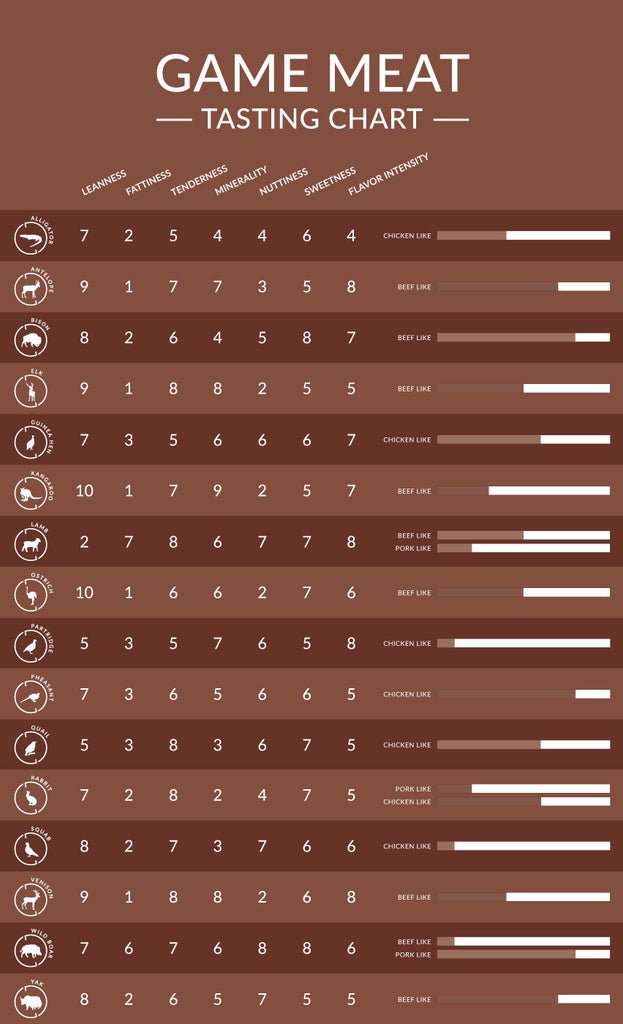
Game meats are the flesh of animals that are not typically raised on farms for food, such as deer, elk, and wild boar.
Have you ever wondered about the different types of meat available, beyond the usual beef, chicken, and pork? One category often discussed but perhaps not fully understood is “what are game meats?” These meats come from animals that roam freely, hunted in their natural habitats. This sets them apart from the livestock you would find in agriculture.
The taste and texture of game meats differ greatly from domesticated animals. People sometimes appreciate these unique flavors for a more adventurous culinary experience. We will explore the various animals considered game and how they make their way to your plate.

What Are Game Meats?
Have you ever heard someone talk about eating game meat and wondered what exactly that means? It’s not like the chicken or beef you usually find at the grocery store! Game meat is simply meat that comes from animals that are hunted in the wild. These aren’t animals raised on farms; they live their lives out in nature. Think of animals like deer, rabbits, or wild birds. Eating game meat is a very old tradition that’s been around for many, many years.
Defining Game Meat: Beyond the Farm
So, what really makes an animal’s meat “game”? The main difference is how the animal lived before it became food. Animals that produce game meat typically live in their natural environment, foraging for food and facing the challenges of the wild. This is different from farm animals that are raised in controlled environments and eat specially made food. Let’s explore this distinction further:
Wild vs. Farmed: A Key Difference
The fact that game animals live in the wild means their meat often has a different taste and texture compared to farm-raised meat. The animals’ diet and physical activity affect the taste and structure of their muscle tissue. For example, a deer that eats a varied diet of forest plants will have a distinct flavor compared to a cow that mainly eats grain. Game animals roam freely and build stronger muscles, resulting in leaner meat with less fat.
Common Types of Game Meat
The world of game meat is surprisingly diverse! Here are some of the more commonly consumed types, across different continents:
- Venison: This is the meat from deer. It’s one of the most popular types of game meat.
- Rabbit: A smaller animal that offers a lean and delicate flavor.
- Wild Boar: These animals are relatives of pigs, but their meat has a more intense, gamey taste.
- Pheasant: A popular game bird with a rich, somewhat nutty flavor.
- Duck: Wild ducks have a distinct flavor that differs from farm-raised ones.
- Quail: These small birds provide a delicate and flavorful meat.
- Elk: A larger animal that offers a richer, stronger flavor than venison.
- Grouse: This is another type of wild bird, popular in northern parts of the world.
- Hare: Similar to rabbits but often with a more intense game flavor.
- Squirrel: A smaller game animal that is more popular in some regions than others.
- Bison: Also known as buffalo, this meat has a rich and beef-like flavour but is leaner than beef.
Regional Variations
The types of game meat you’ll find often depend on where you are in the world. For example, in North America, venison and elk are common, while in Europe, wild boar and pheasant are more popular. In some parts of the world, you might even find people eating game meat from animals like kangaroo or even alligator. It’s all about what’s available in the local ecosystem and what traditional diets call for.
The Taste of the Wild: What Does Game Meat Actually Taste Like?
People often describe game meat as having a “gamey” flavor, but what exactly does that mean? This unique flavor comes from the animals’ natural diet and lifestyle. It’s often described as more earthy, with notes of the plants they’ve eaten. The intensity of the flavor varies from animal to animal and depends on their diet, age, sex, and how they are processed after the hunt.
Factors Affecting Flavor
Several factors can influence the taste of game meat:
- Diet: What an animal eats has a big impact on the taste of its meat. For example, a deer that eats a lot of acorns will have a slightly different flavor than one that eats mostly grass.
- Age: Younger animals tend to have more tender meat with a milder flavor compared to older ones.
- Sex: Male animals may have a slightly stronger flavor compared to females, especially during breeding season.
- Processing: How the animal is handled, cleaned, and processed after the hunt affects the overall taste and quality of the meat. Proper field dressing and storage are critical for a good eating experience.
Understanding “Gamey”
The term “gamey” often carries a negative connotation, but for many, it’s what makes game meat so enjoyable. This distinct flavor is often attributed to the higher iron content in game meats compared to farm-raised meats. It’s also due to the free roaming nature of the animals. Properly prepared game meat does not need to be overpowering or unpleasant. Techniques such as marinating and using strong spices can greatly reduce the “gamey” flavor for those who find it too strong. Many people compare the flavour to a more concentrated, richer version of beef or lamb.
Nutritional Value: Is Game Meat Healthy?
Game meat often has a great nutritional profile. Because these animals tend to be more active and eat a natural diet, their meat is often leaner than farm-raised meats. This means lower fat content and often higher protein. This makes game meat a healthy option for people looking for more nutritious alternatives.
Lean Protein Powerhouse
Game meat is an excellent source of protein, which is necessary for building and repairing tissues in our bodies. It helps keep you full and is an important component of a balanced diet. Many game meats offer more protein per serving compared to traditional options like beef or chicken.
Lower in Fat and Calories
Compared to many cuts of beef or pork, game meat generally has less fat. The fats are also often healthier, with a better ratio of polyunsaturated to saturated fats, though specifics vary greatly by the species. This means fewer calories per serving and can contribute to a healthier diet.
Rich in Vitamins and Minerals
Game meat is packed with essential vitamins and minerals like:
- Iron: Important for carrying oxygen in the blood, and it’s easily absorbed from meat.
- B Vitamins: These help with energy production and nerve function.
- Zinc: Important for immune function and cell growth.
- Selenium: An antioxidant that helps protect the body’s cells.
This combination of nutrients makes game meat a nutritious choice for those looking to diversify their diet.
A Note on Cholesterol
While game meat is lean, it’s important to remember that all animal products contain cholesterol. However, lean game meat typically has less cholesterol per serving compared to fatty cuts of beef or pork. For those concerned about cholesterol, moderation and smart preparation methods can help.
Hunting and Sourcing Game Meat
Where does game meat come from? Typically, it comes from animals that have been hunted in the wild. The rules and regulations surrounding game meat hunting differ from place to place to ensure wildlife populations remain sustainable. In some regions, you can purchase game meat through specific butchers or specialty stores. Understanding how game meat is sourced can help you make informed decisions as a consumer.
The Role of Hunting
For many, hunting is an important practice for wildlife conservation and management. It helps to control populations and prevent overgrazing of local ecosystems. Hunters often play a crucial role in the cycle of natural life and help to keep the ecosystems healthy. In many regions, hunting is strictly managed with permits and designated hunting seasons to ensure the long-term survival of wildlife populations. In addition to this hunting provides a valuable source of food for people who wish to eat more naturally.
Ethical Considerations
Ethical hunting is important for those who wish to participate. Ethical hunting includes respect for the animal, using fair chase methods, and ensuring a quick and humane harvest. The goal is to minimize suffering and to maximize the utility of the animal. The ethical hunter understands the animal and its place in the world and treats the whole process with reverence.
Buying Game Meat
If hunting is not something you want to do, you might still have access to game meat through other channels. Here’s how you might find it:
- Specialty Butchers: Some butchers specialize in game meat and can be a great source of high-quality products.
- Farmers’ Markets: Occasionally, you might find game meat at farmers’ markets if local laws permit it.
- Direct from Hunters: If you know a hunter, they might be able to provide you with game meat, as long as this is in compliance with local regulations.
- Online Retailers: In some places, it is legal to buy game meat from online retailers who source from reputable hunters or suppliers.
When buying game meat, it’s important to choose reputable sources and ensure that the meat has been inspected and handled properly. Look for certifications or seals of approval, and don’t hesitate to ask questions about the meat’s origin.
Cooking with Game Meat: Tips and Tricks
Cooking game meat can be a little different than cooking regular beef or chicken. Game meats tend to be leaner and sometimes have a more intense flavor, so knowing a few techniques can make a big difference in your dishes. Let’s look at some tips and tricks for cooking game meat well.
Marinating for Flavor and Tenderness
Marinating game meat before cooking can enhance its flavor and make it more tender. The acid in marinades helps break down the connective tissue, resulting in more succulent meat. Choose a marinade that complements the particular type of game you are preparing. For stronger game meat like venison, try using strong flavors like wine, garlic, or rosemary.
Low and Slow Cooking Methods
Many game meats benefit from slower cooking methods. The collagen breaks down and tenderizes the meat. Slow cooking or braising are great ways to go, allowing time for the meat to become more tender and flavorful. This will work particularly well for tougher cuts like shanks or shoulders.
The Importance of Temperature
Internal temperature is important for safety. Using a meat thermometer to check for doneness is key to a perfect cook. You want to ensure the meat reaches the correct temperature to eliminate any harmful bacteria. Also, try not to overcook the meat, as this can make it tough. Game meat is best served cooked to medium-rare or medium doneness for optimal taste and tenderness.
Using Appropriate Spices and Herbs
Game meat pairs well with a wide variety of spices and herbs. Robust spices and herbs like thyme, rosemary, juniper berries, and bay leaves can compliment the flavors. Using ingredients like red wine, mushrooms, and root vegetables will all bring out the earthy tones in the meat and can create very flavorful dishes.
Experimenting with Different Recipes
Don’t be afraid to try different recipes to find out what you like best. Traditional methods like stewing and roasting are always a good starting point. Try grilling, stir-frying, or incorporating game meat into other dishes. Exploring different types of cuisine can help you uncover exciting ways to enjoy game meat.
Don’t Overcook!
One of the most common mistakes with game meat is overcooking it. Overcooked game meat becomes dry and tough. Therefore, keeping track of the cooking time and using a meat thermometer to check the internal temperature are very important.
Game Meat and Culture
Game meat plays a significant role in many cultures around the world. It’s not just food, it’s often tied to traditions, rituals, and ways of life. From ancient hunter-gatherer societies to modern culinary traditions, game meat has a long history that has shaped cultures and societies.
Ancient Practices
For thousands of years, hunting was a fundamental part of human survival. Early humans relied on game meat for sustenance and it was a key ingredient in their survival and success. Evidence of this exists in cave paintings and archeological records that show the importance of hunting game animals.
Traditional Diets
In many indigenous communities, game meat remains a key part of their diet and a very important connection to their heritage. Traditional diets often reflect sustainable practices and show how people can coexist with nature. Local knowledge about animal behaviors, habits, and proper hunting methods has been passed down for generations.
Modern Relevancy
Even in modern times, game meat plays a role in cultural traditions. Hunting seasons are often eagerly awaited and are a key social event for many. Game meat also plays an important part in local cuisines and some gourmet chefs have rediscovered game meat in their recipes. Many people wish to eat food that is locally sourced and ethically produced, and game meat can fit this niche.
Respect for the Animal
Many cultures practice gratitude when eating game meat and respect for the sacrifice the animal has made. This is a powerful reminder of the cycle of life, the interconnectedness of all things, and a profound connection to nature. These cultural contexts have a powerful influence on the way that humans approach the eating of game meat.
Sustainability and Game Meat Consumption
It’s important to think about the impact of food choices, and that includes game meat. Is game meat a sustainable choice? The answer is it can be, if done responsibly. We need to balance our desire for food with the need to care for the environment and the wildlife around us.
Responsible Hunting Practices
Responsible hunting is very important for the sustainability of game meat. This means following all regulations, ensuring ethical practices, and participating in conservation efforts. By supporting hunters who practice sustainability, you can ensure the populations remain healthy and are not threatened.
Wildlife Management
Hunting plays a role in managing wildlife populations and keeping ecosystems healthy. Responsible management helps to prevent overpopulation, habitat destruction, and the spread of diseases. By harvesting game animals in a sustainable way, hunters help to maintain a natural balance.
Reducing Food Miles
Eating local game meat can help to reduce the distance food has to travel. This can be good for the environment by using fewer transportation resources. Local game meat can also support local economies and strengthen relationships with local sources.
Making Informed Choices
As consumers, we can make informed decisions that support sustainability. Choose game meat from reputable sources who focus on ethical practices. Try to buy local when you can, and educate yourselves on the environmental impacts of your food. By doing this you can actively support sustainable practices and do your part to help the environment.
In summary, game meat offers a unique and flavourful alternative to conventional meats. Its leanness, nutritional benefits, and strong ties to culture make it a fascinating topic. Whether you’re a hunter, a foodie, or simply someone curious about different food sources, understanding what game meat is, is essential in today’s world. By understanding the nuances of sourcing, cooking, and the place it holds in cultural traditions, you can appreciate the unique qualities of game meat. As with any food choice, it’s essential to make informed decisions and to enjoy your food with a sense of awareness and appreciation for all that goes into getting it onto your table.
Benefits of Eating Wild Game
Final Thoughts
Game meats come from animals not typically farmed, like deer and wild boar. They offer unique flavors, often described as richer and earthier compared to domestic meats. These meats are naturally lean due to the animals’ active lifestyles.
“What are game meats?” they represent a different protein source. Sourcing game meat responsibly supports wildlife management. Consider trying it for a novel culinary experience.

