
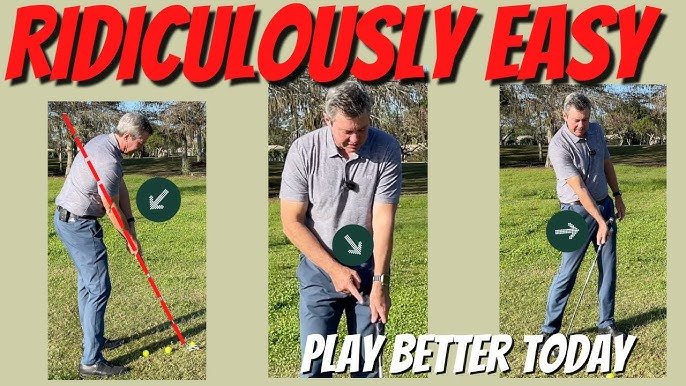
Improving your golf game requires consistent practice focusing on your swing mechanics, short game, and course management.
Have you ever stood on the tee box, feeling frustrated after another wayward shot? It’s a common feeling for golfers of all skill levels. The question often comes up: how can i improve my golf game? It’s not about magical fixes, but rather dedicated effort in specific areas. Small, focused changes can truly make a big difference. We’ll explore these key areas to help you lower your score and enjoy the game more.

How Can I Improve My Golf Game?
Okay, you’re ready to get better at golf! That’s awesome. It can be a tricky game, but with the right approach, you can absolutely see improvement. It’s not all about hitting the ball super far. It’s also about smart practice, understanding your swing, and having fun out there. Let’s dive into some things you can do to really help your game.
Understanding the Fundamentals: The Foundation of Your Swing
Before you start trying fancy moves, you need to have a good grasp of the basics. Think of it like building a house; you need a strong foundation to support everything else. Here are some key areas to focus on:
The Grip: Connecting with the Club
How you hold the golf club is really important. It affects how you hit the ball. A grip that is too tight or too loose can cause problems. Most golfers use one of three grips:
- The Overlap Grip (Vardon Grip): This is a very common grip where the pinky finger of your trailing hand (usually right hand for right-handed golfers) overlaps the index finger of your leading hand.
- The Interlock Grip: Here, the pinky finger of your trailing hand interlocks with the index finger of your leading hand. This is often used by people with smaller hands or those who have trouble with the overlap grip.
- The Ten-Finger Grip (Baseball Grip): This grip is similar to how you’d hold a baseball bat. All ten fingers are on the grip. It’s a simpler grip that can help beginners get a feel for the club.
Try each one out, see which one feels most comfortable for you, and make sure your grip pressure is light – like you are holding a bird, not trying to crush it!
The Stance: Setting Up for Success
Your stance is how you position your feet before you swing. It’s the base for your swing. A good stance helps you stay balanced and make solid contact with the ball. Here’s what you should aim for:
- Width: Your feet should be about shoulder-width apart for most shots. For longer shots with drivers, you might go a little wider. For shorter shots, you might be a little closer.
- Weight Distribution: Your weight should be evenly distributed on your feet. Not too much on your toes or heels. You should feel balanced and ready to move.
- Knees: Keep your knees slightly bent. Not locked, but not deeply bent either, it should feel natural. This makes it easy for you to shift your weight in the swing.
- Ball Position: The position of the ball relative to your feet changes for different clubs. For example, with a driver, the ball is often placed forward (near your lead foot), while with short irons, it will be closer to the center of your stance. Learn where to place the ball for the clubs you use the most.
Posture: Bending From The Hips
A correct posture can set you up for a good swing and make it easy to rotate your body. Bend from your hips and not your waist. Let your arms hang naturally. This will put you in a balanced and athletic position.
The Golf Swing: Step-by-Step Breakdown
The golf swing can seem complicated, but it’s really just a series of connected movements. Let’s break it down into some key parts:
The Takeaway: Starting Your Swing
The takeaway is the first part of your swing. It’s when you move the club away from the ball. It is important to keep your club low to the ground, and not just lift the club straight up. Try to move your arms, shoulders and club all together.
The Backswing: Building Power
During the backswing, you’re loading up energy. Turn your shoulders and hips so they go back. Keep your wrists hinged or bent. The goal is to get the club near the top of your swing. Do not try to swing your arms so far back, you will just lose control of your club. Try to keep control and do what feels natural.
The Downswing: Bringing the Club to the Ball
The downswing is where you release the energy you built. Start the downswing by shifting your weight to your leading foot. Uncoil your body and let your arms follow your body. As the club comes down you will impact the ball.
Impact: Connecting with the Ball
Impact is the moment your club hits the ball. Try to keep your wrists firm at impact and do not scoop. At impact, all of your energy is transferred to the ball. You should make contact with the ball in the middle of the club face.
The Follow-Through: Finishing Strong
The follow-through is what happens after you hit the ball. It’s the completion of your swing. Complete the movement of your swing. It should feel balanced and natural, do not just slow down when you make contact with the ball.
Practice Makes Permanent
It’s an old saying, but it’s true: “Practice makes perfect.” But more accurately, practice makes permanent. You need to practice effectively. This means:
- Focused Practice: Don’t just mindlessly hit balls. Have a specific goal for each practice session. Maybe you’re working on your grip, or maybe it’s your downswing. Focus on one thing at a time.
- Regular Practice: Even short practice sessions are helpful if they are regular. Trying practicing three times a week for one hour each time rather than one three hour session a week.
- Variety of Practice: Don’t only practice the driver or long clubs. Spend time using short irons and wedges too. Make sure you get your chipping and putting practice in too.
- Track Your Progress: Keep a journal or log of your practice and how you felt you played. This will help you see how you’re doing and help you target your practice.
The Short Game: Where You Save Shots
Many people don’t like to practice their short game, but this is where you will lower your scores. This part of the game can make a huge difference. Here’s why:
Chipping: Getting Close to the Green
Chipping is the short, low shot around the green. The goal is to get the ball close to the hole so that you can make an easy putt. Pick the right club for the shot you want. It could be a pitching wedge, sand wedge or even a 7 or 8 iron. Make sure you have a good stance and do not try to scoop the ball into the air. It is a smaller version of your full swing.
Pitching: Making it Land Softer
Pitching is a higher shot than a chip that will make the ball stop more quickly. This shot is used to get over bunkers or other hazards. Again, like your full swing, you need a good takeaway, backswing, and downswing. Make sure your wrists are bent on your backswing. A pitching wedge or sand wedge are often used for pitching.
Putting: The Final Touch
Putting is the most important part of the game. It is where you finish the hole. Find a putter that feels comfortable to you. Practice your putting stroke with each length of putt. Start with short putts of 3 feet and increase the distance, when you get comfortable. Make sure your stroke stays on target.
Course Management: Playing Smart
Golf isn’t just about hitting the ball far. It’s about playing smart. It is a good idea to plan your shot before you even take your stance. Here are some things to think about:
Know Your Yardages
You need to know how far you hit each club. This will help you choose the right club for each shot. Use a range finder or GPS watch to see how far you are from the green.
Playing the Course
Before you start, look at the layout of each hole. Think about the hazards, the slopes of the green, and where you should aim. If you are going into a strong headwind, you should adjust your club selection accordingly.
When to Lay Up
Sometimes the smartest play is to lay up and not try to go for the green in one. For example, if you see a bunker or water hazard guarding the green, sometimes it is better to just hit your ball closer to the green.
Mental Game: Staying Calm and Focused
Golf can be frustrating. It’s important to stay calm and focused, even when things aren’t going your way. It is really important to have a good attitude and enjoy the game. Here are some things to remember:
- Stay Positive: Don’t let a bad shot ruin your round. Forget it and focus on the next shot.
- Be Patient: Don’t expect to be a pro overnight. It takes time and practice to improve.
- Have Fun: Golf should be enjoyable. Relax and have fun out there.
Equipment: Is It Right for You?
Having the right equipment can make a big difference. Here are some areas to consider:
Club Fitting
If your clubs are not fitted to your swing, it may be harder to hit a good shot. If your clubs are too long or too short, they won’t feel right to you. The lie angle or the flexibility of the shaft could be the wrong kind for you too. You can talk to a golf professional, and they will help you find the best clubs for your swing.
Grips
Your grips are very important. If they are worn out or slippery, it can make it harder to hold on to the club. Replace your grips, when they start to get smooth or start to come apart. The type of grip you have is also important, and you can try many different kinds to see what feels right.
Golf Balls
There are many different types of golf balls. It is not necessary to buy the most expensive ones, if they don’t match your game. A golf ball with more compression may be a better choice for a faster swing. Try out some different brands and see which ball performs the best for you.
Getting Help: Lessons and Advice
It is a good idea to get some lessons from a qualified golf professional. They will help you find out the areas that you need to improve. They can give you tips on your stance, your grip and your swing.
Improving your golf game takes time and dedication. It involves working on your swing, the short game, and your mental approach. Focus on the fundamentals, practice regularly, and most importantly, have fun. The next time you step onto the course, remember these tips and you’ll be well on your way to seeing some good progress.
7 ways to improve at Golf WITHOUT practice!
Final Thoughts
To improve your golf game, focus on consistent practice. Analyze your swing and identify areas for improvement. A golf coach can provide valuable feedback. Regular play and focusing on your short game is also a must.
Remember, consistent effort yields better results. Work on your putting, chipping, and driving. So, how can i improve my golf game? Dedication and a targeted approach are key to success.

