
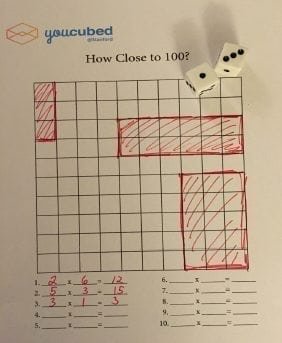
The ‘how close to 100 game’ is played by strategically choosing numbers from a set, aiming to get a total sum as near to 100 as possible, without going over.
Have you ever played a game that’s simple yet surprisingly strategic? It’s one where you’re not just relying on luck, but also a bit of calculation and foresight. This game, “how close to 100 game,” tests your number sense in a fun, engaging way.
It’s an activity perfect for classrooms or just a relaxed game night at home. The straightforward rules make it quick to learn but challenging to consistently win. So, get ready to test your skills and see how near you can get!

How Close to 100 Game: A Fun Way to Learn Math
The “How Close to 100” game isn’t just a fun pastime; it’s a fantastic tool for sharpening your math skills, especially addition and subtraction. This simple game can be played with just a few basic items and is enjoyable for kids of different ages. It’s perfect for making learning about numbers and calculations an exciting adventure rather than a chore. Let’s dive into all the awesome ways you can play this game and make math practice feel like playtime!
What You Need to Play
Before you can start playing, it’s important to gather the necessary materials. The great part is, you likely already have everything you need at home. This low-prep aspect makes the game super accessible anytime, anywhere.
- A Deck of Playing Cards: You’ll only need the number cards (Ace through 10). Take out the face cards (Jack, Queen, King) since they don’t fit the game’s purpose. You can use multiple decks if you’re playing with a bigger group, or if you want to play with more cards. Remember that Ace will be considered as 1.
- Paper or a Whiteboard: You’ll need something to keep score and to write down the numbers that are drawn during the game. If you use a whiteboard, you can reuse it multiple times and save paper.
- Pencils or Markers: Use these to write on your paper or whiteboard.
- A Timer (Optional): If you want to make the game more challenging and fast paced, a timer is a great tool for setting up a timed round.
How to Play the Basic Version of How Close to 100
Now that you have your materials ready, let’s walk through the basic gameplay. This version is perfect for getting the hang of the game and is easy for younger kids to pick up. The key is to understand how to combine your cards and get close to 100 using addition and subtraction.
- Shuffle the Cards: Mix the number cards well and place them face down in a pile. This way each draw will be a suprise!
- Draw Your First Two Cards: Each player draws two cards from the pile and keeps them face up.
- Calculate Your Starting Number: Add the values of your two cards together. For instance, if you draw a 7 and a 3, your starting number would be 10 (7+3=10). Write this on the paper.
- Draw Two More Cards: Now, each player draws two more cards from the pile.
- Make Your Target Number Closer to 100: Using the two new cards and adding or subtracting them from the number you got in step 3. For instance, if your current number is 10 and you draw a 9 and a 2, you can either add 9+2 to your current number or add or subtract them one by one.
- For instance, if you choose to add 9, you have 10 + 9= 19, you can either subtract 2 from 19 or add it to get 17 and 21 respectively.
- Continue Drawing: Keep repeating the process by drawing two new cards and either adding or subtracting them to your current number. The main target is to get your current number as close to 100 as possible.
- End the Round: Decide how many rounds the game will last or set a limit for how many cards each player draws.
- Find the Winner: Once the round ends, the player who got the closest number to 100 is the winner.
It sounds simple, right? But as you play, you’ll start thinking about the best way to use each card to get the closest to 100. This is where the real math skill development starts!
Strategies for Playing How Close to 100
While luck plays a role, a bit of strategy can improve your game. Knowing how to combine your cards effectively can give you a big advantage. It’s all about thinking ahead and planning your moves. Here are some strategies that can help you get closer to 100.
Thinking Ahead
- Look at the Bigger Picture: Don’t just think about your next step. Plan how you can combine your cards to get the number close to 100 within the rounds. Think about what’s your current number and what cards you have remaining.
- Use Larger Numbers First: If your current number is far away from 100, use higher numbers to get closer faster. If your number is closer, use smaller numbers so that your number won’t cross 100. For example, if you have 20, use 9 and 8 to get the number close to 100. If you’re at 90, use small numbers like 1 and 2.
Making Smart Decisions
- When to Add and When to Subtract: If your current number is below 100, adding will make the number larger. if your current number is above 100 subtracting will make the number smaller. Keep adding until you are very close, but if you cross 100, begin subtracting to get close to 100 again.
- Estimate Your Moves: As you start to play you will get a sense of what to expect. With practice, you’ll get quicker at looking at the cards and knowing whether you need to add or subtract and by how much.
- Consider All Options: Don’t just choose the first option you see. Check all the possibilities before you decide how to combine your cards. Think ahead if the number you are going to add is going to get your number near to 100, or take you away from 100.
Variations of the Game
The basic game is great, but you can change it up to make it more interesting and fitting for different skill levels. Here are a few variations you can try:
Target Number Variations
- Target 50 or 200: Instead of aiming for 100, try aiming for 50 for a shorter and simpler game, or 200 for a more challenging one. This variation can help children work with smaller or larger numbers. It is perfect for making this game more accessible for younger kids or more challenging for older kids.
Card Variations
- Use Multiplication and Division: For older kids, include multiplication and division in the mix to make the game more complex. You can also use the exponents too if kids are comfortable with it.
- Adding Face Cards: You can assign a number to face cards, such as 11 for Jack, 12 for Queen, and 13 for King. This way you can use all the cards in the deck, and this can provide an extra challenge for the players.
Game Play Variations
- Timed Rounds: Set a timer for each round to encourage quick thinking and decision making skills. This is a great way to challenge the children and test how quickly they can calculate under pressure.
- Cooperative Play: Instead of playing against each other, try working as a team to get as close to 100 as possible. This is excellent for teaching teamwork and collaborative problem-solving.
Try any of these to spice things up, you can even create your own variations based on your preferences.
Why This Game is Great for Learning
Beyond being fun, “How Close to 100” is a wonderful way for kids to learn math skills without even realizing they’re learning. Here’s why it’s so helpful:
Reinforces Addition and Subtraction
- Practice Makes Perfect: The more you play the game, the quicker you get at adding and subtracting. The game is a fun, and interesting method of repetition and the constant practice makes children fluent at arithmetic.
- Understanding Number Relationships: It can help them understand number relationships and how adding and subtracting numbers changes a total. Through active participation, kids are learning the effects of adding or subtracting on a given number.
Develops Mental Math Skills
- Quick Calculations: Playing the game helps with learning to calculate in your head. They will learn the concept of quickly thinking and deciding which mathematical operation to use next.
- Boosting Confidence: As kids get better at mental math, their confidence also increases.
Improves Problem-Solving Skills
- Strategic Thinking: The game encourages kids to think strategically about how to use their cards effectively.
- Decision-Making: It teaches them how to make quick decisions and to assess risks to pick the number combinations that are best for them to win.
Adaptable for Different Skill Levels
You can easily tweak the game to suit kids of different ages and abilities. This flexibility means that the game can grow with your child and continue to challenge them as their math skills develop. For example, when a child is first learning to add and subtract, you can start with smaller numbers or a smaller target number, and as they get more confident, you can move to larger numbers or target numbers to increase the challenge.
Fun and Engaging Way to Learn
Learning becomes more effective when it is enjoyable. This game is a great way for kids to have fun while learning. This combination can change how kids view math – they’ll start seeing it as an exciting activity rather than a difficult chore.
Tips for Playing with Younger Children
When playing with younger children, remember to be patient and supportive. Here are some tips to help them:
- Start Simple: Start with just addition and a target number like 20 or 50. When children are first learning to play the game, start with small target numbers like 20 or 50 to help them focus on the basics of addition.
- Show, Don’t Just Tell: Demonstrate how to combine the cards by using drawings or by using physical objects for the children so that they can see how the numbers are changing in each addition and subtraction.
- Encourage but Don’t Over Help: Give hints and help them understand the math, but allow them to make decisions on their own. Provide gentle guidance but try to resist the temptation to solve the problem for them. This way they can learn to problem-solve on their own.
- Celebrate Small Wins: Praise and encourage even small progress, which will help them feel good about themselves and motivated to learn more.
Make it a Family Game Night Activity
“How Close to 100” isn’t just for kids, its an amazing game for the whole family to join in on. It brings families together while everyone practices their math skills together. Here’s how you can make it a family game night activity:
- Regular Schedule: Make a specific day for the game, so that everyone is prepared.
- Create a Fun Atmosphere: Make the game fun by using music and snacks to make it more enjoyable. This helps create positive and happy memories and associations with math.
- Friendly Competition: Encourage healthy competition. When the parents are involved, it will become more enjoyable for the kids as they enjoy playing against their parents.
- Mix the Ages: The best part is that kids of different ages can play together by modifying the rules.
These are just a few ideas to help you make learning fun for all ages with this easy, accessible, and customizable game that everyone will enjoy.
The “How Close to 100” game is a fun and effective way to help kids and adults practice their math skills. It’s adaptable, engaging, and promotes critical thinking. Whether you play the basic version or try one of the many variations, you are sure to have fun while learning. So, shuffle those cards, gather your family and friends, and get ready to see how close to 100 you can get!
How Close to 100?
Final Thoughts
In essence, the ‘how close to 100 game’ offers fantastic fun and practical math practice. It encourages strategic thinking and quick mental math skills.
This game improves number sense in a lighthearted way. Players actively calculate and make judgments.
The simplicity of ‘how close to 100 game’ makes it accessible to many ages. Its adaptability allows for variations too, making it engaging.

