
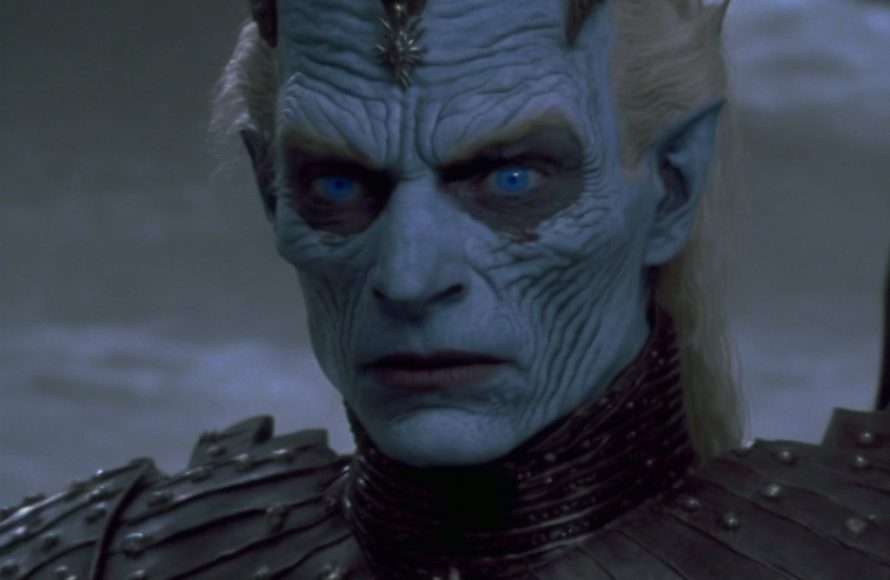
Yes, Game of Thrones embodies key elements of the dark fantasy subgenre, featuring morally gray characters, grim settings, and a generally pessimistic tone.
Is Game of Thrones dark fantasy? That question frequently circulates among fans, given its brutal depiction of power struggles. It’s not your typical fairy tale world with clear heroes and villains; instead, the story explores complex individuals and their often savage actions. This gritty realism, combined with the presence of magic, contributes to a very specific genre.
The series presents a world where noble ideals frequently clash with harsh realities. Betrayal, violence, and the constant threat of death are pervasive themes throughout the narrative. So, we can certainly place it squarely within the boundaries of dark fantasy.

Is Game of Thrones Dark Fantasy? A Deep Dive
Okay, let’s talk about Game of Thrones. You’ve probably heard of it, maybe even seen it. Dragons, knights, kings, and queens, right? But is it just another fantasy story with shiny heroes and happy endings? Not quite. There’s something…darker lurking beneath the surface. We’re going to explore if Game of Thrones truly fits into the dark fantasy genre and what makes it so different. So, grab your imaginary sword and let’s get into it!
What Makes Fantasy… Fantasy?
Before we can figure out if something is dark fantasy, we need to understand what plain old fantasy is. Think of stories with magic, mythical creatures, and worlds that are different from our own. These are the key ingredients. Here are some common things you might find in typical fantasy:
Magic: Wizards waving wands, potions bubbling in cauldrons, and spells that can change the world.
Mythical Creatures: Dragons soaring through the sky, elves living in the woods, and maybe even goblins lurking in the caves.
Epic Battles: Heroes clashing swords against evil armies, fighting for good to prevail.
Clear Good vs. Evil: Usually, it’s pretty easy to tell who the good guys are and who the bad guys are. Think of the hero in shining armor fighting the big scary dragon.
Hopeful Tone: Even in tough times, there’s usually a feeling that things will get better in the end.
These elements often create a sense of wonder and adventure. Now, let’s see how dark fantasy changes this up.
The Shadows of Dark Fantasy
Dark fantasy takes those classic fantasy elements and adds a twist. It’s like putting on sunglasses – suddenly, the world looks a lot grimmer. Here’s how it changes the game:
Moral Gray Areas: Instead of clearly defined good and evil, many characters have complicated motivations. They might do bad things for what they think are good reasons, or they might just be trying to survive.
Less Magic, More Politics: Magic might exist, but it’s not always the answer. Often, the real power comes from politics, scheming, and manipulation.
Brutal Realism: The world is often harsh and unforgiving. Characters face realistic consequences for their actions, and death is always a threat.
Hopeless Tone: The story can feel heavy, with a sense that things might not get better. There’s no guarantee that good will win, and sometimes, it doesn’t.
Focus on the Flawed: Heroes aren’t always perfect. They make mistakes, they have doubts, and they often struggle with their own inner demons.
Dark fantasy shows us the more challenging, realistic sides of fantasy. It’s less about fairy tales and more about the darker side of human nature.
Game of Thrones: A Case Study in Dark Fantasy
So, where does Game of Thrones fit in? Is it a typical fantasy tale or something more sinister? Let’s look at specific examples:
Moral Ambiguity: No Clear-Cut Heroes
One of the most notable parts of Game of Thrones is the lack of obvious heroes. Characters like:
Jaime Lannister: Starts as a villain by pushing a young child out a window, but throughout the story, he shows that he cares about his family and even attempts to become a better man.
Cersei Lannister: She’s ruthless and power-hungry, but she’s also a mother who would do anything to protect her children.
Daenerys Targaryen: Begins as a kind queen liberating the people from slavery but loses her mind in the end and commits terrible actions by the end of the story.
These characters aren’t just “good” or “bad.” They make choices that are sometimes terrible and sometimes brave, but always complicated. This makes the story more unpredictable and forces us to question who to root for. You don’t find this level of grey in stories like The Hobbit, where good and bad are almost always clear.
Political Intrigue Over Magic
While there are dragons and a bit of sorcery, Game of Thrones is mostly about the game of thrones – politics, power struggles, and backstabbing.
The Red Wedding: A perfect example of political treachery. It wasn’t a magical curse or a monster that killed the Starks – it was a clever betrayal.
Littlefinger’s Schemes: This character showed that words and lies could be more dangerous than any sword.
Power Play: Many battles aren’t fought with swords and shields, but with whispers and alliances formed to gain a power advantage.
This focus on politics and strategy moves Game of Thrones away from classic fantasy, making it a darker, more realistic experience. In a typical fantasy, a wizard might blast away a problem. In Game of Thrones, people use lies and bribes.
Brutal Realism: Consequences are Real
In Game of Thrones, actions have significant, often brutal, consequences. The story is not afraid to show:
Death: Main characters die, often shockingly and suddenly. It’s not like a typical story where only the bad guys get punished.
War is Hell: The show doesn’t shy away from showing the horrible realities of war, including violence, loss, and suffering.
Human Cruelty: People can be awful to each other, not just in the big battles, but in everyday life too. You’ll find torture, slavery, and the abuse of power.
This realism is jarring and makes the world of Game of Thrones feel dangerous and unsettling. You don’t have the comforting assurance that everything will be alright, a quality many more traditional fantasy stories often offer.
A Sense of Hopelessness: Not Always a Happy Ending
Game of Thrones doesn’t give you the satisfaction of a clear good vs. evil victory. Many times, it can feel like everyone’s losing:
The Ending Debate: The ending of the show itself is very divisive, with many feeling it didn’t give characters satisfying closure. This is a result of the constant challenges and the brutal realities of the world.
Sacrifices Without Reward: Characters often sacrifice everything, and there’s no guarantee that it will pay off.
The Iron Throne: The throne itself, representing power and control, is ultimately destroyed. This symbolizes the idea that power is never a happy ending.
The lack of a happy ending is a core part of what makes Game of Thrones dark fantasy. It’s not about perfect heroes and ultimate victory, but about survival in a grim and challenging world.
Flawed Protagonists: The Characters are Far From Perfect
In classic fantasy, heroes are usually brave, strong, and moral, but in Game of Thrones, characters are more complex:
Tyrion Lannister: He is smart and witty but is often self-destructive and resorts to drinking to dull the edge of the pain he feels.
Jon Snow: He’s honorable but often struggles with his responsibilities and makes mistakes that affect others.
Sansa Stark: She evolves through pain, first as a naive girl and eventually as a calculating leader, showing the consequences of violence and politics.
These characters are flawed, which makes them more relatable and human. You see them struggle, grow, and sometimes fail. This level of complexity is a key sign of dark fantasy.
Comparing Game of Thrones to Other Fantasy Subgenres
Okay, so we’ve established that Game of Thrones is dark fantasy, but how does it compare to other kinds of fantasy stories? Let’s take a look:
High Fantasy vs. Dark Fantasy
High fantasy (like Lord of the Rings) often involves epic quests, powerful magic, and a clear battle between good and evil. It tends to have a hopeful tone and a sense of grand, world-saving stakes. Here’s a comparison chart:
| Feature | High Fantasy (e.g., Lord of the Rings) | Dark Fantasy (e.g., Game of Thrones) |
|——————-|—————————————|————————————-|
| Magic | Powerful and widely used | More limited and not always the answer |
| Good vs. Evil | Clearly defined | Morally gray areas |
| Tone | Hopeful and inspiring | Grim and challenging |
| Heroes | Idealized and heroic | Flawed and complex |
| Focus | Grand quests and cosmic battles | Politics, power struggles, and realism |
While high fantasy often inspires a sense of wonder, dark fantasy is more focused on the gritty realities and the darker aspects of human nature.
Sword and Sorcery vs. Dark Fantasy
Sword and sorcery (like Conan the Barbarian) focuses on individual heroes who are strong warriors, facing monsters and magical threats. It’s often adventure-driven and less concerned with moral complexity. Here’s another comparison:
| Feature | Sword and Sorcery (e.g., Conan) | Dark Fantasy (e.g., Game of Thrones) |
|——————-|———————————–|————————————-|
| Focus | Action and adventure | Politics and moral dilemmas |
| Heroes | Powerful and skilled warriors | Characters with strengths and flaws |
| Magic | Used more freely | Limited and often unpredictable |
| Tone | Exciting and thrilling | Grim and realistic |
| Scale | Smaller, personal battles | Larger, world-altering conflicts |
While sword and sorcery celebrates individual strength, dark fantasy explores the complexity of human behavior and its consequences in a very challenging world.
Grimdark vs. Dark Fantasy
Sometimes, you might hear the term “grimdark” used. Grimdark is like dark fantasy but taken to an extreme. It often features:
Complete Hopelessness: There’s often a very cynical view of the world.
Extreme Violence: The violence and brutality are often excessive.
Lack of Redemption: It might seem like nobody is capable of good, and often the characters go from bad to worse.
Game of Thrones has elements of grimdark, but it doesn’t fall completely into that category. There are moments of kindness, loyalty, and hope, even if they are fleeting or met with pain and loss.
Key Elements that Define Game of Thrones as Dark Fantasy
Let’s recap the elements that make Game of Thrones so strongly aligned with dark fantasy:
Complex Characters: The people in Game of Thrones are not clearly good or bad. They have complex motivations that drive their actions.
Political Manipulation: The story revolves around power struggles, alliances, betrayals, and schemes.
Consequences: Actions have real repercussions. Death is common, and characters suffer for their mistakes.
Grim Realism: The world is harsh and violent, with a focus on the unpleasant realities of war and life.
Unpredictable Outcomes: The story is unpredictable, with no guarantee of a “happily ever after,” which often leaves the viewer to feel hopeless.
These elements make Game of Thrones a dark and often uncomfortable viewing experience, but they also make it compelling and thought-provoking.
Why is Dark Fantasy so Popular?
Why do people love watching stories that are so grim and full of conflict? Here are a few reasons why dark fantasy like Game of Thrones has become so popular:
Realism: It feels more like the real world, where people aren’t always good, and bad things happen, even to good people.
Complexity: It gives us characters that are more relatable because they’re flawed like us.
Thought-Provoking: Dark fantasy makes us think about what we value, who we trust, and what makes someone good or evil.
Escapism with Depth: It provides a form of escape that’s not just about escapism. It allows us to explore tough issues in a safe way.
Unpredictability: We don’t know what’s going to happen next, keeping us engaged and on the edge of our seats.
Dark fantasy isn’t for everyone, but for many, it offers a viewing experience that’s more realistic, complex, and challenging than traditional fantasy.
Game of Thrones takes many of the classic fantasy elements we know and love and gives them a dark twist. It’s not always easy to watch, but the political intrigue, brutal realism, and morally ambiguous characters make it an unforgettable series. The lack of clear heroes and the sense of hopelessness are also defining features that push it from typical fantasy into the realm of dark fantasy. It uses magic sparingly, focusing instead on the complex interactions of the characters and the devastating consequences of their choices. These factors all demonstrate that, yes, Game of Thrones is a shining, or rather, a darkly shadowed, example of dark fantasy.
Game of Thrones – 1980s LaserDisc (Dark Fantasy)
Final Thoughts
Game of Thrones presents a world steeped in moral ambiguity and brutal realities. Political intrigue and character flaws drive the narrative. Magic exists but does not always offer salvation.
The series showcases death and violence as common occurrences. It highlights the corrupting influence of power. These elements firmly place the series in the dark fantasy category.
Ultimately, Game of Thrones provides a bleak but compelling experience. The question ‘is game of thrones dark fantasy’ is definitively answered. Its core elements firmly confirm this genre classification.

