
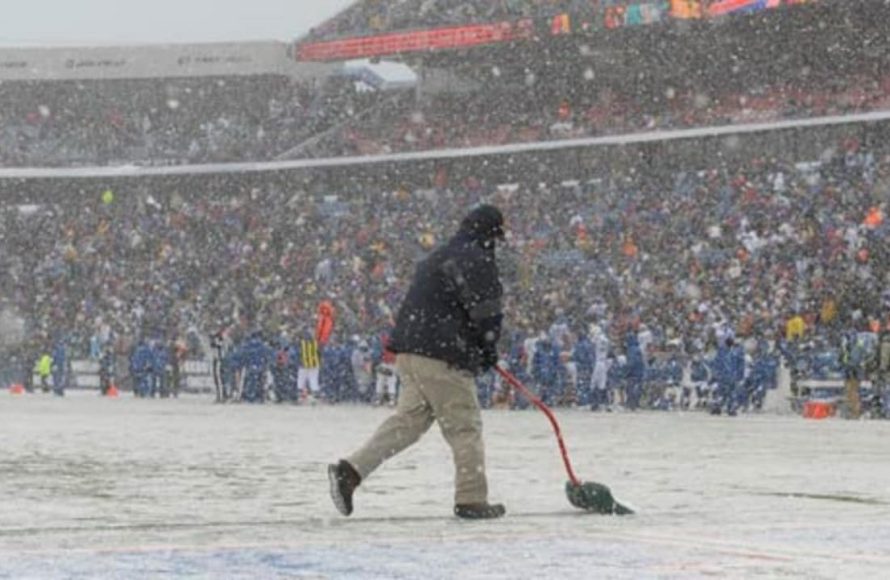
The temperature at a Buffalo Bills game varies greatly depending on the time of year; it can range from mild to well below freezing, often including wind chill that makes it feel significantly colder.
Attending a Buffalo Bills game? You’re probably wondering, “how cold is it at buffalo bills game?” It’s a very valid question. The weather in Buffalo can be pretty unpredictable.
Tailgating and cheering for the Bills is a fantastic experience, but you need to be ready for anything Mother Nature throws your way. Prepare for a chilly day, potentially with biting winds and maybe even some snow.

How Cold Is It at a Buffalo Bills Game?
Okay, let’s talk about the cold at a Buffalo Bills game. It’s not just a little chilly; it can get seriously cold! We’re talking about wind chills that can make your face feel like it’s going to freeze, and sometimes, snow that makes it hard to see the field. So, if you’re planning a trip to Highmark Stadium, you need to know what you’re getting into. It’s more than just a winter coat kind of cold; it’s an experience, and understanding that experience is key to enjoying the game! Let’s dive into all the details about those freezing Buffalo Bills games.
Understanding Buffalo’s Climate
Before we get into the nitty-gritty of game-day temperatures, let’s talk about Buffalo’s overall weather. Buffalo, New York, is located near Lake Erie, and that lake has a big impact on the weather, especially in the winter. The lake effect can bring lots of snow and very cold temperatures.
Lake Effect Snow
Lake effect snow happens when cold air moves across the relatively warm water of Lake Erie. This causes a lot of moisture to get sucked up into the air, which then freezes and falls as snow. Buffalo is famous for these big snowstorms. The lake effect can happen very quickly and can make a huge difference in how cold it feels. This means one minute you might be looking at a light dusting of snow and the next you are in a full-blown blizzard. When this happens before or during a game, it adds another layer of cold to the experience, not to mention making it tougher to see.
Typical Winter Temperatures
During the winter months, Buffalo’s temperatures can be quite low. Average temperatures in December, January, and February usually hover around the 20s and 30s Fahrenheit (-6 to 0 degrees Celsius), but it’s not uncommon to see it dip lower. And remember, these are just averages. On some days, especially when the wind kicks up, it can feel much colder. You have to remember the wind chill factor. That’s when the wind makes the air feel colder on your skin than what the thermometer reads.
Game Day Temperatures at Highmark Stadium
Now, let’s get into what it’s like at Highmark Stadium on game day. The stadium is located just outside of Buffalo, and it experiences the same cold, snowy weather.
Factors Affecting Game Day Cold
There are several factors that can make a Buffalo Bills game extra cold:
Time of Day: Games played in the afternoon usually will be a little warmer than games played at night. As the sun goes down, the temperature drops fast. Night games tend to be significantly colder.
Wind: As we mentioned, Buffalo is known for its wind. Highmark Stadium is very exposed, so there’s not much to block the wind. That wind can make the temperature feel much colder on your skin. The combination of wind and cold air is particularly dangerous for frostbite.
Precipitation: Snow and rain can both make the day feel colder. Wet clothes and shoes make you lose body heat faster. And we know Buffalo gets its fair share of snow during the winter.
Cloud Cover: A cloudy day won’t warm up as much as a sunny one, which means colder temperatures during the game. The sun can provide some warmth, but cloudy conditions keep that warmth away.
Typical Game Day Temperature Ranges
While it’s impossible to give an exact temperature for every game, here’s a general idea of what you might expect:
Early Season (September-October): These games will usually be the warmest, but even then, it can get cool. Temperatures might range from the 40s to 60s Fahrenheit (4 to 15 Celsius).
Mid-Season (November): By November, temperatures usually start to drop. Expect temperatures in the 30s to 50s Fahrenheit (0 to 10 Celsius).
Late Season (December-January): These are the coldest games of the year. You could see temperatures from the teens to 30s Fahrenheit (-1 to -12 Celsius), and remember that wind chill can make it feel much colder.
Playoffs: If the Bills make the playoffs, which often happens, you could be looking at some of the coldest game days of the year. Sometimes games are played in single-digit temperatures and below.
Here’s a table to help illustrate the temperature ranges during different times of the season:
| Time of Season | Typical Temperature Range (Fahrenheit) | Typical Temperature Range (Celsius) |
|---|---|---|
| Early Season (Sept-Oct) | 40s-60s | 4-15 |
| Mid-Season (November) | 30s-50s | 0-10 |
| Late Season (Dec-Jan) | Teens-30s | -1 to -12 |
Real-Life Examples of Cold Games
You’ve probably heard about some seriously cold Buffalo Bills games in the past, and there have been some real doozies. Some of these games have had temperatures below zero degrees Fahrenheit, with wind chills making it feel much, much colder. Players and fans bundle up in everything they have just to stay warm. These super cold games have become part of the mystique of watching the Bills, and fans wear it like a badge of honor.
Dressing for a Buffalo Bills Game
Okay, so now that we understand just how cold it can get, let’s talk about how to dress for a game. It’s not about looking fashionable, it’s about staying warm and safe.
Layering
The best way to stay warm in cold weather is to dress in layers. This means putting on multiple pieces of clothing that can trap heat and keep you warm. Here’s what a good layering system looks like:
Base Layer: This is the layer closest to your skin. It should be a material that wicks away moisture, like thermal underwear or long underwear. Avoid cotton because it traps moisture and can make you colder when wet.
Middle Layer: This layer should provide insulation. Think fleece jackets, sweaters, or down vests. This layer traps air and keeps you warm. You may even consider adding more than one of this layer if it’s particularly cold.
Outer Layer: This is the layer that protects you from the wind, rain, and snow. A good waterproof and windproof jacket is essential. You should also choose a good quality pair of snow pants, if it’s particularly snowy.
Essential Cold Weather Gear
Beyond your layers, here are some other essential items to bring:
Hats: A warm hat is critical, since you can lose a lot of heat through your head. A hat that covers your ears is the best.
Gloves or Mittens: You need warm coverings for your hands. Mittens tend to keep your hands warmer than gloves since your fingers are together, but gloves allow more dexterity. Choose what works best for you.
Socks: Thick, warm socks made of wool or synthetic material are best. Avoid cotton socks as they do not keep your feet warm when wet. Consider bringing a second pair in case they get wet.
Warm Shoes or Boots: Waterproof and insulated boots are a must. Make sure they have good traction so that you don’t slip on ice or snow.
Scarves or Neck Gaiters: Protect your face and neck from the wind and cold. A scarf can help keep the wind from getting down your neck.
Hand and Foot Warmers: These disposable warmers can be a lifesaver on a particularly cold day.
Blankets: Bring some blankets. Although the stadium doesn’t allow large ones, a small blanket could help keep your legs warm.
Tips for Staying Warm
Dressing right is important, but there are other things you can do to stay warm at the game:
Keep Moving: Try to move around a bit. Walking around can help keep your blood flowing and keep you warmer.
Avoid Alcohol: Although it might seem tempting to drink a lot of alcohol, it can actually make you feel colder. Alcohol can cause your blood vessels to expand, bringing blood closer to the surface of your skin. This gives you a false sense of warmth but causes you to lose heat rapidly.
Eat Warm Food and Drink Hot Beverages: A hot cup of coffee or hot chocolate can do a lot to warm you from the inside. A warm meal or snack can also help keep you warm.
Take Breaks: If you start to feel really cold, take a break. Go somewhere inside the stadium to warm up.
Potential Dangers of Extreme Cold
It’s crucial to understand that extreme cold can be dangerous. Here are some things to watch out for:
Hypothermia
Hypothermia happens when your body loses heat faster than it can produce it, causing your body temperature to drop dangerously low. Signs of hypothermia include:
Shivering (although it might stop as hypothermia progresses)
Confusion
Drowsiness
Slurred speech
Loss of coordination
If you think someone might be suffering from hypothermia, get medical help right away.
Frostbite
Frostbite occurs when skin and underlying tissues freeze. It most commonly affects the fingers, toes, ears, and nose. Signs of frostbite include:
Numbness
Pale or bluish skin
Hard or waxy-looking skin
If you suspect frostbite, get medical help. While waiting for help, try to warm the affected area slowly, but do not rub it.
Staying Safe
To stay safe in extreme cold:
Monitor the weather forecast carefully. Pay attention to wind chills.
Dress in multiple layers and wear a hat, gloves, and scarf.
Take breaks inside if you get too cold.
Avoid alcohol and caffeine.
Drink warm beverages and eat warm food.
Keep moving and don’t stay still for long periods of time.
Keep an eye on yourself and others for signs of hypothermia or frostbite.
How to Prepare for a Buffalo Bills Game
Okay, so here’s a simple list of things to do to get ready for a Buffalo Bills game:
- Check the Forecast: See what the weather will be like right before you leave for the game, and be prepared for changes.
- Dress in Layers: Always start with a base, middle, and outer layer, no matter the temperature.
- Bring the Essentials: Hat, gloves, scarf, thick socks, and waterproof boots are a must.
- Pack Hand and Foot Warmers: These can make a big difference in cold temperatures.
- Consider a Blanket: A blanket could provide an extra layer of warmth to your legs.
- Plan for Food and Drinks: Pack warm snacks and drinks, or plan to purchase some at the stadium.
- Share Information: Make sure you know the locations of the warming stations in the stadium, just in case you need them.
- Have an Exit Strategy: Plan for what you’ll do if the cold becomes too much.
Knowing how cold it can be at a Buffalo Bills game is half the battle. The other half is being prepared. This information can make sure you are prepared for that next trip to the game. Remember, the cold is part of the experience of being a Bills fan, but that doesn’t mean you can’t be safe and comfortable.
The Buffalo Bills and their fans have a unique bond, often forged in the frigid temperatures of late-season games. While the cold might seem like a challenge, with the right preparation and a solid understanding of the weather, you can enjoy the excitement of the game and the camaraderie of the crowd. The cold weather has become part of the culture and makes being a fan that much more enjoyable. So, pack your warmest gear, and get ready to cheer on the Bills!
Cold weather hacks if you're going to Saturday's Buffalo Bills NFL wildcard playoff game
Final Thoughts
Game day weather in Buffalo is notoriously unpredictable. Temperatures can plummet rapidly, especially later in the season. Therefore, fans must prepare for extreme cold.
The key factor impacting comfort is the wind chill. Even if the temperature seems manageable, strong winds drastically increase the feeling of cold. Knowing ‘how cold is it at buffalo bills game’ requires checking the wind chill specifically.
To sum up, the temperature at Bills games varies, but plan for the worst. Check the forecast carefully and factor in the wind chill, because it dictates ‘how cold is it at buffalo bills game’.

