
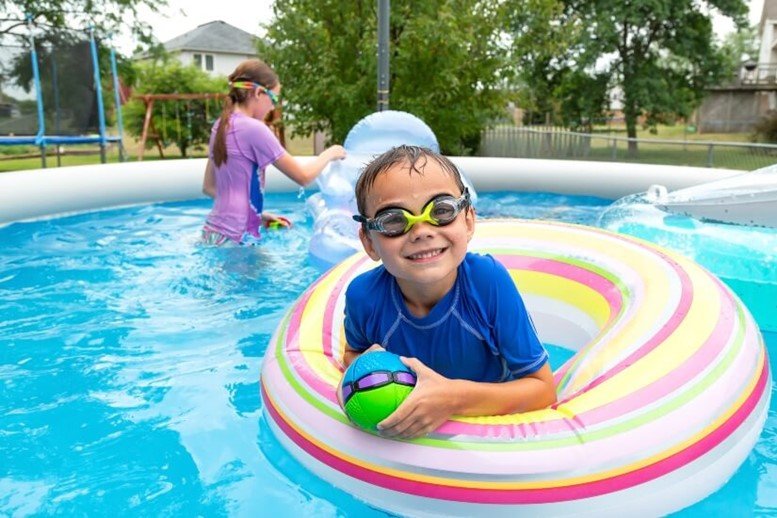
‘Marco Polo’ evolved into a game through simple play, where one person, ‘Marco,’ closes their eyes and calls out their name, while others respond with ‘Polo,’ using sound to guide ‘Marco’ to tag them.
Ever wondered how a 13th-century Venetian explorer’s name became a popular pool game? It’s quite fascinating how something so specific, like an explorer, morphs into a fun activity for kids. How did Marco Polo become a game? It’s a good question that sparks curiosity about the origins of playful traditions.
The game’s beginnings are mostly speculative but the idea likely arose from children using echoing calls during play, and the name “Marco Polo” just stuck. These simple actions of calling and responding, combined with the fun of blind chase, probably solidified how the name got attached to this game we play today.

How Did Marco Polo Become a Game?
The game “Marco Polo” is a staple at swimming pools and playgrounds, a timeless source of giggles and splashing. But how did a 13th-century Venetian explorer become the namesake of this fun-filled game? It’s a fascinating journey that blends history, legend, and the simple joy of play. Let’s dive into the story of how Marco Polo, the man, lent his name to Marco Polo, the game.
The Real Marco Polo: An Explorer’s Tale
To understand the connection, we first need to know a little about the real Marco Polo. Born in Venice, Italy, around 1254, Marco was part of a family of merchants. He was a young man when he embarked on an epic journey to Asia, traveling along the Silk Road with his father and uncle. This journey, which lasted over two decades, exposed him to cultures, customs, and landscapes that were largely unknown to Europeans at the time. He visited China, which was then under the rule of Kublai Khan, the powerful Mongol emperor.
Marco’s Travels and Writings
Marco Polo’s adventures weren’t just about seeing new places. He was a keen observer and documented his experiences in a book called “The Travels of Marco Polo.” This book introduced Europeans to the riches and wonders of the East, sparking curiosity and wonder across the continent. He described the vibrant cities, the spices, the jade, the paper money, and the many things that were so different from what he knew in Venice. His book also shared stories about the people and their cultures. He helped people imagine new and exciting worlds.
From Explorer to Game Name: The Mystery
While we know a lot about Marco Polo’s life and adventures, how exactly his name got attached to a pool game remains a bit of a mystery. There isn’t any concrete evidence linking the explorer directly to the game. It’s more likely a case of a popular name getting attached to a popular activity over time. Think of it like how the game “Tag” doesn’t have a specific “inventor” – it just evolved through play and became named. Here’s what we can infer:
The “Lost” Aspect: A Potential Link
One popular theory connects the “Marco Polo” game to Marco Polo’s travels and what might have been thought of his travels. The central premise of the game is that one person, “Marco,” is blindfolded and calls out “Marco!”, while the other players, the “Polos”, respond by saying “Polo!”. The person who is “it” relies on sound, as Marco might have relied on his senses and descriptions from others to find his way in unfamiliar territories during his travels. This element of being “lost” and relying on sound could have been seen as a parallel to the explorer’s journey. The idea that the “it” player has to find others with their eyes closed, much like how someone trying to find a way through a new area, and using clues, and sound as a guide might have found a connection with the legend of Marco polo.
The Element of “Seeking” and “Discovering”
Another way to think about it is that the game’s focus on searching could be symbolic of Marco Polo’s journeys. In the game, “Marco” is trying to find the other players, just as the real Marco Polo was searching and discovering new lands and cultures. The children playing the game may not have been consciously thinking about the connection, but the underlying theme of seeking could have subconsciously contributed to the name’s adoption.
The Role of Word-of-Mouth
Games are often passed down through generations by word-of-mouth, and they evolve over time. It’s very likely that the game had existed with a similar premise before being named “Marco Polo”. Perhaps a child, familiar with the tales of the famous explorer, made the association one day, and the name just stuck. The name, Marco Polo, is easily remembered and fun for children.
The Evolution of the Game
Regardless of how the name came about, “Marco Polo” has become a beloved pool game worldwide. It’s a simple game to learn, but it provides plenty of room for fun and social interaction. The basic rules remain largely consistent, but there might be minor regional variations.
Basic Rules of Marco Polo
The game is very easy to learn. Here’s how to play:
One person is chosen to be “it”, or “Marco”. This is often decided by drawing straws, or “Eenie, meenie, miney, moe.”
“Marco” closes their eyes or is blindfolded, typically in a swimming pool.
Marco calls out “Marco!”, and the other players must shout “Polo!” in return.
Marco then moves through the pool, trying to tag the other players, relying only on the sound of their voices to find them.
When Marco tags another player, that person becomes the new “Marco,” and the game starts again.
If Marco loses track of the other players, they can call “Marco” again to get another “Polo” response.
Players cannot leave the pool, or “marco” can call out “fish out of water” if they are out of the pool
Variations on the Game
While the basic rules are simple, there are many fun variations that can add more challenge and excitement. Some examples include:
Underwater Marco Polo: Marco must dive underwater to tag other players. This adds a fun challenge and element of surprise.
Color Marco Polo: Before the game starts, the players select a color. Marco, with closed eyes, calls out “Marco color!”, and players shout out “Polo” only if that color matches them.
Obstacle Course Marco Polo: Players are allowed to use flotation devices, pool noodles or other obstacles to evade Marco.
Silent Polo: Players must stay silent and “Marco” has to use his sense of touch, rather than just his hearing, to try to find the “polos.”
Land based marco polo: This variation can be played on land rather than in the pool. The basic rules still apply, but players can hide behind trees, or other stationary objects, to try and evade “marco.”
Why “Marco Polo” is Still Popular
The game’s enduring appeal can be attributed to several factors:
Simplicity and Accessibility
The game requires no special equipment and very little explanation. Anyone can easily understand the rules and join in. It is a game that can be picked up by players of any age.
Social Interaction and Fun
“Marco Polo” encourages social interaction, laughter, and active play. It is not a solitary game. It’s a great way for kids to make friends, build social skills, and have fun together. It is a game that is fun to watch and fun to play, making it enjoyable for everyone involved.
Active Play and Exercise
The game encourages movement and physical activity. It’s a great way for children to get exercise without even realizing they are doing it.
A Connection to History (Even if Implied)
Although most children probably aren’t thinking about the historical Marco Polo when playing the game, there’s an underlying connection that adds a subtle layer of intrigue. It connects the simple act of play to a grand adventure from history, even if indirectly.
The Enduring Legacy of a Name
In the end, while the exact origin of “Marco Polo” as a game name may be shrouded in a bit of mystery, its popularity is not. The name itself carries a legacy of adventure, exploration, and fun, and these are qualities that are also present within the game itself. “Marco Polo” has captured the imaginations of children and adults for generations, proving the power of a simple game and a catchy name. It’s a great example of how history, legend, and the joy of play can come together to create something timeless. Whether or not the explorer would recognize the game, it has certainly become a part of his legacy. The game “Marco Polo” is more than just a way to splash around in the pool. It’s a reminder that play is a fundamental part of being human, and it can connect us to each other and to the stories of the past in surprising ways. So, next time you hear the shout “Marco!” followed by the response “Polo!”, think of the journey the name took from a 13th-century explorer to the sound of splashing fun in your backyard or community pool. It is a game that will likely be played, and enjoyed for many years to come.
The journey of “Marco Polo” from a historical figure to a popular game highlights how legends and stories can permeate our everyday lives. The connection between the explorer’s journeys and the seeking aspect of the game adds a deeper, if unspoken, meaning to the fun. It is the name, combined with the playfulness of the game, that allows it to survive. It’s a testament to the power of storytelling, and how it can inspire us, and, sometimes even shape the way we play.
How to Play Marco Polo
Final Thoughts
The game evolved from a simple pool activity, where one person closed their eyes and called out “Marco.” Others respond with “Polo,” aiding the blindfolded player to locate them. Over time, children adapted it into a classic game played outside of water, keeping the core idea.
“How did Marco Polo become a game?” The game’s simple premise and adaptable nature helped it spread globally, becoming a popular childhood pursuit. This adaptation turned a location activity into a fundamental game.

