
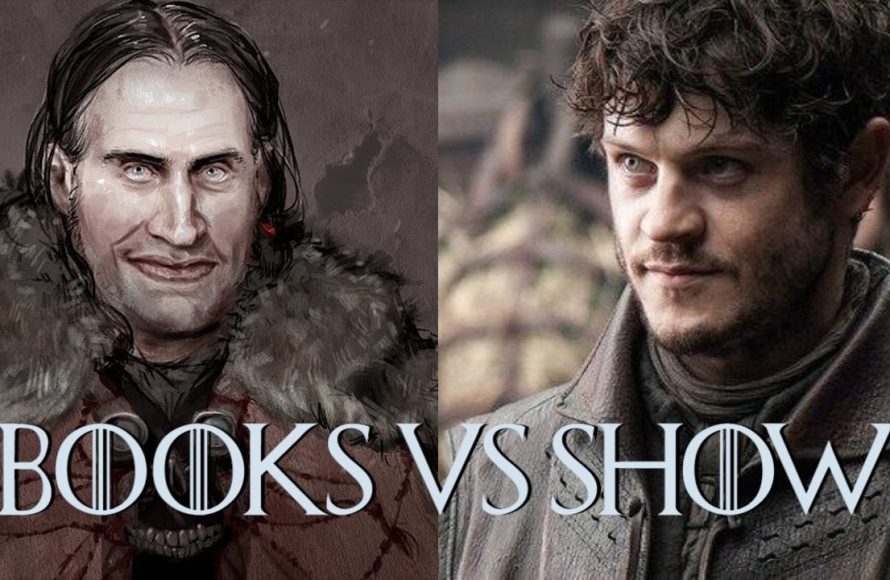
The show significantly alters character arcs, plotlines, and sometimes entire events, diverging from George R.R. Martin’s A Song of Ice and Fire series in many crucial aspects.
The dragons soared onto our screens, kings clashed for the iron throne, and the drama captivated millions. But have you ever wondered how different is Game of Thrones from the book? Many fans are curious about what changes were made when the sprawling fantasy world was adapted to television. It’s a complex matter considering the number of changes.
Characters behave differently and some storylines veer off from the intended course laid out in the novels. The show has made its own path. Some plot points changed entirely as the show moved further away from the source material.

How Different Is Game of Thrones from the Book?
Okay, let’s talk about the differences between the “A Song of Ice and Fire” books and the “Game of Thrones” TV show. If you’ve watched the show, you probably know that it follows the story of the books – mostly. But “mostly” is the key word here. There are tons of changes, big and small, that make the book and show experiences quite different. Sometimes these changes were necessary to fit a big story into a TV format, but sometimes, they just changed things up for other reasons. Let’s dive into some of the biggest ways they differ.
The Characters: Altered Destinies and Personalities
Characters are the heart of any story, and this is where we see some major changes. It’s not just that actors look different from how we imagined them in the books, it’s about their actions, their journeys, and even their personalities.
Young Griff (Aegon Targaryen)
One of the biggest character omissions is Aegon Targaryen, also known as Young Griff, in the books. He’s introduced as a person claiming to be the son of Rhaegar Targaryen and Elia Martell, who supposedly escaped death as a baby. In the show, this character doesn’t exist. He has a huge impact on the plot, so his absence significantly changes the course of events in Westeros. Many fans were really sad to see him cut out.
Lady Stoneheart
In the books, after Catelyn Stark dies at the Red Wedding, she gets brought back to life by the Brotherhood Without Banners. She becomes Lady Stoneheart, a vengeful, undead version of herself, focused on revenge. This character does not appear in the show at all. Her absence alters a lot of storylines in the Riverlands.
Barristan Selmy’s Fate
Ser Barristan Selmy, the brave knight, has a very different journey in the show. He is killed in Meereen in the series, trying to protect Daenerys. In the books, he is still alive and continues to be a very important character in Daenerys’ plotline. His role is much more significant in the source material.
The Dorne Plotline
The entire Dorne storyline in the show is very different from the books. The book characters, such as Arianne Martell and her cousins, play very different roles from the Sand Snakes in the show. In the TV show, the plot in Dorne gets quite simplified, losing much of the political intrigue from the books. Also, Prince Doran Martell’s personality is drastically changed. In the books, he’s a schemer, while in the show, he comes across as much weaker and less intelligent.
Tyrion’s Personality Change
While Peter Dinklage did an amazing job as Tyrion, his character in the later seasons of the show became much less complex and interesting. In the books, Tyrion is a much more morally ambiguous person. He is still brilliant, but he makes a lot more mistakes and has a much darker side. His wit and complexity seemed to fade in the show’s final seasons.
The Plot: Divergences in the Storyline
Beyond the characters, the stories themselves differ quite a bit. Certain events happen at different times, with different people involved, or they don’t happen at all.
The Iron Islands
The Iron Islands’ story in the show is condensed compared to the books. Victarion Greyjoy, Euron’s younger brother, is a major player in the books, a skilled warrior and ship captain who interacts with Daenerys. In the show, Euron takes over much of Victarion’s role. The books show a much more complicated Iron Islands political landscape that is mostly absent from the screen.
Sansa’s Story
Sansa Stark’s journey is quite different in the books. She is not involved with the Boltons as intensely as the show depicts. In the books, she is still in the Vale with Littlefinger, learning his games. The show greatly accelerates her experience and takes her back to Winterfell sooner than what’s written in the books.
The Battle of the Bastards
The Battle of the Bastards, while a great action sequence in the series, doesn’t exist in the books. Jon Snow’s takeover of Winterfell happens through a very different set of events. Ramsay Bolton plays a role in a different scenario in the books. This big battle was made up for the show, and it changes the context of how the Starks reclaim their home.
The White Walker Invasion
The scale and strategy of the White Walker invasion in the show are also quite different. The show quickly went to massive battles, while the books take a slower, more ominous approach to the threat. The details on the Night King and White Walker story are also different. The book plot line for the white walkers is still ongoing, so the show chose a simpler end to the threat.
The Prophecies
The books contain a lot of prophecies that get hinted at but not fully explored in the show, such as the “Prince that was Promised.” In the show, these prophecies are kind of forgotten, but they play a significant role in the book’s overall structure and themes. Prophecies such as the Valonquar also never made it on screen.
The Ending
We all know the controversial ending of the show. Well, because the books are not finished, we do not know if George R.R. Martin will write the same ending as the show. There is a very big possibility that the ending to the books will be very different and have more layers and intricacies.
Themes: Different Focus and Emphasis
Beyond characters and plots, there are also differences in the themes that the show and books decide to highlight. The books focus much more on the political machinations of Westeros and the complicated nature of power, while the show tends to focus more on the action and dramatic moments.
The Political Complexity
The books go much deeper into the political webs of Westeros, showing the competing interests of all of the houses. It’s a more layered political chess match than what was represented in the show. The show simplified these conflicts, focusing on fewer key players.
Moral Ambiguity
While both versions have morally complex characters, the books seem to lean into the grey area more. The show often portrays some characters as more straightforwardly good or bad, whereas the books don’t offer such easy distinctions. The books take a more cynical view of the characters and their actions.
Magic System
Magic plays a larger and more enigmatic role in the books. The show makes some magic more visual and direct, but in the books, magic is often mysterious, subtle, and not completely understood. There are more magical elements present in the books, such as the nature of the “old gods” and the role of the greenseers.
Format: A Different Approach to Storytelling
The format of a book and a television show will always affect how the story is told. Here are some key format differences.
Point of View
The books are written with a third-person, limited point-of-view. This means that the story is told from the perspective of one character at a time. This is not something that can easily be translated to the screen because we get an “omniscient” view in the show. We know everything about the different characters because we can see them all at once.
Time
The books have a much slower pace than the show, allowing for more detailed character development and world-building. The show sometimes compresses timelines to keep things moving at a TV-friendly pace. This difference creates a very different reading and viewing experience.
A Summary Table
To help visualize the differences, here’s a simplified table:
| Aspect | Books (A Song of Ice and Fire) | Show (Game of Thrones) |
|---|---|---|
| Major Characters | Include Young Griff, Lady Stoneheart, Victarion Greyjoy, and a more complex Dorne plot. | Omits or condenses several characters/plotlines. |
| Plot | More intricate and layered, slower pace. | Simplified, more fast-paced. |
| Political Intrigue | Very detailed with multiple competing houses. | Streamlined with fewer key players. |
| Moral Complexity | Leans into ambiguity; characters are morally grey. | Sometimes depicts characters as more obviously good or bad. |
| Magic | Mysterious, subtle, not fully explained. | More direct and visual. |
| Point of View | Third-person, limited view from one character at a time. | Omniscient point of view, see everything. |
| Pacing | Slower, more detailed development. | Faster-paced, condensed timelines. |
In conclusion, while “Game of Thrones” did an incredible job of adapting “A Song of Ice and Fire” to television, there are lots of big differences. Whether you prefer the books or the show, each tells an amazing story in its own way. The two experiences are different enough to make both worthwhile.
Game of Thrones: Everything They Changed From the Books
Final Thoughts
The show simplifies complex storylines and merges characters. Significant plot points differ considerably, especially in later seasons. Characters like Sansa and Tyrion experience completely different trajectories than in the books.
This adaptation often prioritizes spectacle over intricate detail, changing motivations. ‘how different is game of thrones from the book’ is a complex topic. The changes made led to a drastically different ending, a must point to note.

