
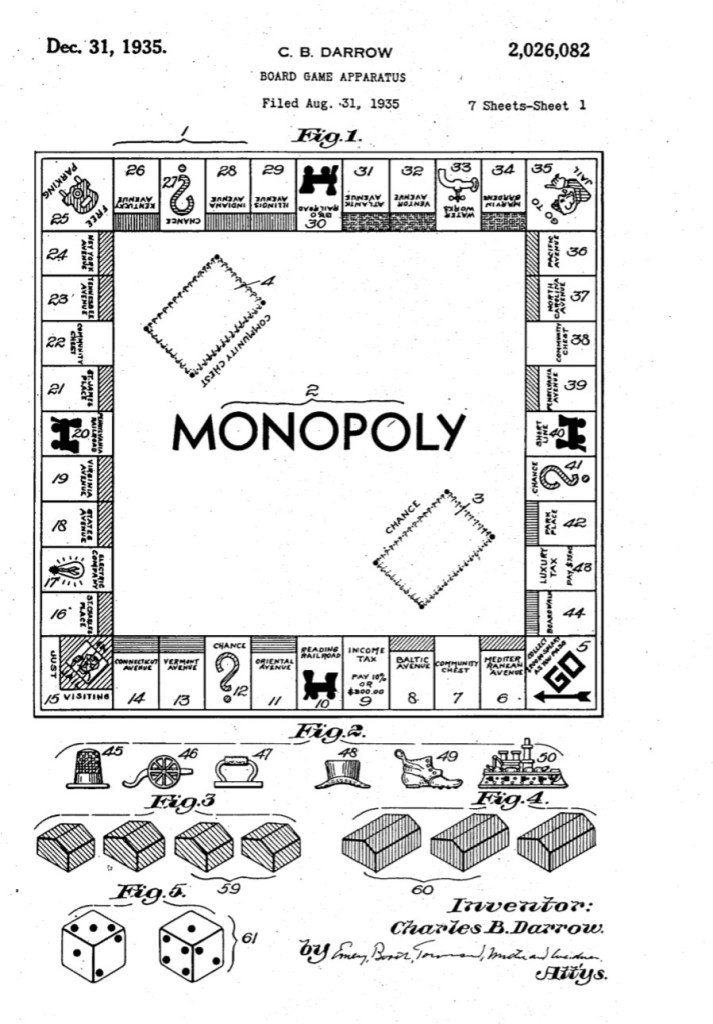
To patent a board game, you must protect its unique mechanics and rules, not just the game’s idea, by filing a patent application with the relevant patent office describing these specific elements.
So, you’ve poured your heart into creating a fantastic board game, and now you’re asking yourself, “how do i patent a board game?” It’s a common question for aspiring game designers, and understanding the process can feel a bit like navigating a complex game itself!
Patenting isn’t about the general concept, it’s about the novel ways you’ve structured the gameplay. This means focusing on the specific elements of your board game that are truly original and not simply a variation of existing games.

How Do I Patent a Board Game?
Creating a board game is exciting! You have this amazing idea, and you can’t wait to share it with the world. But before you do, you probably want to protect it. That’s where patents come in. Getting a patent for your board game can be tricky, but it’s definitely not impossible. It’s not as simple as just saying “I have a board game!” You have to show that your game is new and unique. Let’s dive deep into the world of board game patents and figure out how to navigate this process.
Understanding What Can Be Patented
Before we get too far, it’s essential to understand what aspects of your board game are even eligible for a patent. You can’t patent the general idea of a board game itself. Things like rolling dice or moving pieces around a board are not new, so they can’t be patented. Think of patents as ways to protect specific, unique inventions.
The “Novelty” Factor
For a patent, something has to be novel, meaning that it must be truly new. If another person or company has already made something very similar to your creation, you won’t be able to patent it. To avoid this, you need to do a very thorough search. This search will show you what’s already out there and can help you know if your game is truly novel.
Focus on the Unique Aspects
So, what can you patent? Typically, it’s the unique mechanics or the rules of your game that can be patented. This could mean:
A completely new way that players interact with the game board.
A brand new method for scoring points.
Unique card mechanics that are unlike anything currently available.
The original combination of game pieces or components.
A special rule that creates a novel play experience.
It’s important to remember that it’s about more than just making small changes to an existing game. The changes need to be significant and result in something genuinely new.
Types of Patents Relevant to Board Games
When thinking about your board game, there are usually two main types of patents that could apply:
Utility Patents
These are the most common kind of patent. A utility patent protects the way something works or how it is used. In terms of board games, this often relates to the specific rules or mechanics of how the game is played. So, if your game has a special, never-before-seen method of scoring points or a unique way to interact with the board, a utility patent would likely be the right fit. It’s the ‘how’ of the game that a utility patent protects.
Examples of Utility Patent Claim:
A unique sequence of actions that players must follow.
A special mechanism for card drafting or resource management.
An original way to resolve conflicts between players.
A novel system for moving game pieces based on particular conditions.
Design Patents
A design patent protects the way something looks, its aesthetic appearance. This could involve things like the shape of your game pieces or the unique layout of your game board. It’s the ‘what’ of the game, it focuses on the visual design. This doesn’t cover how the game works, but rather, the look of the board, pieces and other parts.
Examples of Design Patent Claim:
The specific shape of a game board with a particular design.
Unique sculptural elements of game pieces.
A special art style or patterns used on game cards.
Unusual way to pack the game or the design of the game box.
It is possible to apply for both design and utility patents if the game has both a unique look and novel mechanics.
The Patent Application Process: A Step-by-Step Guide
Applying for a patent can seem a bit daunting at first, but here’s a breakdown of the steps you’ll typically need to take:
Step 1: Conduct a Thorough Prior Art Search
This step is really important. Before you spend any money on a patent, you need to see if there’s anything else out there that is similar to your game. A prior art search means that you are searching the patents database, internet, and other resources to find out if a game with your rules, idea, and unique mechanics already exists. If so, you can’t get a patent. You can do this yourself using online patent databases or consider hiring a professional to do it for you.
Step 2: Preparing Your Patent Application
Once you have determined that your game seems novel, it’s time to start writing your patent application. This is a very detailed document that explains exactly what your invention is. Here’s what the application needs to include:
Detailed description: You’ll need to explain every aspect of your game, including how it works, what its special rules are, and how the game pieces interact.
Drawings: If you have a design patent in mind, clear and specific drawings of your game pieces and board are a must.
Claims: This is the most important part. It’s where you define specifically what parts of your game you want to protect. It’s like drawing a fence around your invention.
Filing the Application: You’ll need to file your patent application with the relevant patent office, which for the US, is the United States Patent and Trademark Office (USPTO).
Step 3: The Examination Process
Once you submit your application, it doesn’t mean you automatically get a patent. It goes to a patent examiner. The patent examiner will check your application to see if your invention really is new and unique. The examiner might reject some of your claims or ask you to provide more information. You may need to respond to these objections. This process can take quite some time.
Step 4: Granting and Maintaining Your Patent
If the patent examiner approves your application, you’ll get a patent for your game. That’s great! But, a patent isn’t a one-time thing. You have to pay fees to keep your patent active. These fees usually come in the form of maintenance fees that must be paid at intervals throughout the patent’s lifespan.
The Role of a Patent Attorney
The patent application process is complicated, and while it’s possible to do it yourself, it’s often a really good idea to hire a patent attorney. Patent attorneys are experts in patent law. They can make sure that your application is written in a way that gives you the best possible protection. They can also represent you when talking with the patent office. A patent attorney is especially helpful when writing your claims and also in drafting the detailed description of the game and its components.
Benefits of Hiring a Patent Attorney:
Expertise: They have an in-depth knowledge of patent law and application processes.
Precision: They can craft claims that provide you with maximum legal protection.
Experience: They can guide you through the complex application procedures.
Negotiation: They can represent you when responding to patent office objections.
Beyond Patents: Other Ways to Protect Your Board Game
Patents aren’t the only way to protect your board game. There are other legal tools you can use:
Copyright
Copyright is something that protects your original works, like the written rules of your game, the artwork on the board or the game cards. Copyright protection is automatic in many countries from the moment of creation, but registering your work could provide added legal protection. Copyright helps to protect how your game looks or is written but doesn’t protect the mechanics of how your game works.
Trademarks
Trademarks protect your brand names, logos, and slogans. If you have a catchy name for your game, you could apply for a trademark to prevent other people from using the same name. You can also trademark the design of your logo or distinctive packaging of your board game. This helps consumers identify your game and distinguish it from others.
Trade Secrets
A trade secret is confidential information that gives your business a competitive edge. This can be anything from a special manufacturing process to the unique combination of features in your game. To maintain trade secret protection, you must make a deliberate effort to keep the information confidential. Trade secrets can last indefinitely, unlike patents, but they are only effective as long as they remain a secret.
The Cost of Patenting a Board Game
Let’s talk about cost, because that’s a really important factor for anyone getting a patent. The cost for a patent can be high, and it depends on different things. Here are some of the costs you need to keep in mind:
Patent attorney fees: These can vary a lot depending on the experience of the attorney and the complexity of your patent application.
Filing fees: The USPTO charges a fee to submit your patent application.
Maintenance fees: If your patent gets approved, you need to pay maintenance fees to keep it active.
Search costs: If you decide to hire someone to perform a prior art search, this will add to your costs.
It’s a good idea to create a detailed budget before you start the process, so you have a clear idea of what the costs are and what you can afford.
When Is a Patent Really Necessary?
The decision to get a patent isn’t something that you should decide on lightly. It’s an investment, and it’s really helpful to consider if it’s necessary or worth the cost and effort. Here are some things to think about:
Is your game very unique? If you’ve created something that’s truly new and different from all other games, it’s probably a better candidate for a patent.
Is your game commercially viable? If you think your game has the potential to be really popular and make a lot of money, a patent might be a smart move to protect your investment.
Do you have the budget for a patent? The cost of a patent can be considerable. Make sure it’s a realistic investment for you.
Do you need to protect every element? Perhaps you don’t need a utility patent. A design patent or even just a trademark or copyright might be sufficient protection.
Navigating the Patent Process: Practical Tips
Here are some practical tips to keep in mind as you go through the patent process:
Do your homework: Conduct that thorough prior art search.
Document everything: Keep detailed records of the development of your game.
Be patient: The patent process can take a long time.
Be prepared to explain your game clearly: The patent office will need to understand it to approve your patent.
Don’t give up: If your application is rejected, there are ways to respond and possibly get your patent approved.
Getting a patent for your board game is an involved and complex process, but it’s a good idea if you believe that your game is something genuinely new and commercially viable. Understanding the different types of patents, how the application process works and what the costs are, is essential if you want to protect your creation. Don’t forget, patents are not the only way to protect your game. Copyright, trademarks, and trade secrets can also play an important role. If you’re not sure where to start, it’s always a good idea to consult with a patent attorney. With some careful planning, good research, and a little patience, you can get the legal protection you need for your board game.
Can I Patent a Board Game? EP130
Final Thoughts
To secure protection for your board game, you must understand the patent process. You can’t patent the game’s concept, but you can protect specific novel components. These may include uniquely designed game pieces or innovative mechanisms.
Begin by researching existing patents to ensure your design is truly new. Consult a patent attorney to help with the detailed application. The process can be complex and requires careful preparation.
Ultimately, to answer the question of “how do i patent a board game”, focus on securing protection for its original, tangible features.

