
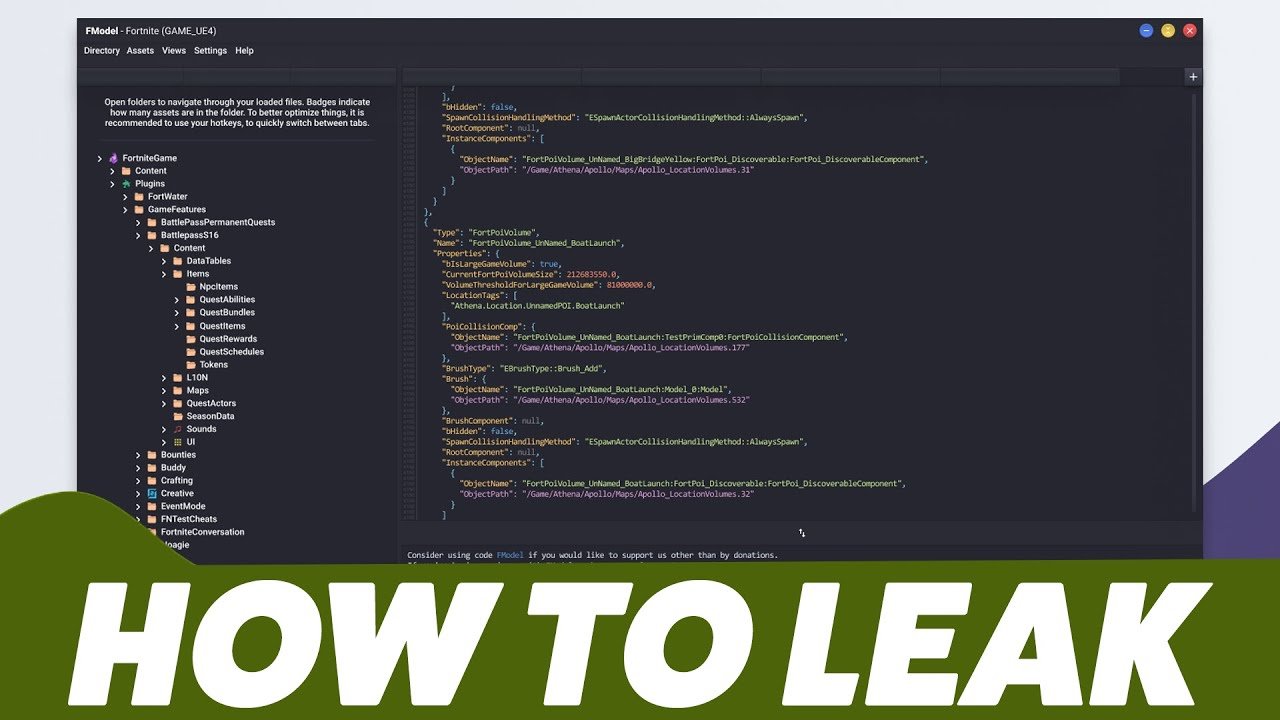
Datamining a game involves extracting data files from the game’s installation, often using specialized tools, and then analyzing these files for information like character stats, hidden features, or upcoming content.
Ever wondered what secrets hide beneath the surface of your favorite game? That urge to know more, to peek behind the curtain, that is the essence of game datamining. The question of ‘how do you datamine a game’ often comes up when people get curious about what’s really going on inside their favorite digital worlds.
It’s a fascinating process that allows players to explore aspects not readily visible in normal gameplay. This exploration gives a deeper understanding of the game’s mechanics and upcoming content.

How Do You Datamine a Game?
Ever wonder how people find out about cool, unreleased features in your favorite video games? Or how they get all those detailed stats and information that aren’t shown in the game itself? The answer often involves something called “datamining.” It’s like being a detective for video games, digging through their files to see what secrets are hidden inside. It’s not magic; it’s a process of looking at the raw data behind the game. This might sound super complicated, but we can break it down to understand the basics of how it works. So, let’s put on our detective hats and explore how people datamine games!
What Exactly Is Game Datamining?
Imagine a video game as a giant box of LEGO bricks. When you play the game, you only see what the game developers want you to see – maybe a spaceship, a castle, or a race car. But inside that box of LEGOs, there are tons of extra pieces, instructions, and designs that aren’t being used or aren’t ready to be seen. Datamining is like taking that LEGO box and looking at all the pieces and instructions, including the ones that are hidden or not yet put together. It’s the act of examining the files that make up the game to find information that isn’t readily accessible. This can range from upcoming characters and items to hidden maps and game mechanics. It’s all about looking under the surface and seeing what’s really going on within the game’s code and data.
Why Do People Datamine Games?
You might be wondering why someone would spend their time digging through game files. Here are a few common reasons:
- Spoilers and Early Information: Gamers are often curious about what’s coming next. Datamining can reveal upcoming content like new characters, levels, weapons, and game modes before they are officially announced. This creates excitement and anticipation in the gaming community.
- Understanding Game Mechanics: Datamining can give players a deeper understanding of how a game works. It can reveal specific stats, damage calculations, and other hidden information that can help players become better at the game.
- Modding and Customization: Some dataminers use the information they find to create mods. These mods can change the game in creative ways, adding new features, content, or fixes. Datamining helps modders find the resources they need.
- Community and Curiosity: Sometimes it’s just about the thrill of the chase! The gaming community enjoys the detective work and sharing what they find. It adds a layer of fun to the gaming experience.
The Process of Game Datamining: A Step-by-Step Guide
Datamining can seem like a complicated process, but it involves a series of steps that can be understood by everyone, regardless of technical experience. It’s not something you can do with your phone and a simple click. So let’s get into the actual steps of how this is done.
Step 1: Accessing Game Files
The first step is to get access to the game’s files. How you do this depends on the game and what platform it’s on (PC, console, mobile). For PC games, the game files are often stored in a folder that’s easy to find. For mobile games, files are sometimes hidden away. Console games usually have encrypted files, making them more difficult to access. Here’s a closer look at accessing files on different platforms:
- PC Games: The game files are typically located in a directory on your computer’s hard drive. You can find these by navigating the game’s installation folder in your file explorer. You’ll see a mix of files, including text documents, image files, audio files, and coded data files.
- Mobile Games: These files are often harder to get to, especially on devices with stricter security. Sometimes, you will need to root (for Android) or jailbreak (for iOS) your device to access the system folders that hold the game files. But keep in mind, doing this can void your device’s warranty and potentially cause problems, so be cautious. On some emulators for mobile games, data mining is often easier.
- Console Games: Console games are the most difficult to datamine. The files are usually encrypted and require specialized tools to access and decrypt. This also often involves modding or other changes to the console, which can sometimes have legal or warranty-related consequences.
Step 2: Understanding File Types
Once you have access to game files, you will see a variety of file types. These are the formats in which the game’s data is stored. Knowing how to recognize these helps you know what kind of information you’re looking at. Here’s a brief breakdown of some file types you will often find:
- Text Files (.txt, .ini, .json, .xml): These files usually contain text data and often store information like game settings, configuration parameters, character descriptions, and item names. They are often readable with a standard text editor.
- Image Files (.png, .jpg, .dds): These files store images, like icons, character models, textures, maps, and in-game artwork. You can view these with an image viewer or photo editing software.
- Audio Files (.mp3, .wav, .ogg): These files store music, sound effects, and voice lines in the game. They can be played with a media player.
- Data Files (often with unique extensions): These can be any kind of proprietary file formats developed by the game developers to store a huge range of game data including 3D models, map data, game code, configuration files, and so on. These require specialized tools or scripts to examine and understand, and are very difficult to open without the correct tools. These are the files that often hold the most secrets, but they can be very difficult to understand.
Step 3: Using Tools and Software
Now comes the part where specific tools are needed. Many programs and scripts are designed to help people datamine games. This software helps you sort through the files, understand their formats, and extract the data you’re interested in. You wouldn’t try to dig a hole with a spoon, and datamining uses specialized “tools” as well. Here are some examples:
- Text Editors: Programs like Notepad++ or Sublime Text allow you to open and read text-based files. They also help you look for specific words, numbers, or patterns inside the text.
- Image Viewers: These let you see image files in the game. Some have special abilities to handle different types of image files, and allow you to view image files of several formats, especially formats specific to gaming.
- Audio Players: Media players can play the game’s audio files, making it possible to listen to new music tracks, dialogue or sound effects.
- Custom Tools and Scripts: Many games have their own unique file formats, that will require tools that are specifically made for the game, including software or scripts written by other dataminers or software engineers, to understand data and extract specific items.
- Reverse Engineering Tools: For more complicated datamining, tools like debuggers and disassemblers can be used to examine the code of a game to find more secrets or to create custom tools. This is a more advanced technique, and needs lots of technical knowledge.
Step 4: Analysis and Interpretation
Once you’ve extracted the data using these tools, the next step is to analyze and interpret it. This is where you look for patterns, clues, and information that might reveal something new about the game. For example, if you have a list of game items, you can look at the names, descriptions, and stats to figure out their functions and find out if they are still unused, or in future updates. This is a very important part of datamining as all the info you have found needs interpretation to understand the meaning and value. This process can vary, but here is a general view of what this process might look like:
- Looking for Patterns: Does a number keep popping up? Is there a pattern in the naming of new characters? Looking for these repeated patterns can lead to important discoveries.
- Searching for Keywords: Dataminers often search for words related to new content that hasn’t been revealed yet, like the names of unreleased characters or weapons.
- Cross-Referencing Data: Combining data from different files can help give more context. For instance, a new texture may go with a new character model.
- Sharing with the Community: Finally, dataminers share their findings on forums, websites, and social media. This helps the community get a better view of upcoming game content.
Ethical Considerations in Datamining
While datamining can be fun and interesting, it’s important to consider the ethical implications. Here are a few things to keep in mind:
- Spoilers: One of the biggest concerns is spoiling the game for others. Finding out about new content early can ruin the surprise for players who prefer to discover things naturally.
- Developer Intent: Game developers plan out reveals and announcements carefully. Datamining can interfere with these plans and negatively impact the experience for those who prefer the developers’ way of unveiling things.
- Copyright and Intellectual Property: Accessing game files without authorization can sometimes violate copyright laws or the game’s terms of service. It’s essential to check the legal aspects of datamining in your region.
- Personal Responsibility: It is up to every person who does datamining to decide how to use the information they find. Sharing info with friends is one thing, but posting on public platforms where people can be spoiled is another.
Tips for Responsible Datamining
If you are curious about datamining, but want to be a responsible part of the gaming community, here are a few guidelines:
- Don’t Share Spoilers Carelessly: If you find something interesting, think before you post. Use spoiler tags or give warnings.
- Consider the Impact: Think about how your actions could affect the game developers and other players.
- Respect Legal Boundaries: Always make sure that you are not doing anything illegal by accessing or distributing content, especially if you use third-party software.
- Learn the Game Before You Dig: It is always a good idea to play the game normally before doing any type of datamining, to make sure that you are not spoiling yourself or others with leaks.
Is Datamining Right for You?
Datamining is a way of learning about game development and mechanics. If you enjoy being curious, like problem-solving, and are interested in the hidden details of the games, it might be a fun hobby for you. If you are interested in computers and the technical aspects of a game, datamining might be interesting to you. However, if you are only looking to spoil the game for others, then datamining is not a good idea.
The Future of Game Datamining
Game datamining is always evolving as game technologies advance. As game developers come up with more ways to protect game data, dataminers will need to find new ways to dig into the game’s hidden secrets. It’s a continuous cat and mouse game, with each side trying to outsmart the other. This process helps the players get a better understanding of game content and mechanics, while developers improve on their process of securing and delivering the games. The future of game datamining is about constant change and new challenges for both sides, and how the game is delivered and presented.
Datamining video games is a combination of detective work and technology. It is like looking inside the engine of a car, to see how each part works. It can give you new information about the game’s content and mechanics. You should do it responsibly to respect developers and the gaming community. Datamining is an ever-changing part of the gaming world, and each person will have to decide how to approach this process.
How To Datamine Unreal Engine Games Versions 4 and above
Final Thoughts
To datamine a game, you typically need specialized tools and knowledge of file formats. You often extract game assets like textures and models. Sometimes, people analyze game code for hidden features or mechanics.
Figuring out how game data is stored is key. Modding communities often share tools, making the process easier. Proper techniques for data extraction are vital.
Essentially, how do you datamine a game involves identifying files, extracting them, and interpreting that data. This process requires technical skill. This must be practiced with caution.

