
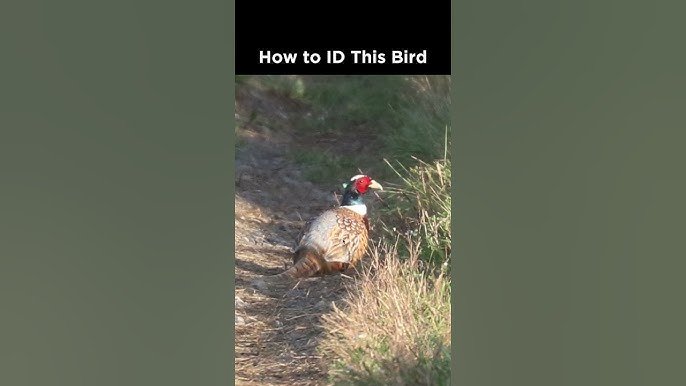
Identifying a game bird often requires observing specific traits like their plump body, short wings, and their typical habitat or behaviors.
Have you ever wondered, while hiking or observing wildlife, how do you identify a game bird? They often blend in with their surroundings. Recognizing them is about understanding key features.
These birds usually have a heavier build and shorter wings compared to other birds. They may flush from cover when approached. Learning their usual environments helps in proper identification too.

How Do You Identify a Game Bird?
Identifying game birds can be a fun and rewarding skill, whether you’re a hunter, a birdwatcher, or simply curious about the wildlife around you. It’s like being a detective in nature, looking for clues to figure out who’s who in the feathered world. Game birds, unlike songbirds or raptors, are birds that are traditionally hunted for sport or food. They have certain characteristics that set them apart, and knowing what to look for will help you identify them correctly. Let’s dive into the details of what makes a game bird a game bird and how you can become a keen observer.
Understanding the Basics of Game Bird Identification
Before we get into specific birds, let’s cover some general things that apply to most game birds. Remember, not every bird fits neatly into a single box, but these common characteristics are a good starting point.
Size and Shape
Game birds often have a stockier build compared to other types of birds. Think of a chicken – it’s not sleek and slender, but rather robust and solid. This is because they spend much of their time on the ground, scratching for food.
Body Size: Generally, they range from medium to large in size. While there are exceptions, they’re usually bigger than songbirds.
Shape: Many have rounded bodies, short necks, and strong legs and feet. This body type helps them move quickly on the ground and take flight when needed.
Habitat Clues
Where you see a bird can tell you a lot about what it might be. Game birds have specific habitat preferences.
Upland Birds: These birds, like pheasants and quail, tend to live in fields, grasslands, and brushy areas.
Waterfowl: Ducks and geese are examples of waterfowl, and you’ll find them near water bodies like lakes, rivers, and marshes.
Woodland Birds: Some game birds, such as grouse and wild turkey, make their homes in forests.
Behavioral Traits
Observing how a bird behaves is as crucial as seeing what it looks like.
Ground Dwellers: Many game birds spend most of their time on the ground. They often walk or run rather than hop like songbirds.
Flocking Behavior: Some game birds, like quail, often live in groups called coveys. Others, like pheasants, may be seen alone or in small family groups.
Flight Pattern: When startled, game birds often burst into flight with a loud, whirring sound of their wings. Their flight is usually fast and straight for short distances.
Feeding Habits: Look for signs of scratching or foraging in areas they might occupy. Game birds search for food on the ground.
Key Identification Features
Now that you know the basics, let’s delve into the specific features that help you tell one game bird from another.
Plumage (Feathers)
The color and pattern of a bird’s feathers are a major clue to its identity.
Coloration: Game birds often have earth-toned colors like browns, grays, and tans. This helps them blend into their surroundings for camouflage.
Patterns: Look for spots, stripes, and bars on their feathers. For example, pheasants often have bright colors and bold patterns, while grouse are more mottled.
Sexual Dimorphism: In many species, the males and females have different plumages. Male pheasants are usually much more colorful than females, who are often duller to blend into their nesting environment.
Seasonal Changes: Keep in mind that some birds may have slightly different coloration depending on the time of year.
Head Features
Pay close attention to the head; it holds many key details.
Beak Shape: Different game birds have different beak shapes that help them eat their specific diets. For example, waterfowl have broad, flat bills for dabbling in water, while upland birds have pointed beaks for picking up seeds.
Eye Color: The eye color is a small detail, but it’s worth noting.
Crests and Combs: Some game birds, like male turkeys, have a fleshy wattle hanging from their necks and a crest or comb on their heads.
Facial Markings: Look for specific patterns around the eyes and beak.
Legs and Feet
The legs and feet are useful indicators, particularly for ground-dwelling birds.
Leg Length: The length of the legs can vary among species. Some game birds have very long legs for running and scratching.
Foot Structure: Notice if they have long claws, which help with scratching the ground, or webbed feet, which aid in swimming.
Spurs: Male birds, like turkeys and some pheasants, will often have sharp spurs on the backs of their legs that are important during breeding season.
Tail Characteristics
The tail can vary in length, shape, and color, making it another helpful feature.
Tail Length: Some game birds have long tails, while others have short ones. For example, the ring-necked pheasant has a very long tail, while the quail has a stubby one.
Shape: Tail shapes can vary, too. Some tails are pointed, some are fan-shaped, and some are square.
Color and Patterns: Like the body feathers, pay attention to the colors and patterns on the tail feathers.
Common Types of Game Birds
Let’s look at some specific examples of game birds, along with the characteristics that help identify each type.
Upland Game Birds
These birds tend to live in fields, grasslands, and brushy areas. They are mostly ground dwellers.
Ring-Necked Pheasant
Appearance: Male pheasants have bright, colorful plumage with a white neck ring. They have a long, pointed tail, and their body is a mix of browns, blacks, and copper tones. Females have a mottled brown body with a shorter tail.
Habitat: Found in fields, grasslands, and brushy areas.
Behavior: They are ground dwellers, often running through grass. They have a loud, cackling call.
Northern Bobwhite Quail
Appearance: Small, plump birds with mottled brown, black, and white plumage. The male has a white throat, while the female has a tan throat.
Habitat: Found in grasslands, fields, and edges of forests.
Behavior: Live in coveys, and their call is a characteristic “bob-white” whistle.
Ruffed Grouse
Appearance: Medium-sized birds with mottled brown, gray, and black plumage. They have a dark, fan-shaped tail with a black band near the end.
Habitat: Found in forests and woodlands.
Behavior: They often drum their wings to attract mates.
Wild Turkey
Appearance: Large birds with dark, iridescent plumage. Males have a bare, reddish head, a fleshy wattle, and a fan-shaped tail.
Habitat: Found in forests and woodlands.
Behavior: They are ground-dwelling birds that live in flocks. Males gobble to attract females.
Waterfowl
These birds live near water and are adapted to swimming and foraging in aquatic environments.
Mallard Duck
Appearance: Male mallards have a bright green head, a yellow bill, and a gray body. Females are mottled brown with an orange bill.
Habitat: Found in lakes, rivers, and marshes.
Behavior: They dabble in the water for food.
Canada Goose
Appearance: Large birds with a black head and neck, a white cheek patch, and a brown body.
Habitat: Found near lakes, rivers, and fields.
Behavior: They are often seen in flocks, honking as they fly.
Wood Duck
Appearance: Male wood ducks are very colorful with intricate patterns. They have a crested head. Females are more subdued with gray and brown feathers.
Habitat: Found in wooded swamps, ponds, and rivers.
Behavior: They nest in tree cavities.
Using Field Guides and Apps
When you are out in the field trying to identify game birds, a field guide or a good bird identification app can be a lifesaver.
Field Guides: These books are packed with pictures, descriptions, and range maps. They help you narrow down the possibilities based on what you see.
Apps: There are many excellent bird identification apps available for smartphones. These often use photos and audio to help you make an identification.
Binoculars: A good pair of binoculars is essential for getting a clear view of the birds without disturbing them.
Practice and Patience
Learning to identify game birds takes practice and patience. The more time you spend observing and comparing birds, the better you will get.
Start with Common Birds: Begin by learning the most common game birds in your area.
Take Notes: Keep a notebook to jot down what you see, including the bird’s size, shape, color, and behavior.
Use Multiple Clues: Don’t rely on just one characteristic. Use a combination of features to identify a bird correctly.
Join a Group: Consider joining a local birdwatching group. They’re full of people who love sharing their knowledge.
Identifying game birds might seem difficult at first, but it’s a skill anyone can learn. By paying close attention to size, shape, plumage, behavior, and habitat, you can learn to tell the differences between these wonderful birds. Remember to use tools like field guides and apps to assist you and don’t forget to go outside and practice often. Enjoy the journey of becoming a better observer of nature.
The ability to differentiate game birds is a valuable skill for anyone spending time in the outdoors. By using these guidelines and dedicating time to observation, you will find it easier to identify the birds you see and deepen your appreciation for these creatures and their role in the environment. Now, you can confidently step into nature and recognize the game birds that cross your path.
How To Identify Upland Game Birds
Final Thoughts
Identifying game birds requires close attention to physical traits. Plumage color patterns and size are key indicators. Note beak and leg shapes, these features are often unique.
Observe the bird’s habitat and behavior. Their typical flight patterns and sounds can provide clues. Considering all these factors is crucial.
Ultimately, how do you identify a game bird comes down to practice and observation. Pay close attention to all details and soon you will become adept.

