
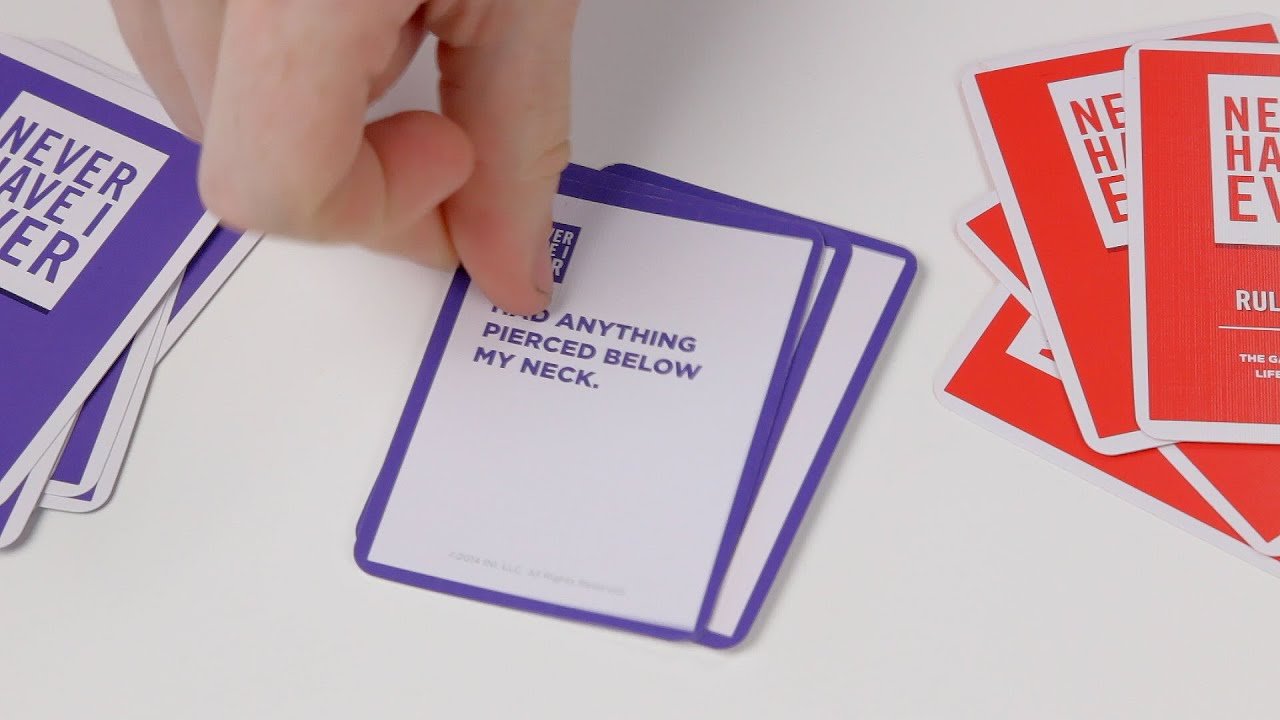
‘To play Never Have I Ever card game, players take turns reading a card with a statement. If a player has done what the card says, they must either take a penalty or share the story related to the card based on the game rule.’
Ever wondered how do you play never have i ever card game? It’s actually a really simple, fun game perfect for parties or chill gatherings. It focuses on learning surprising things about friends.
The game revolves around statements starting with “Never have I ever…”, and you’ll be surprised at the stories that surface. The cards add a new element compared to the basic version of the game.
Players respond to the statements with honesty. You can use points or sips as penalties depending on your group’s preference.

How Do You Play Never Have I Ever Card Game?
Okay, so you’ve got a deck of “Never Have I Ever” cards and you’re ready for some fun, maybe a little bit embarrassing, but definitely hilarious times! But, hold on a second, you might be wondering, exactly how do you actually play this game? Don’t worry, it’s super easy, and I’m here to walk you through every step. We’ll go from the basic rules to some fun variations that can spice things up. Get ready to learn the ins and outs of this popular party game!
The Basic Rules of Never Have I Ever
The core of “Never Have I Ever” is incredibly simple. The basic setup involves using cards that have statements starting with “Never Have I Ever…” and players admitting whether or not they’ve done the thing stated on the card. Here’s how it generally works:
- Gather your group: You need at least two people, but it’s way more fun with more. A good group size is usually 3-8 players.
- The cards: Each card has a “Never Have I Ever” statement. For example, “Never Have I Ever ridden a horse.”
- Taking turns: Players take turns reading a card aloud.
- Admitting or not: If you HAVE done what the card says, you either take a penalty or admit you have done it. If you have NEVER done the action, you remain in the game.
That’s pretty much it! Now, let’s delve into the specifics about different ways to play and what those penalties might be!
Understanding the Different Ways to Play
While the basic concept remains the same, there are a few variations on how to handle the “I HAVE” situation. Here are the most common ways:
The Finger Method
This is perhaps the most popular way to play, especially with larger groups, and it also includes keeping track of how many experiences each person has had.
- Start with five fingers up: Each player starts with all five fingers held up in front of them.
- Read the card: A player reads a card aloud.
- Lose a finger: If you HAVE done the action on the card, you put down one finger.
- Last one standing: The last person with fingers up is the “winner”. Or, perhaps “least experienced” would be a better way to describe it.
This method is easy to keep track of and adds a visual element. You can modify the starting number of fingers to make the game shorter or longer. Some people use ten, and you can use anything you want.
The Drinking Method (For Adults)
This version is obviously only appropriate for adults of legal drinking age. If you have some friends over who aren’t going to drive home, or you have some non-alcoholic drinks available, this is a great version.
- Read the card: A player reads a card aloud.
- Take a sip: If you HAVE done the action on the card, you take a sip of your drink.
- No winner: This variation is less about winning and more about laughs and confessions.
Remember to always drink responsibly and have a plan for getting home safely! You also do not need to consume alcoholic drinks to play this version. You can use soda, juice, or even water if that’s your preference.
The Point Method
This option introduces a competitive aspect. This is great for people who like to keep score or if you just want something to mark the end of the game.
- Assign points: When you begin the game, decide how many points each card is worth. Usually, it’s one point for each card.
- Read the card: A player reads a card aloud.
- Gain a point: If you HAVE done the action on the card, you receive a point.
- Keep score: Keep track of everyone’s points throughout the game.
- Most points: At the end of the game, the player with the most points “wins” or has had the most unique experiences.
This version is good if you’re playing in a bigger group, or if you want to have some way to keep track of how long you’ve played.
Choosing the Right “Never Have I Ever” Cards
The type of cards you use can greatly affect the mood of your game. There are many different card sets available. Here’s what to keep in mind:
Consider the Audience
Are you playing with close friends who know all your secrets, or with family or people you have just met? Consider the type of game that would best fit that audience.
- Friends: More personal and potentially embarrassing questions are okay with a close group of friends.
- Family: You might want to stick with more lighthearted and general questions for family game night.
- New acquaintances: Steer clear of overly personal or potentially offensive questions when playing with new acquaintances.
Card Content
There are many pre-made decks of “Never Have I Ever” cards available. Most will fall into one of a few categories. Be sure to pick up a deck that would be appropriate for your group of people.
- General/Family-Friendly: These cards focus on experiences that are fairly common and not too personal, like “Never Have I Ever been camping” or “Never Have I Ever sung karaoke.”
- Funny/Silly: These cards are designed to make people laugh. These might be along the lines of “Never Have I Ever eaten an entire cake by myself.”
- Adult/Risqué: These cards are for adults only and often involve more personal or taboo topics. Be sure you are only playing this version of the game with consenting adults.
Creating your Own Cards
If you can’t find the perfect set, or you just want to make the game more unique, you can also create your own “Never Have I Ever” cards.
- Brainstorm: Think about fun or interesting experiences you or your friends have had.
- Write it out: Write each experience as a “Never Have I Ever…” statement.
- Personalize it: Adding inside jokes or references to specific events can make the game even more fun.
Keeping the Game Fun and Engaging
To keep the game entertaining, consider these tips:
Mix it Up
- Different Card Types: Don’t just stick to one deck of cards. Use different kinds for a more varied experience.
- Change the Rules: Feel free to switch up the way you’re playing. For example, you could try combining the finger method with the point method.
Encourage Sharing (If Appropriate)
While the game is about admitting or not, it can be fun to let people share brief stories after answering. This can lead to some hilarious anecdotes and create a more engaging experience for everyone. But, keep it light, and if someone doesn’t want to share, don’t push them.
Be Respectful
Remember, the goal is to have fun, not to make anyone uncomfortable. If a card comes up that feels too personal for someone, you can skip it. There should be no pressure to reveal personal information.
Strategies for “Never Have I Ever”
While it might seem like this is just a game of chance, there are some things you can keep in mind to “win”. Here are some strategic tips.
Think About the Questions
When you draw a card, don’t just read it blindly. Try to guess how many people in your group have done it. The more you understand your group, the better you will do in the game.
Play It Cool
Don’t overthink it. Sometimes acting nonchalant when answering can throw people off. Remember, it is just a game.
Common Mistakes to Avoid
To ensure everyone enjoys the game, be mindful of these mistakes:
Being Too Harsh
Avoid asking questions that are overly sensitive or potentially hurtful to your group. Be sensitive to the emotions of other people.
Pushing for Details
If someone answers a question, do not push them to reveal more than they are comfortable sharing.
Taking it Too Seriously
Remember, it’s a game, so don’t get too competitive, and certainly don’t get angry. The goal is to have fun and laugh together.
Benefits of Playing “Never Have I Ever”
Besides being a fun party game, “Never Have I Ever” can bring people closer and help build connections. Here are some hidden benefits:
- Learn new things: You might be surprised by the experiences your friends have had.
- Break the ice: It is a great game to play with a new group of people, helping you get to know each other better.
- Laugh together: The game can lead to hilarious moments and shared laughter.
“Never Have I Ever” is more than just a card game; it is a great way to create fun memories with friends and family. With a few simple rules and a dash of creativity, you can enjoy this game for hours.
Never Have I Ever
Final Thoughts
To play, each player takes turns reading a card. If they have done the action mentioned on the card, they must indicate so. This usually involves losing a point or taking a sip.
The game continues with players reading more cards and following those actions. This is how you play never have i ever card game. Ultimately, the must goal is to reveal funny stories or interesting facts about each other.

