
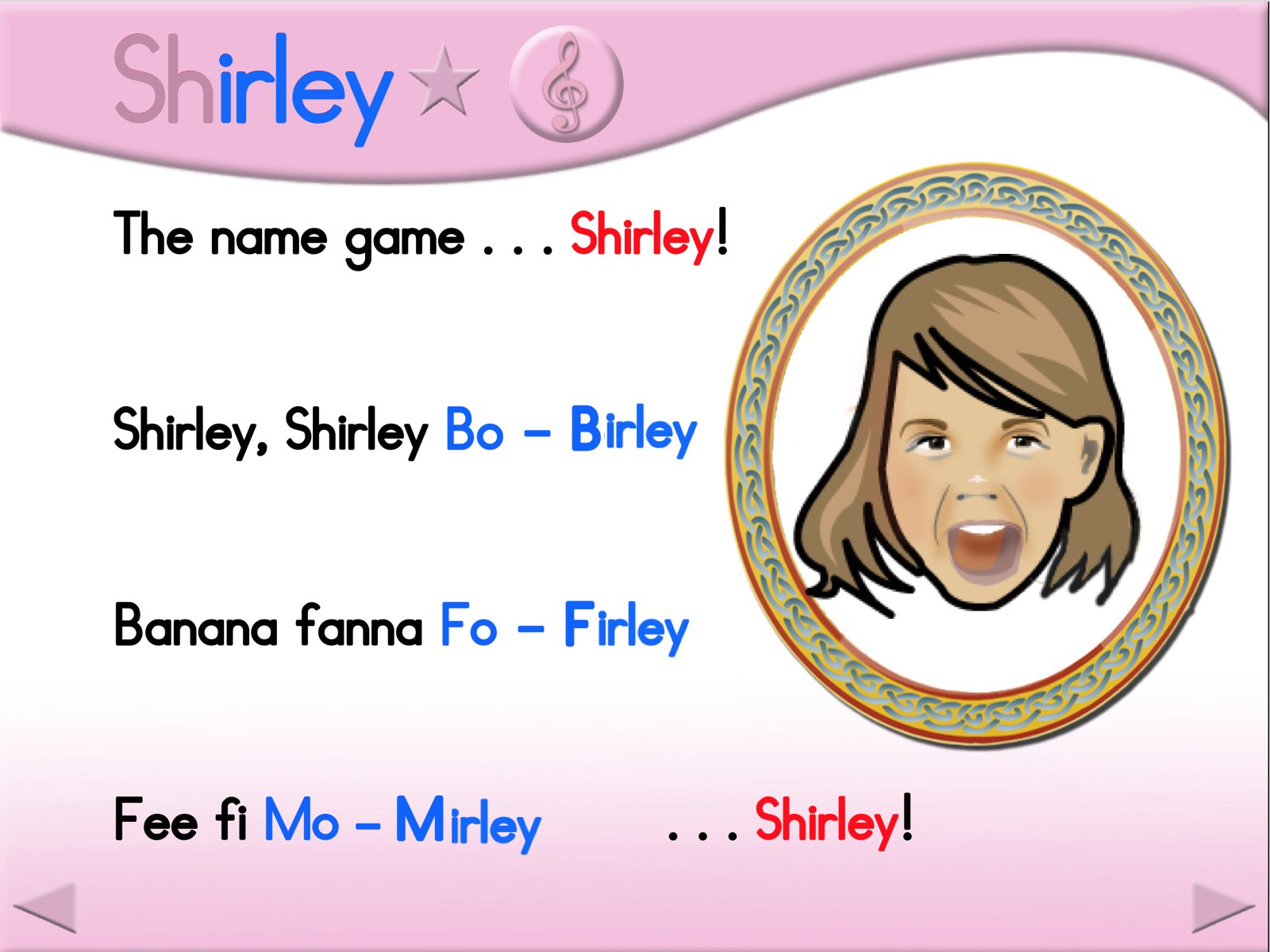
The name game involves starting with a person’s name and then using the last letter of that name to begin a new name, continuing the chain.
Ever wondered how do you play the name game? It’s a simple yet engaging pastime that can bring laughter and fun. The core mechanic is sequential naming. Each person says a name based on the last letter of the previous name.
For example, if the first person says “John,” the next must say a name beginning with “N,” such as “Nancy.” This continues making a fun chain of names. It’s easy to learn and enjoyable for all ages.

How Do You Play the Name Game?
The name game, that fun and often silly activity, has been a staple at parties, classrooms, and even long car rides for generations. But what exactly is the name game, and how do you play it? It’s more than just saying names; it involves a little bit of wordplay and a lot of quick thinking. Let’s explore all the ways you can play the name game and make it a blast for everyone involved.
Understanding the Core Concept
At its heart, the name game is a verbal chain game. The basic idea is to say a word, usually a name, and then the next person has to say a word that begins with the last letter of the previous word. It sounds easy enough, but the challenge increases as you go! The core concept is simple: linking words together by their beginning and ending letters. Think of it like a word train.
The Basic Rules
The fundamental rules are quite straightforward. Here’s a quick rundown:
- Someone starts by saying a word. It could be a person’s name, a place, an object – whatever you choose, as long as it is a real word.
- The next person must say a word that begins with the last letter of the previous word.
- The game continues in this fashion, with each new word linking to the previous one.
- If a person cannot think of a word within a set time limit (usually a few seconds), they are out or can receive a small penalty.
This creates an engaging and quick-paced activity, as players are always trying to stay one step ahead. But that’s not all there is to the name game! Let’s explore different versions.
Variations of the Name Game
The beauty of the name game lies in its flexibility. You can play it in countless ways by adding different twists and themes. Here are some popular variations you can try:
Name Game with Categories
This adds another layer of fun and challenge. Before you begin, choose a category. For instance, it could be “animals,” “cities,” “foods,” or “famous people.” Every word used in the game has to fit in this category. This means if you are playing with the “animals” category, and someone says “dog” the next person could say “goat”, and after that someone could say “tiger” and then someone says “rabbit”. So, this can be very fun and engaging for all the people who are playing.
Name Game with a Time Limit
This version increases the pressure! Set a time limit for each turn, such as 5 or 10 seconds. If a person can’t come up with a word in that time frame, they are out. This speeds up the game and makes it even more exciting. For instance, you might have to react quickly to the word “apple” to give a word starting with “e” before the time is up. It can be quite funny to see people try to think quickly.
Themed Name Game
Similar to categories, themed games allow players to focus on specific subjects. For example, you could have a “holiday” theme, where all the words relate to various holidays or holiday traditions, or a “movie” theme where words all relate to movies. This makes the game feel more relevant to current events or interests. It can create a great connection and fun for everyone who is playing.
Adding a Memory Component
This version boosts cognitive function. When someone adds a word, you have to repeat all of the previous words from the current round before adding your own. This tests everyone’s memory and really stretches their cognitive ability. Try it sometime, and you will see what I mean. It adds an extra layer of challenge.
The Alphabet Challenge
Start with the letter “A”, and the game continues by saying a name (or word) that starts with the next letter of the alphabet. After “A” comes “B” and after that “C” and so on. If no one can think of a name with that alphabet, they are out. Or, you could choose a penalty. This is a great way to learn and review the alphabet, especially for younger players.
The Action Name Game
Add a physical component to the game! When a name is said, you need to perform a related action, like pretending to swim if the name is “fish,” or doing a small dance if you say “music”. This is perfect for adding movement and making everyone laugh! This is also a great way to get kids active and add a bit more energy into it!
Tips for Playing the Name Game Successfully
While the name game is simple in theory, here are some tips to play it successfully:
Think Ahead
Try to anticipate what letter you might end up with and have words ready. This will prevent you from getting stuck or losing. Before you play, look at the alphabet in your mind, and quickly come up with words that start with each letter. This can greatly help you to think on your feet.
Be Creative
Don’t stick to the most common words. Use unusual names and less common terms to keep the game interesting. This makes it more engaging for everyone, and it pushes everyone to think a little bit more.
Listen Carefully
Pay close attention to the last letter of the word being said, and that will give you a clue as to what word you need to come up with next. Make sure that you hear that last letter correctly.
Don’t Be Afraid to Ask for Help
If you are playing with friends, and you are stuck, it can be fun to ask for some help or clues. This can help to keep the game going and add more fun into it. Sometimes, being in a friendly and collaborative setting can help everyone.
Practice Makes Perfect
The more you play the name game, the better you’ll become at quickly thinking of words. So, make sure to play it often. You will see that you are thinking faster with time.
Have Fun!
The name game is meant to be a fun and lighthearted activity. Don’t take it too seriously and simply enjoy the process. Try new variations and have fun laughing with the people that you are playing with!
The Benefits of Playing the Name Game
Beyond just being a fun way to pass the time, the name game offers multiple educational and developmental benefits:
Enhances Vocabulary
It encourages players to think about and use a broader range of words. By trying to find less common words, you are greatly expanding your vocabulary, and learning new words in the process. This is a great way to keep your brain working at high capacity.
Boosts Cognitive Function
The game stimulates fast thinking and quick recall, enhancing memory and mental flexibility. This greatly increases your brain’s processing speed.
Improves Listening Skills
Players have to listen carefully to the word that was said before in order to proceed. This helps to improve your listening skills and focus.
Encourages Social Interaction
The game is interactive and can bring people closer together, especially when played in a group. When you are playing in a group, you are bonding with your friends and family, and it is a great way to pass the time.
Develops Creativity
The need to think on your feet and come up with creative answers is always fun and stimulating. This helps you to develop your creativity in a fun and relaxed setting.
Who Can Play the Name Game?
The name game is suitable for everyone, regardless of age! It can be played by:
- Kids in classrooms.
- Adults at social gatherings.
- Families on road trips.
- Anyone looking for a fun and educational pastime.
The simplicity and flexibility of the game make it appealing to a wide variety of people, and because there are different varieties, it is easy for everyone to find a variety they like.
Making the Name Game More Challenging
If the standard versions feel too easy, there are ways to dial up the difficulty:
Using Specific Categories
The more specific the category, the harder the game becomes. Try things like “famous scientists”, “types of trees”, or “musical instruments”. The more difficult the category, the harder it will be to come up with a word that fits within the theme, and that starts with the right letter.
Requiring Multiple Words
Instead of just one word, require players to say a short phrase. For example, “blue sky” and the next player needs to come up with a phrase that starts with “y”. This adds an extra layer of complexity, as players need to think of both words, instead of just one.
Playing Backward
Instead of starting with the last letter of the previous word, players must use the first letter of the previous word. This totally changes the flow of the game and can be very challenging.
Combining Variations
Try combining different variations, such as timed games with categories. Or, you could try combining themed games with memory requirements. This creates complex and exciting rounds.
Keeping the Name Game Engaging
It’s important to keep the game interesting to avoid players getting bored. Here are a few tips:
Change the categories often. This keeps the game fresh. When a game gets too familiar, it starts to feel less challenging, so change the categories often, to make sure that you don’t get bored, and the game stays interesting.
Introduce new rules or variations every now and then. Try to keep things moving, and do not get stuck in the same pattern. This keeps things moving and makes the game feel more exciting.
Use a timer to create a sense of urgency. This can make the game much more fun for everyone involved, and make it more stimulating.
Let players make up their own variations. Allowing players to be creative, will add a sense of ownership, and make them engage in the game more.
Have small prizes or penalties to make it more competitive. This creates a little sense of fun competitiveness that will allow players to play harder and have more fun.
The name game is a very adaptable game, which makes it easy to customize to your preference.
The name game, in all its variations, is more than just a simple pastime. It’s a very creative way to boost your vocabulary, increase cognitive function, and make social interactions more fun. Whether you’re playing in the classroom, at a party, or on a long drive, it’s a great way to keep your mind engaged while having fun at the same time. So next time, gather your friends and family, pick your favorite variation, and get ready to play! You’ll be surprised at how much fun a simple word game can bring. The name game truly is a classic activity that has stood the test of time, and it’s always worth giving a try.
The Name Game 😂
Final Thoughts
The name game involves everyone stating their name, often with an added action or adjective. You repeat names in a pattern, building memory skills. It gets progressively more difficult as you add more participants.
The core game dynamic is about recall and interaction. Focus on remembering names correctly and maintaining the sequence. It makes for a fun, engaging icebreaker for any group.
So, how do you play the name game? You simply state a name, then the next person repeats prior names adding their own. This game promotes active listening and memorization skills.

