
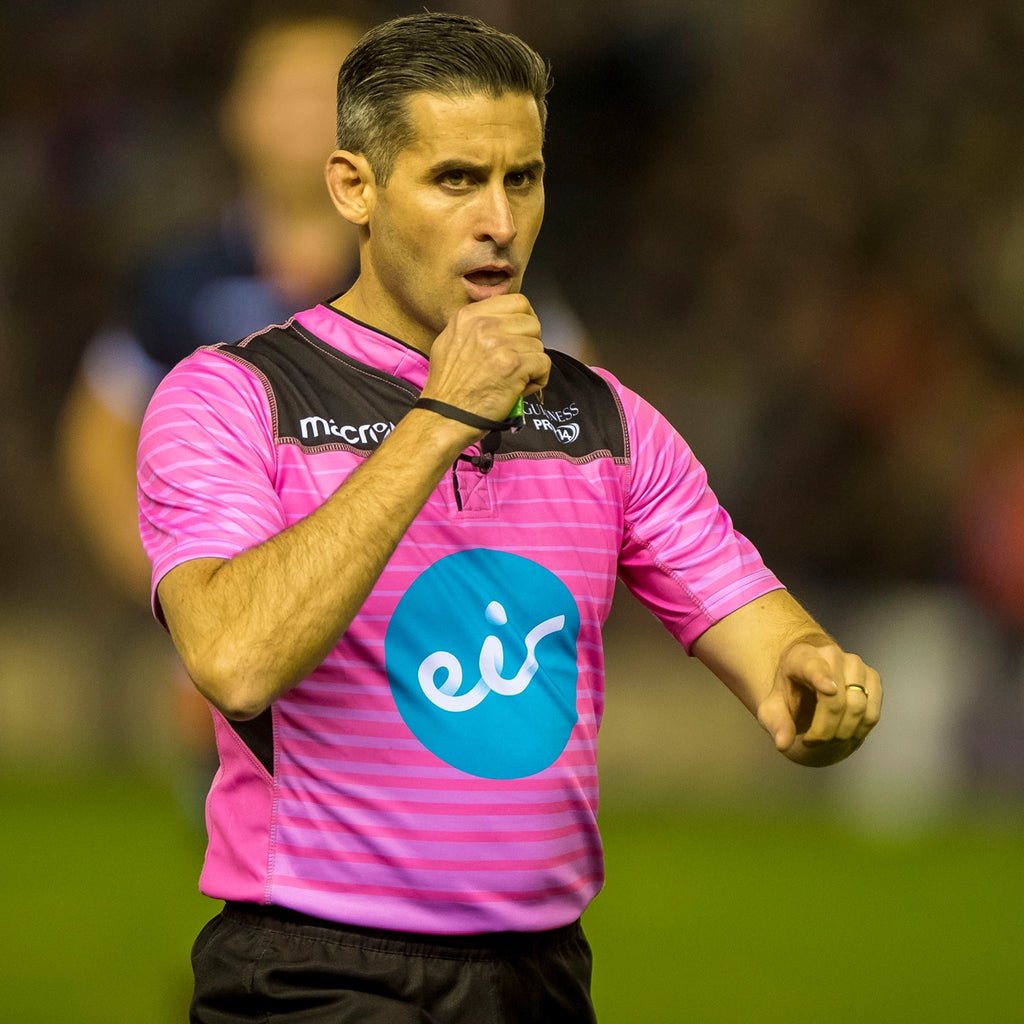
A rugby game ends when the referee blows the final whistle after two 40-minute halves, plus any added stoppage time, have been played.
Ever watched a rugby match and wondered, how does a rugby game end? The answer might seem simple, but understanding the nuances makes all the difference. It’s not just about the clock running out; certain factors contribute to the conclusion of the game.
The game progresses with two distinct halves, and at the end of the second half, the referee makes the final call. The exact moment comes when the referee signals the end, confirming the conclusion of the contest.

How Does a Rugby Game End?
Ever watched a rugby game and wondered, “How does this thing actually finish?” It’s a good question! Unlike some sports with clear-cut time endings, rugby has a few specific ways a match can conclude. Let’s explore the different scenarios and understand what makes a rugby game end.
The Full-Time Whistle: The Most Common Ending
The most typical way a rugby game ends is with the referee’s full-time whistle. This happens at the end of the two 40-minute halves, with a short break in between for half-time. It’s very similar to how a football (soccer) game ends in that respect. Here’s a breakdown of how the game clock works:
- Two Halves: A rugby match has two halves, each lasting 40 minutes.
- Half-Time Break: There is a break in between the two halves. This break is called half-time and typically lasts about 10 to 15 minutes. Players use this time to rest, discuss strategy, and hydrate.
- The Referee’s Watch: The referee keeps track of time on their watch, not a big game clock like in other sports.
- Added Time: If play stops for injuries or other reasons during a half, the referee can add time to the clock, often called “stoppage time” or “added time.”
Once the referee’s time has ended, they will blow their whistle loud and clear to signal the end of the half, or the end of the game. At the end of the second half, when the whistle blows for full-time, the team with the most points wins. It’s pretty straightforward when it comes to the basic concept of time!
The Ball Is Out of Play
Another key aspect of understanding when the game ends involves the concept of “ball in play” and “ball out of play.” The referee cannot blow the whistle and end a half while the ball is still in play. Here’s a breakdown:
When is the ball out of play?
The ball goes out of play in a few ways that can bring the game to a halt. This is not to be confused with a penalty or free kick situation; it’s different. The ball is out of play when:
- The ball is kicked into touch: This means that the ball has gone out of the playing area and into the area surrounding the field.
- A player with the ball crosses the touchline: If a player is carrying the ball, and their foot or any part of their body goes over the touchline (the side boundary line), then the ball is declared out of play.
- The ball hits an object outside of the playing area: If the ball accidentally hits something outside the field of play, for example a spectator or a piece of equipment, this will stop play.
- The ball goes dead: This usually means that the ball has touched the ground in the in-goal area and is no longer in live play.
It’s important to note that, generally, when a ball goes into touch, it means the opposition gets to throw the ball back in, via a lineout.
What Happens When the Whistle Goes?
So the referee blows the whistle, now what happens? There are a few different scenarios:
Full-Time
When the referee blows the whistle at the end of the second half (full-time), the game is over. The team with the most points wins. Players usually shake hands, and the game is officially concluded. No further play is allowed after the full-time whistle, even if the ball is in the air.
End of First Half (Half-Time)
When the whistle blows at the end of the first 40 minutes, this signals half-time. Teams will go to their respective changing rooms to rest and discuss their gameplay. They will then return to the field for the second half of the game.
End of Play within a Half
The game may come to a stop for various reasons in a half, such as a knock-on or a penalty. In these instances, the referee will blow their whistle to stop the game, usually so that play can restart at the point the penalty or stoppage occurred.
It is important to be aware, however, that only the referee can make the decision to stop the game at any given moment in time. Players and coaches cannot stop play themselves.
What Happens If There Is a Tie?
Sometimes a rugby game ends in a draw (tie). What happens next depends on the type of match being played. Here are some common possibilities:
- Regular Season Match: In many regular season games, a tie is simply a tie, and both teams receive one point in the league standings (or whatever system they use) for the draw.
- Knockout Tournament Match: For knockout matches (like in a tournament), a draw isn’t acceptable. There needs to be a winner. In these cases, the tie is usually broken by one of these ways:
- Extra Time: Extra time consists of two halves of additional playing time, sometimes ten minutes each half. This is like sudden death, where the first team to score points becomes the winner.
- Golden Point: In some tournaments, a golden point rule may be in place during extra time. This means the first team to score wins the game, regardless of the type of score. This may also come into effect if the scores are level in a sudden death scenario.
- Kicking Competition: If the score is still tied after extra time, a kicking competition (similar to penalty shootouts in soccer) may decide the winner. This can be different in different competitions, but usually consists of kickers taking a set number of kicks from different positions in front of the goalposts.
Sudden Death
Sudden death is a common feature in extra time in rugby matches. Sudden death means that the first team to score any type of points wins the game. This provides a quicker conclusion to the game, rather than forcing teams to play the full extra time period. In this scenario, a try, a penalty, or a drop goal will all end the game immediately.
When playing a sudden death scenario, the pressure is immediately upon the players, and every single moment counts.
Understanding the Flow of the Game
While the end of a rugby match might seem simple—when the final whistle blows—understanding how a game flows and why the referee stops play (or not) is important to understanding how a game ends. The game stops for various reasons, such as penalties or lineouts, before restarting. The way in which the game flows during the two halves, and the various plays in those halves, is very important to understanding the game.
Key Aspects of Game Flow
- Continuous Play: Rugby is known for its continuous flow. Play typically stops only when the ball goes out of bounds, a foul is committed, or a try is scored.
- Referee’s Discretion: The referee is always in charge of stopping and starting play. It is crucial to observe what the referee is doing during the match, to understand what is happening.
- Game Clock Stoppages: The clock stops when there’s a stoppage in play, such as a player injury. The referee will add the stopped time back onto the total of each half.
- Ball in Play: If the ball is in play, the referee generally will not blow their whistle unless the ball goes out of play, or a rule is broken.
How to Tell When the Game is Actually Over
Here are a few quick tips to help you understand when the game is over:
- Watch the referee: The referee is the key person in a rugby match, and you need to watch them to understand the flow of the game.
- Listen for the whistle: Listen for the loud, clear blast of the referee’s whistle, particularly at the end of the second half.
- Watch the players: Players will typically stop play immediately after the whistle is blown to signal the end of the half, or the end of the match.
- Check the scoreboard: The scoreboard will often clearly indicate how long is remaining in the half and in the match.
Different Levels of Rugby
It’s also worth noting that different levels of rugby may have slightly different rules about how a match ends, although, generally, the rules are the same. For example, a local club-level game might have different rules for breaking a tie than a high-stakes international test match.
Examples of differences
- Youth Rugby: Games may be shorter and have variations to keep the game suitable for the age group.
- Sevens Rugby: The game is played over two halves of seven minutes each, instead of two halves of 40 minutes each.
- International Test Matches: These matches are played under the full international rules, with extra time, golden points, or kicking competitions in the event of a tie.
Understanding the various rules and regulations for different types and levels of rugby is crucial to understanding the game. While the basic concept of full time or when the ball goes out of play remains consistent, these smaller changes can be impactful.
So, to recap, a rugby game primarily ends when the referee’s whistle goes at the end of the two 40-minute halves, or at the end of any period of extra time that may be played. It’s a game of continuous action, and the whistle brings it all to a close! Understanding these simple ideas is a big step forward to understanding how the game of rugby is played and how it ends. By paying attention to the referee, the whistle and the clock, you can follow along with any game you see.
How to Play Rugby
Final Thoughts
A rugby game ends when the referee blows the final whistle after two 40-minute halves. Extra time may occur in knockout matches. Points determine the winner, with the team scoring more points declared victorious.
The game can also end prematurely if a team is unable to field 15 players due to injuries. A team must have a minimum number of players on the field to continue. This rule is key in understanding how does a rugby game end.

