
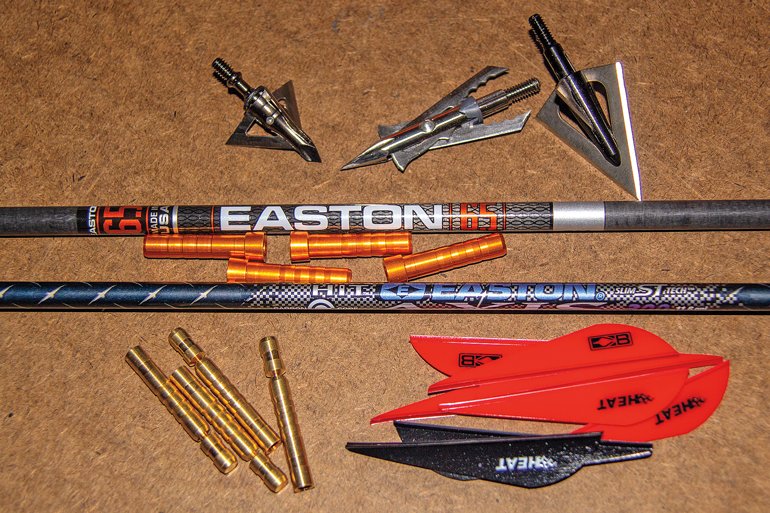
An arrow with a broadhead kills big game by creating a large wound channel, causing significant hemorrhaging and vital organ damage. This leads to rapid blood loss and ultimately, death.
Ever wondered how an arrow, seemingly so small, can bring down a large animal? The question, ‘how does an arrow with a broadhead kill big game,’ is more complex than it appears. It’s not about brute force, but rather a carefully engineered combination of sharpness, design, and impact.
The broadhead’s design ensures it cuts a wider path through tissue than a field point. This cutting action severs blood vessels, creating a massive wound. Significant blood loss and organ damage quickly lead to a swift, humane kill.

How Does an Arrow with a Broadhead Kill Big Game?
Understanding how an arrow tipped with a broadhead takes down big game is crucial for ethical and effective hunting. It’s not just about pointy things; it’s a combination of factors working together. Let’s break down the process, keeping in mind this is all about a quick, humane harvest.
The Role of the Broadhead
The broadhead is the business end of the arrow, designed to create a significant wound channel, which is critical for quickly incapacitating an animal. It’s very different from a target tip. Target tips are designed to make a hole in a target for scoring purpose while broadheads are designed to make big cuts and cause internal bleeding. Think of it like this: if you want to cut bread, you need a sharp knife, not a blunt butter knife. A broadhead is the “sharp knife” for hunting.
Types of Broadheads
Broadheads come in two primary types: fixed-blade and mechanical. Each works a little differently, but their purpose is the same – to create a large wound for quick, ethical kills.
- Fixed-Blade Broadheads: These have blades that are permanently open and ready to cut upon impact. They are known for their reliability and durability. Imagine a sturdy chisel, it’s always prepared for work.
- Mechanical Broadheads: These have blades that stay tucked in until they hit the animal, and then they open up. They are designed to create an even larger cutting diameter. Picture a spring-loaded flower blooming open when it touches something, this is similar to how a mechanical broadhead works.
Each type has its advantages and disadvantages, which affect the arrow’s flight and effectiveness. The choice often depends on the hunter’s experience, the type of game, and personal preference.
Penetration: Getting the Broadhead Where It Needs to Be
Penetration is the ability of the arrow, with its broadhead, to travel through the animal’s hide, tissue, and potentially bone, to reach vital organs. This is more than just raw power. It’s about delivering the sharp edges to the important areas inside.
Factors Affecting Penetration
- Arrow Weight: A heavier arrow has more momentum, meaning it resists slowing down, thus helping to push through. It is similar to bowling a heavy ball versus a light ball. The heavier ball tends to travel further and harder.
- Arrow Speed: Faster arrows have more energy upon impact, but not all the energy is transferred to the animal. Often a balance of weight and speed provides good results.
- Broadhead Design: Different broadhead designs affect how well the arrow moves through the animal. Slimmer broadheads penetrate more easily than very large ones, especially if they meet resistance, like bone.
- Shot Placement: The biggest factor! An arrow in a vital spot will cause more damage than one in a non-vital spot. We’ll talk more about that below.
The Importance of a Straight Arrow Flight
For good penetration, the arrow needs to fly straight. If the arrow wobbles or goes off course, it won’t hit with its full force and the broadhead may not penetrate efficiently. Think of throwing a dart; if you throw it straight, it sticks better, and if it wobbles, it loses power and effectiveness.
How the Broadhead Creates the Wound Channel
Once the broadhead penetrates, it begins to do its main job – creating a significant wound channel. This is the path of tissue damage that the arrow and broadhead make as they travel through the animal. The larger and more significant the wound channel, the more damage it causes, and that damage leads to a quicker, more ethical kill. Here’s a closer look:
Cutting Action
The sharp edges of the broadhead act like a blade, slicing through skin, muscle, and other tissues. This cutting action creates a space for the wound to bleed. It is very similar to the way a chef’s knife cuts through vegetables, if the knife is sharp, it slices and cuts without requiring much effort.
Tissue Damage
As the broadhead moves, it doesn’t just cut. It also tears and crushes tissue along its path. This disruption of cells and blood vessels leads to both external and internal bleeding. This damage also affects vital organs like the lungs and heart if they are in the path of the broadhead.
Internal Hemorrhaging
The most critical effect of the broadhead is the damage to blood vessels. When blood vessels are cut, they bleed. If the broadhead damages major arteries or veins, this causes significant blood loss, a condition known as internal hemorrhaging. The blood loss quickly reduces the animal’s blood pressure, causing it to go into shock. This shock is the main factor in a quick and humane kill.
The Impact on Vital Organs
The goal of a hunter is to place an arrow that causes damage to vital organs. These organs are essential for an animal’s life, and damaging them leads to a quick, ethical kill. Here are the main organs affected by an arrow and broadhead:
Lungs
The lungs are the primary target for most hunters. When the lungs are punctured, they can no longer inflate and deflate properly. This prevents the animal from taking in oxygen, causing it to quickly lose consciousness and die. A broadhead that passes through both lungs (a “double lung” shot) is very effective.
Heart
The heart is another vital organ. Damage to the heart disrupts its ability to pump blood, causing a rapid drop in blood pressure and oxygen to the brain and the other organs. A well-placed shot through the heart causes very rapid incapacitation and death.
Liver and Major Arteries
If an arrow passes through the liver or major arteries, it will cause massive internal bleeding. These areas have a large blood supply, and any significant damage will lead to a rapid loss of blood and shock. Though liver and artery shots can be effective, they may not be as quick as a heart or lung shot. This is because these organs are not as vital as the heart and lungs for immediate life function.
The Role of Shock
When the animal sustains a large wound from a broadhead, the body goes into shock. This is a physical response to severe trauma. Shock is more than just being scared; it is a critical condition that greatly aids in the hunt. Here is how shock works in relation to an arrow and broadhead:
Hypovolemic Shock
Hypovolemic shock is the type of shock caused by significant blood loss. When an arrow cuts major blood vessels, the rapid loss of blood leads to a severe decrease in blood volume. This means the body has less blood circulating to the organs. The animal’s blood pressure drops very low, causing organs like the brain and heart to work poorly. This leads to the loss of consciousness and eventually death.
Nervous System Shock
The body’s nervous system also reacts strongly to the sudden damage caused by the broadhead. This shock can cause a rapid drop in blood pressure and other physical responses that contribute to incapacitation. It’s like the system temporarily shutting down because of all the stress.
The Combination of Factors
The combination of blood loss and nervous system shock creates a very powerful physiological impact. It’s not just about one thing but about many factors working together. A well placed broadhead shot leads to a humane harvest due to the combination of organ damage, blood loss, and shock.
The Importance of Ethical Shot Placement
While the design and function of the broadhead are important, ethical shot placement is even more vital. Knowing where to aim on a big game animal is key for a quick and clean kill.
Aiming Points
The best shot placement for an ethical kill is usually in the chest area, aiming for the heart and lungs. A shot in this area maximizes the chances of hitting multiple vital organs and arteries. When looking at a broadside target on an animal, picture a spot just behind the shoulder, approximately halfway up the body. That is where the lungs and heart lie.
Avoiding Non-Vital Areas
Shots in non-vital areas like the stomach, hindquarters, or legs are generally considered unethical. These hits can cause significant suffering without quickly incapacitating the animal. It is very important for a hunter to know where to aim. Hunters should not shoot at an animal unless they are confident that they can make a good shot.
Practice Makes Perfect
Just like any skill, proficiency with a bow and arrow takes practice. Consistent practice improves accuracy and confidence. It also helps the hunter understand their equipment and how it performs at different ranges. Regular practice ensures the hunter is prepared for the moment they encounter a game animal.
The Aftermath: Following Up and Recovery
Once the arrow is released, the hunt isn’t over. A hunter must make an effort to track and recover the animal, even with a seemingly good shot.
Following Blood Trails
A blood trail helps hunters track the animal after a shot. A good blood trail is a sign of a good hit. It is critical to learn how to follow the trail. A good rule of thumb is that more blood means a more vital hit.
Responsible Recovery
It is the responsibility of the hunter to find the animal they have hit. Responsible hunters make every effort to recover the animal. This ensures that an animal is not left to suffer, or go to waste. This is not only ethical but often the law.
Learning from Each Hunt
Each hunt provides opportunities to learn. Whether successful or not, every hunt is an opportunity to reflect on and learn about our own performance. This can involve studying shot placement, arrow performance, or tracking skills. Continuous learning is critical for responsible hunting.
In Summary
The process of how an arrow with a broadhead kills big game involves several key elements. It’s not just about sharp points, it involves understanding how the broadhead design, penetration, wound creation, internal damage, and shock, all work together. Ethical shot placement and a commitment to responsible hunting complete the process. It’s a complex combination of science and skill that, when properly executed, results in an ethical and effective harvest. Learning about each of these things can lead to becoming a more responsible and skilled hunter.
We Took a $200,000 Camera Bowhunting in Uganda! #shorts #slowmotion #slomo #archery #bowmar
Final Thoughts
An arrow with a broadhead kills big game by creating massive tissue damage. The sharp blades cut through vital organs and blood vessels, causing rapid blood loss. This results in a quick and ethical kill.
The broadhead’s design is crucial for its effectiveness. A properly placed shot ensures the animal expires quickly. Understanding how does an arrow with a broadhead kill big game helps hunters make responsible choices.

