
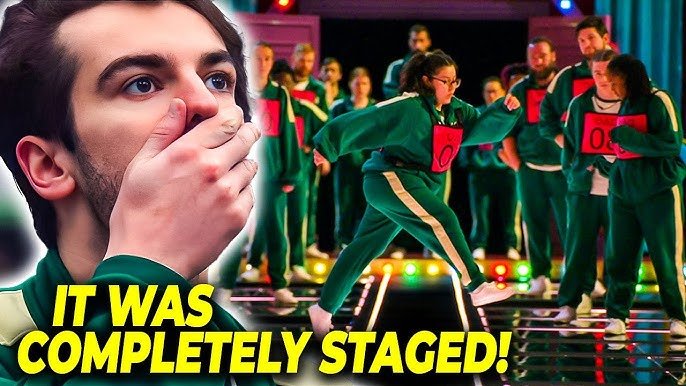
No, while dramatic, ‘Squid Game: The Challenge’ was not scripted; participants genuinely competed for the prize.
Did you find yourself wondering, was squid games the challenge scripted? The sheer intensity of the games, coupled with the high stakes, naturally fuels speculation. After all, the original series was pure fiction.
Many viewers questioned the authenticity, but rest assured, the competitive environment was very real for those taking part. The high prize money added to the tension.

Was Squid Games: The Challenge Scripted?
The question of whether “Squid Game: The Challenge” was scripted is on everyone’s mind. We all saw the original show, where characters faced deadly games. This new version is a reality competition with real people, and that makes us wonder – did the producers give them lines to say or actions to take?
The Allure of Reality TV and Scripted Drama
Reality television is a funny thing. It’s supposed to be “real,” but sometimes it feels more like a drama written by Hollywood writers. We’ve seen it before; some shows have participants follow storylines that the producers set up. This can lead to a lot of exciting TV, but it also makes us wonder just how much of what we’re watching is genuine. When we look at a show like “Squid Game: The Challenge,” where a lot of money is on the line, the question of scripting becomes even more important.
The Definition of “Scripted”
When we say “scripted,” we are not always talking about actors reciting lines verbatim. It often means the producers may guide participants, suggesting how they should act, what conflicts they should have, or how to behave in certain situations. They might nudge people to create drama. This doesn’t necessarily mean a whole script for every single moment, but it does mean the producers are actively involved in shaping the narrative that we, the viewers, see.
Examining the Evidence: What Points to Scripting?
Let’s consider the clues that make us question if “Squid Game: The Challenge” is as real as it appears.
- The Dramatic Moments: Many reality shows thrive on conflict and tension. We often see participants arguing, plotting, or breaking down emotionally. These moments are great for TV, but they can also be manufactured. Producers know how to push people’s buttons to create these events. This could mean they encourage certain conversations or encourage players to behave a particular way, to create a desired scene.
- Character Development: Just like in a fictional show, reality TV often features certain types of “characters” – the hero, the villain, the funny one, etc. It’s possible producers shape the way we see the contestants by deciding which bits of their personalities to show, and which to hide. This type of editing can make a person look like something they may not actually be in real life.
- Strategic Editing: How the show is edited makes a huge difference. Editors can take bits and pieces of what a person said over hours and make it into something completely different. It is a common tactic in reality shows to piece together clips to make a more exciting narrative. They might string together conversations out of order to make it seem like the players are always arguing, or they may only choose to show the times when someone is displaying intense emotions.
Specific Incidents Fueling the Scripting Debate
There are particular incidents in “Squid Game: The Challenge” that caused some fans to suspect scripting. For instance:
- The ‘Unexpected’ Eliminations: Some players leave in what can seem like shocking or surprising ways. Some argue these choices were based not purely on their actions but were carefully planned by the producers to make things more interesting to watch.
- The “Hidden Agenda” Players: Some players in the game seem to go out of their way to cause trouble. They might form alliances or work against other players in ways that seem a bit too dramatic. This kind of behavior sometimes makes it feel like they’re acting for the cameras.
Examining the Evidence: What Argues Against Scripting?
Even with the potential for scripting, there is strong evidence that suggests much of “Squid Game: The Challenge” is genuinely the contestants playing through the challenges.
- The Stakes are Real: Unlike a regular drama, in “Squid Game: The Challenge”, a large sum of money is at stake. The fact that people are playing for real money definitely adds a layer of authentic emotion and pressure. The participants’ genuine need to win adds true stakes to the game.
- The Difficulty of Controlling Everyone: It’s incredibly difficult to get hundreds of people to all act the same way at all times. People have their own personalities, so it would be very hard to force them to follow a script. It is more feasible for producers to simply guide the overall story without controlling each individual contestant’s actions.
- The Unpredictability of the Games: While some elements of the challenges are known beforehand, the way the players handle them is often unpredictable. People react to stress and pressure differently, leading to surprising alliances, betrayals, and emotional displays. This variety would be hard to script exactly.
- The sheer number of players: The format of “The Challenge” has a large number of participants, meaning that the production team has to handle many personalities. While some editing and behind-the-scenes direction is likely happening, it would be hard to script every interaction. When there are so many people, it is harder to precisely control the story than it would be with a smaller cast.
The Importance of Informed Viewing
It’s important to be an informed viewer of any reality show, including “Squid Game: The Challenge”. We can enjoy the drama and excitement without assuming that every single moment is a representation of reality. Recognizing that some direction and editing is probably happening helps us watch these shows with more understanding. A good way to approach such shows is with a mindset of critical viewing, knowing that what we see may have been shaped by the producers.
The Role of Producers and Editing
Let’s dig deeper into the roles of the producers and the editors of the show. These people have huge impacts on what we see on our screens.
The Producers’ Influence
The producers are the storytellers behind the scenes. They create the overall arc of the show and they guide the narrative, sometimes through directing conversations between players. They also select which characters to focus on, and that focus creates a certain way we as viewers perceive the show. It’s their job to make the program entertaining and compelling, which sometimes means they use techniques that might lead us to question the authenticity.
Here are some ways that the producers may influence what we see:
- Guiding Conversations: They might ask the contestants leading questions that nudge them in a certain direction, or ask them to clarify statements to bring out specific aspects of a situation.
- Setting up Scenarios: They might orchestrate moments where specific players are put together, knowing that it will probably create a certain kind of conflict or drama.
- Highlighting Specific Personalities: By choosing which players to focus on, they can make certain people appear to be the heroes, the villains, or the underdogs.
The Editors’ Artistry
The editors are another major element. They take all of the filmed footage and cut it together to make the final product. They are the ones that shape the narrative by choosing what to include, what to leave out, and how to assemble it all. It’s an artform that creates the reality we see.
Here are some ways the editors affect our viewing experience:
- Choosing What to Show: The editors decide what makes it onto the screen and what is left on the cutting room floor. A lot happens that we don’t see.
- Creating Emotional Arcs: By putting specific scenes together in a particular way, they create emotional arcs that might not necessarily reflect the order or true emotions of the participants.
- Adding Music and Sound: The use of music and sound can greatly affect how we perceive the mood or tension of a scene. It can make a seemingly normal scene feel very tense or dramatic.
- Rearranging Sequences: Editors often piece together snippets from different times to create a narrative that might not be entirely sequential.
The Blurred Lines Between Reality and Entertainment
The line between what is “real” and what is “scripted” can get a little blurry in reality television. Shows like “Squid Game: The Challenge” need to make their show compelling for the audience. To achieve this, they use some tools that make us wonder what we’re actually watching. It is crucial for the viewing public to be aware of these influences and enjoy it for what it is: a TV program that blends real people with created drama. We can appreciate the game and the struggles without assuming every single moment is completely genuine.
How to Enjoy Reality TV Wisely
Here are some ideas on how to best watch reality shows:
- Be Critical: Always keep in mind that the producers and editors are creating a specific story. Don’t take everything you see at face value.
- Look for the Storytelling: Pay attention to how the editors are piecing scenes together. Observe if they are using music and sound to influence your emotions.
- Remember that it is Entertainment: Don’t get too caught up in the “reality” of it. Remember that the primary goal is to entertain you, and as viewers, we should be having fun!
- Read Between the Lines: Try to notice if the people are saying things that seem a bit out of character. Maybe they’ve been prompted to say those lines to create more interesting TV.
Why Does it Matter?
The question about scripting in reality TV isn’t just about whether it is “real”. It is also about how we as viewers interact with the media we consume. Understanding that producers and editors shape the story helps us become more mindful consumers of television. It allows us to enjoy the program for what it is, which is entertainment, but also allows us to be aware of the underlying techniques being employed.
Impact on Viewers
The way reality shows are created can have an impact on the viewers. If we think everything is 100% real, we might start to believe in some of the dramatic behavior we see. When we watch and understand that some things might have been planned or pushed by producers, we can be more discerning and not be too influenced by the drama that is created.
The Future of Reality TV
As reality television evolves, the way it’s made will likely change, too. Viewers will become even more aware of how things are made, which will force producers and editors to be more creative to keep audiences engaged. Whether or not future programs will be less scripted is something we will have to watch for. The important takeaway is that we, as viewers, can have a more informed experience when we are aware of the possibilities.
In conclusion, while it’s very hard to say definitively whether “Squid Game: The Challenge” is 100% scripted, there’s enough evidence to suggest that producers and editors have a significant role in shaping the narrative. The show probably falls somewhere between pure reality and carefully crafted entertainment. As viewers, enjoying the drama, competition, and overall story while being aware of these influences allows for a more fulfilling viewing experience. Ultimately, being a mindful consumer of television is essential to understanding how media is made, and to enjoying the shows for what they are intended to be.
The Untold Truth About The 'Squid Game: The Challenge' Cast!
Final Thoughts
Ultimately, the debate around whether Squid Games: The Challenge was scripted persists. While the show presented genuine emotion and competition, editing surely played a role. Some argue participant reactions seemed too perfect.
The production team undoubtedly guided events to create compelling television. This creates a gray area where the level of scripting is hard to confirm. The main question remains: was Squid Games the challenge scripted?

