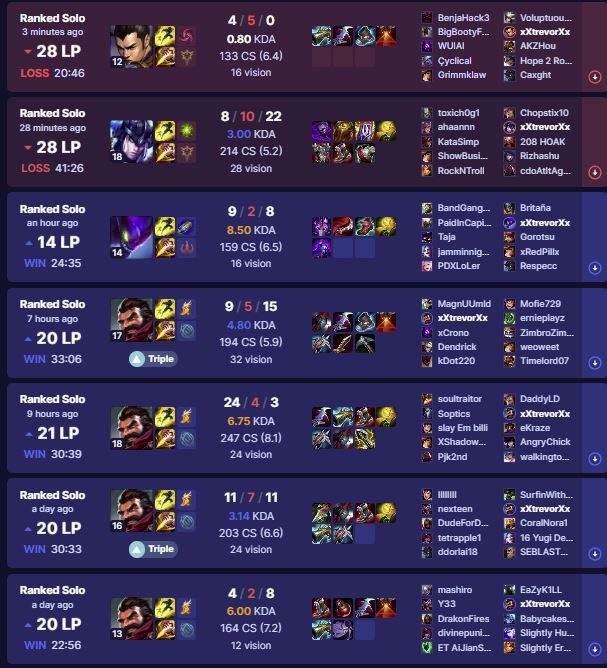
The TFT ranked system uses a ladder based on LP (League Points). You gain LP for placing high in matches and lose LP for placing low. Your MMR (Matchmaking Rating) determines how much LP you gain or lose, and influences the skill level of your opponents. The better your MMR is compared to your rank, the more LP you’ll gain.
So, you’re diving deep into the world of Teamfight Tactics and want to understand the ins and outs of climbing the ranked ladder? It can feel like a puzzle sometimes, trying to figure out exactly how does riot games tft ranked system and lp gains work.
Essentially, your performance in each game impacts your LP, which dictates your rank. Your LP gains are determined by a hidden rating called MMR.
MMR ensures fair matchmaking. Understanding this system will give you a competitive edge!

How Does Riot Games TFT Ranked System and LP Gains Work?
The Teamfight Tactics (TFT) ranked system can seem complex, but it’s built on a foundation of LP (League Points) and tiers. Understanding how you earn LP and how your rank progresses is key to climbing the ladder. Let’s break down the specifics of how it all functions.
Understanding TFT Ranks and Tiers
TFT’s ranked system is similar to League of Legends’ ranked system. You’ll find familiar tiers like Iron, Bronze, Silver, Gold, Platinum, Diamond, Master, Grandmaster, and Challenger.
Each tier, except for Master, Grandmaster, and Challenger, is further divided into four divisions: IV, III, II, and I. Climbing through the divisions requires earning enough LP.
Iron IV is the absolute lowest rank, while Challenger is reserved for the very best players on a server.
How LP Gains and Losses Work in TFT
LP is the lifeblood of your ranked climb. You gain LP for placing high in your TFT games, and you lose LP for placing low.
The amount of LP you gain or lose depends on a few factors, including your MMR (Matchmaking Rating) and the rank of the players in your lobby. MMR is a hidden value that represents your skill level.
Factors Influencing LP Gains
Your LP gains are primarily determined by your placement in a game. Placing first will award the most LP, while placing eighth will result in a significant LP loss.
Your MMR also plays a significant role. If your MMR is higher than your current rank, you’ll gain more LP per win and lose less LP per loss. This indicates that the system believes you belong at a higher rank.
Conversely, if your MMR is lower than your current rank, you’ll gain less LP and lose more. The system is trying to pull you towards a rank that accurately reflects your skill.
Finally, the average MMR of the players in your lobby can affect your LP gains slightly. If you’re playing against higher-ranked opponents, you may earn slightly more LP for a good placement.
LP Gains Per Placement
While the exact LP gain varies based on MMR, here’s a general idea of what you can expect:
- 1st Place: Typically earns the most LP, often ranging from 30-50 LP.
- 2nd Place: Gains a good amount of LP, generally around 20-40 LP.
- 3rd Place: Usually gains a smaller amount of LP, approximately 10-30 LP.
- 4th Place: May gain a small amount of LP or break even, depending on MMR.
- 5th Place: Usually results in a small LP loss.
- 6th Place: Results in a moderate LP loss.
- 7th Place: Results in a larger LP loss.
- 8th Place: Results in the largest LP loss, often around 30-50 LP.
These numbers are estimates and can fluctuate based on your MMR.
Climbing Through the Ranks
To climb from one division to the next within a tier (e.g., from Silver III to Silver II), you need to accumulate 100 LP. Once you reach 100 LP in a division, you’ll automatically advance to the next division.
When you reach 100 LP in Division I of a tier (e.g., Gold I), you’ll automatically advance to the next tier (e.g., Platinum IV). There are no promotion series in TFT.
Losing games at 0 LP in any division below Master will demote you to the next lower division. You’ll typically start with around 50-75 LP after demoting.
Losing games at 0 LP in Diamond will demote you.
Rank Decay and Inactivity
TFT does have a rank decay system, but it only affects players in Master tier and above.
If you’re inactive for a certain period, you’ll lose LP, and your rank will decrease. This system is in place to ensure that players at the highest ranks are actively maintaining their skill and position.
The specific amount of LP lost due to decay and the inactivity threshold can vary between seasons. Check the current season’s patch notes for details.
Matchmaking Rating (MMR) Explained
MMR is a hidden number that determines the skill level the system believes you are at. It’s the main factor used in matchmaking.
MMR is more important than your visible rank. Your rank is just a visual representation of your progress, but your MMR dictates who you play against and how much LP you gain or lose.
Winning games increases your MMR, while losing games decreases it. The MMR system also considers the MMR of your opponents. Beating higher-MMR players will boost your MMR more than beating lower-MMR players.
The initial MMR you start with when you first play ranked TFT is based on your performance in normal games.
Dodge Penalties and Their Impact on LP
Dodging a game in TFT ranked mode results in LP loss and a timed queue penalty. This is to discourage players from dodging games they perceive as unfavorable.
The LP penalty for dodging typically increases with each subsequent dodge within a certain time frame. Repeated dodging can also result in longer queue penalties.
Dodging primarily affects your LP; it has a less direct impact on your MMR. However, consistently dodging can indirectly affect your MMR over time if it prevents you from playing games and adjusting your MMR based on your actual performance.
Ranked Rewards
Riot Games provides ranked rewards based on your peak rank achieved during a set. These rewards can include emotes, Little Legend eggs, and other cosmetic items.
The specific rewards and the criteria for earning them vary each set. You can find details about the current set’s ranked rewards in the game client or on the official TFT website.
You usually need to reach Gold rank or higher to be eligible for the more substantial ranked rewards.
Double Up Ranked System
TFT’s Double Up mode has its own separate ranked system. In Double Up, you queue with a partner, and you climb the ranks together.
The Double Up ranked system has similar tiers to the standard TFT ranked system, but with slightly different names and requirements.
LP gains and losses in Double Up are influenced by your team’s performance and the rank of the opposing teams.
Communication and synergy with your partner are crucial for success in Double Up ranked.
Hyper Roll Ranked System
Hyper Roll is a faster-paced version of TFT with its own dedicated ranked ladder.
The Hyper Roll ranked system uses a different tier system compared to standard TFT. The tiers are Grey, Green, Blue, Purple, and Hyper Tier.
The gameplay is faster and more streamlined in Hyper Roll, and the ranked system reflects this with quicker progression.
Placement Games
When you start a new season of TFT ranked, you’ll need to play a set of placement games. These games determine your initial rank for the season.
Your performance in placement games heavily influences your starting rank. Winning all your placement games will place you significantly higher than losing them.
The highest rank you can be placed after placement games is usually around Platinum.
Your previous season’s rank also influences your starting MMR and, consequently, your placement. A higher rank in the previous season will result in a higher starting MMR and a better placement.
Tips for Climbing the TFT Ranked Ladder
Consistent play and learning from your mistakes are essential for climbing the TFT ranked ladder.
Focus on improving your fundamental skills, such as economy management, positioning, and scouting opponents.
Adapt to the current meta and learn which compositions are strong. However, avoid blindly copying popular compositions; understand why they are strong and how to play them effectively.
Be flexible and willing to pivot your strategy based on the items and champions you roll.
Watch high-level streamers and pro players to learn advanced techniques and strategies.
Review your own gameplay and identify areas where you can improve.
Tilt management is important. Losing streaks happen, and it’s crucial to stay calm and avoid making rash decisions. Take a break if you’re feeling frustrated.
Consider using third-party tools and websites to track your stats, analyze your gameplay, and stay up-to-date on the meta.
Don’t be afraid to experiment and try new things, but always do so with a purpose.
Remember that climbing the ranked ladder takes time and effort. Be patient, persistent, and focus on continuous improvement.
Addressing Common Misconceptions
There are several common misconceptions about the TFT ranked system and LP gains.
One misconception is that your win rate is the only factor that matters. While a high win rate is certainly helpful, MMR is a more significant determinant of your LP gains.
Another misconception is that the ranked system is “rigged” to keep players at a certain rank. While some players may experience periods of bad luck or stagnation, the ranked system is generally designed to accurately reflect your skill level over time.
Finally, some players believe that playing specific compositions or using certain strategies guarantees LP gains. While certain strategies may be more effective than others in the current meta, there is no guaranteed path to victory. Success in TFT requires adaptability, decision-making, and a deep understanding of the game.
How LP gains and placements work – COMPLETE GUIDE TO MMR
Final Thoughts
Ultimately, the TFT ranked system depends on your finishing position in each game. Higher placements award more LP, propelling you upwards through the tiers. Lower placements deduct LP, potentially leading to demotion.
Your MMR (Matchmaking Rating) plays a significant role in how much LP you gain or lose. Good MMR ensures you’re matched against worthy opponents, increasing your LP gains.
So, how does riot games tft ranked system and lp gains work? The system balances placement and MMR to accurately reflect and adjust your skill level. The must know key is consistently performing well to climb efficiently.