
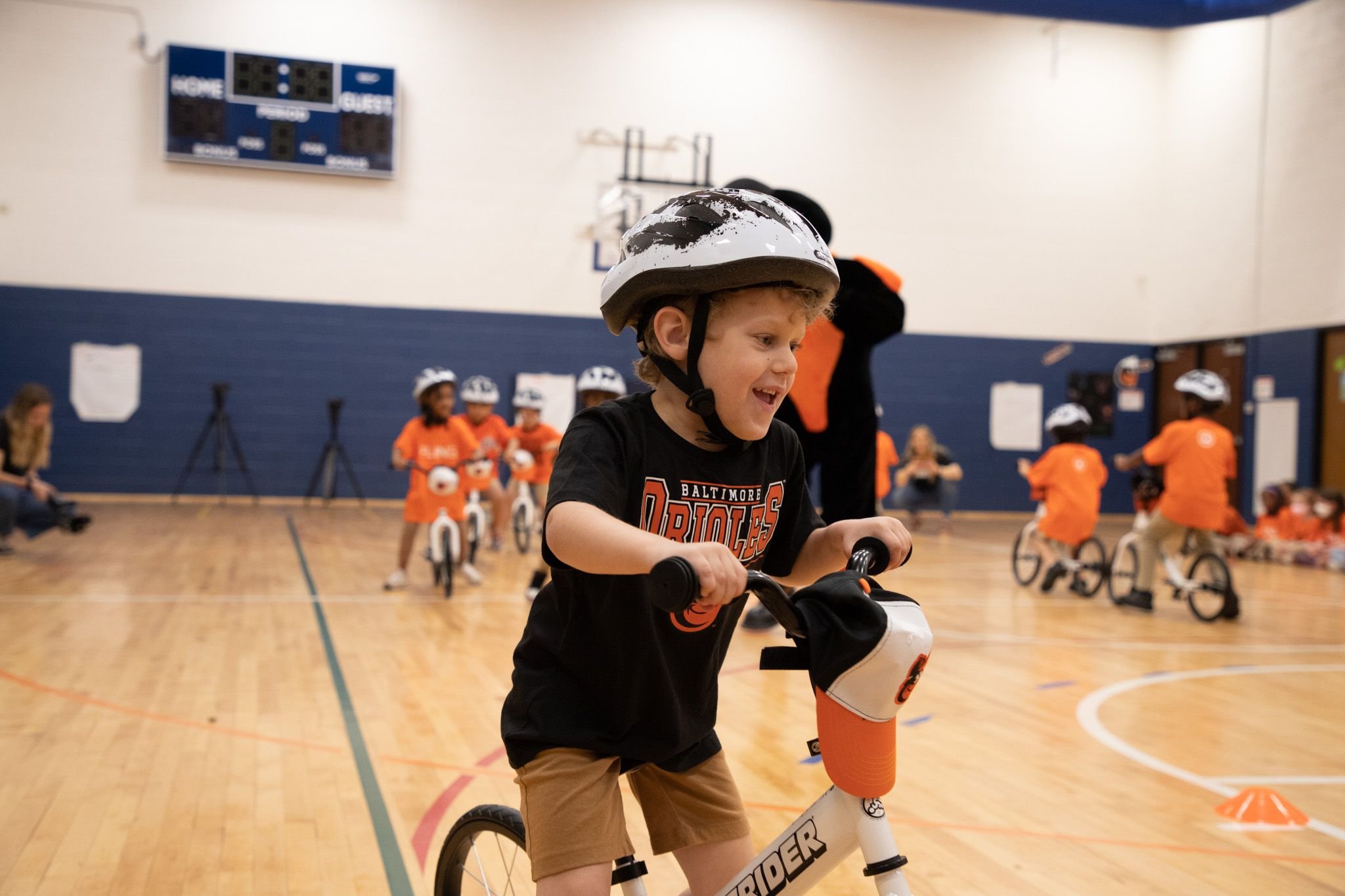
Team games involve physical education by developing skills such as coordination, speed, and strength, while also promoting teamwork and strategic thinking.
Ever wondered how playing tag as kids turned into a valuable learning experience? It’s more than just fun; it’s about physical education. How does team games involve physical education might be the question on your mind.
Team sports provide a structured way to develop motor skills and build overall fitness. These games require players to move their bodies, improving their agility and reaction times.
Moreover, team games teach important social skills like cooperation and communication. These are skills essential for both the game and also for life outside.

How Does Team Games Involve Physical Education?
Team games are a super important part of physical education, and it’s not just about running around! They teach us so much more than how to kick a ball or throw a frisbee. Let’s explore all the cool ways team games help us learn and grow, both physically and mentally. Think of your favorite team game – maybe it’s soccer, basketball, or even tag. All these games have a connection with learning valuable life lessons.
Building Physical Skills Through Teamwork
One of the most obvious ways team games relate to physical education is through the development of physical skills. These games are like a fun workout, helping us build strength, coordination, and stamina.
Movement and Coordination
Team games require all sorts of movements – running, jumping, throwing, catching, and more. These movements help improve our coordination and make us more agile. Let’s think about some specific skills:
- Running: Whether you’re chasing a ball or dodging a player, running is key to many team games. This helps develop your speed and endurance.
- Jumping: From leaping for a volleyball to jumping to avoid a tag, jumping increases your leg strength and helps you develop power.
- Throwing and Catching: Games like baseball, basketball, and frisbee rely heavily on throwing and catching skills. These skills refine your hand-eye coordination.
- Balance: Even games like ultimate frisbee where you are cutting and changing directions constantly need you to have good balance and core strength.
Developing Strength and Stamina
Playing team games isn’t just about quick movements. It also helps build our strength and stamina, which means we can play for longer without getting too tired. Consistent physical activity during games helps:
- Strengthen Muscles: The actions involved in team games, from running to lifting a basketball, help strengthen different muscle groups.
- Improve Cardiovascular Health: Running around during a game gets your heart pumping and your lungs working, which leads to a healthier heart.
- Increase Endurance: As you play more, you’ll find that you can play for longer periods without getting worn out.
Learning Important Life Skills
Team games are not just about being physically active, they also teach us valuable life skills that go beyond the playing field. These skills help us in school, at home, and with friends. Teamwork games are essentially a training ground for life.
Teamwork and Cooperation
The most obvious life skill taught through team games is, well, teamwork. You can’t win a team game alone! You have to work together with your teammates to achieve a shared goal. This involves:
- Communication: You need to talk to your teammates to plan moves, warn of opponents, and celebrate successes.
- Sharing: You need to share the ball or the task to help the team succeed.
- Compromise: Sometimes you need to give up your own ideas for the better of the team.
- Supporting Others: You learn to encourage teammates and celebrate each other’s accomplishments.
Strategic Thinking and Problem Solving
Many team games require strategic thinking and problem-solving skills. You need to think about the best way to outmaneuver your opponents and figure out how to work best together. These skills involve:
- Planning: Before starting a game, you might need to strategize to be more efficient and coordinated.
- Adaptability: You need to change your tactics when things aren’t going as planned.
- Decision Making: During the game, you need to make quick decisions about passing, shooting, and defending.
Sportsmanship and Fair Play
Team games are also a fantastic way to learn about good sportsmanship and fair play. This means playing by the rules and treating your opponents with respect. Learning fair play includes:
- Respecting Rules: You must understand and respect the rules of the game and avoid breaking them.
- Winning and Losing Gracefully: You learn how to celebrate winning humbly and how to accept losses without getting angry.
- Honesty: You learn to play fair and admit when you make mistakes or break the rules.
The Mental and Emotional Benefits of Team Games
Beyond physical skills and life skills, team games have a positive impact on our mental and emotional well-being. Playing games can make you feel happier, more confident, and more connected.
Reducing Stress and Boosting Mood
Physical activity in general has been proven to reduce stress and improve our mood. When you play team games:
- Release Endorphins: Exercise releases chemicals in your brain called endorphins that can make you feel good.
- Take Your Mind Off Worries: When you are focused on the game, you may forget any worries or stress that you have.
- Enjoyment: Playing team games is fun, which can improve your overall mood.
Building Self-Esteem and Confidence
When you master new skills, score goals, or help your team win, it can increase your self-esteem and confidence. This includes:
- Sense of Accomplishment: Succeeding at a skill during a game can make you feel a sense of achievement.
- Positive Feedback: Encouragement from teammates and coaches can build your confidence.
- Overcoming Challenges: Learning from defeats and bouncing back from them can make you more resilient and confident.
Social Interaction and Connection
Team games give you a great chance to connect with your friends and develop relationships. Social interaction in team games includes:
- Making Friends: Team games are a great place to meet new people and form friendships.
- Building Relationships: Working towards a common goal can strengthen your existing friendships.
- Feeling Connected: Being part of a team makes you feel part of something bigger than yourself.
Examples of Team Games in Physical Education
Let’s look at some popular team games and how they support physical education:
Basketball
Basketball is a very popular game that works on many skills including:
- Running and Jumping: Basketball involves a lot of running up and down the court and jumping to shoot or rebound.
- Throwing and Catching: Passing and shooting require good throwing and catching skills.
- Teamwork: You need to work as a team to move the ball and score against the opposing team.
Soccer
Soccer is a great way to build your endurance and coordination through:
- Running: Soccer is a lot about running across the field.
- Kicking and Dribbling: This improves your leg coordination and control of the ball.
- Team Strategy: You need to work with your teammates to move the ball and score goals.
Volleyball
Volleyball is great for developing upper body strength, and it teaches:
- Jumping: Jumping is required to spike or block the ball.
- Hand-Eye Coordination: Hitting, setting and digging requires good hand-eye coordination.
- Communication: You must communicate with your teammates to pass the ball correctly.
Ultimate Frisbee
Ultimate Frisbee is an excellent non-contact sport that promotes:
- Running and Cutting: This game requires you to be quick and agile on the field.
- Throwing: Frisbee throwing needs good technique and control.
- Teamwork: This game relies on cooperation and strategic passing.
Tag Games
Even simple tag games promote physical activity and:
- Running and Dodging: Tag games helps you improve your agility, quickness, and change of direction.
- Social Interaction: You interact with other players while being active.
- Quick Reactions: You have to react quickly to avoid being tagged.
Making Team Games Inclusive
It’s important that team games are inclusive and that everyone can participate and enjoy them, regardless of their ability or skill level. Here are a few ways to make team games inclusive:
Modifying Games
Sometimes, you might need to change the rules or equipment to make a game easier or more suitable for different people. For example:
- Adjust the size of the playing area: Reduce the size of the area to suit the abilities of all players.
- Use softer balls: This can make catching and throwing easier and less intimidating.
- Allow variations of rules: This allows everyone to contribute based on their strengths.
Encouraging Participation
Make sure that everyone feels welcome and encouraged to take part in team games. This means:
- Positive Feedback: Offer encouragement and support to everyone.
- Team Spirit: Ensure everyone feels a valued part of the group.
- Celebrating effort: Acknowledge everyone’s contributions to the team, not just wins.
Creating a Safe and Respectful Environment
It is super important to play games in a safe and respectful atmosphere. This means:
- Fair Play: Ensure everyone plays by the rules and treats each other with kindness.
- Respecting Differences: Celebrate differences and treat each other with respect.
- Safety First: Encourage playing with safety in mind.
Team games are an essential part of physical education because they provide a fun way to grow physically, mentally, and emotionally. They help build our physical skills like running, jumping, throwing, and catching, while also teaching us valuable life skills such as teamwork, communication, and fair play. Participating in team games improves our mood, builds self-esteem, and encourages social connections. Remember, it’s not just about winning, it’s also about learning, growing, and having fun together!
Physical Education Game of the Year
Final Thoughts
Team games actively involve physical education by developing movement skills and promoting cardiovascular fitness. They also enhance coordination, agility, and strength. Teamwork must be present to reach collective goals, thus boosting social skills.
Furthermore, strategic thinking and problem-solving abilities improve through gameplay. The inherent physical activity demonstrates how does team games involve physical education. Games provide engaging means to learn and apply physical education concepts.

