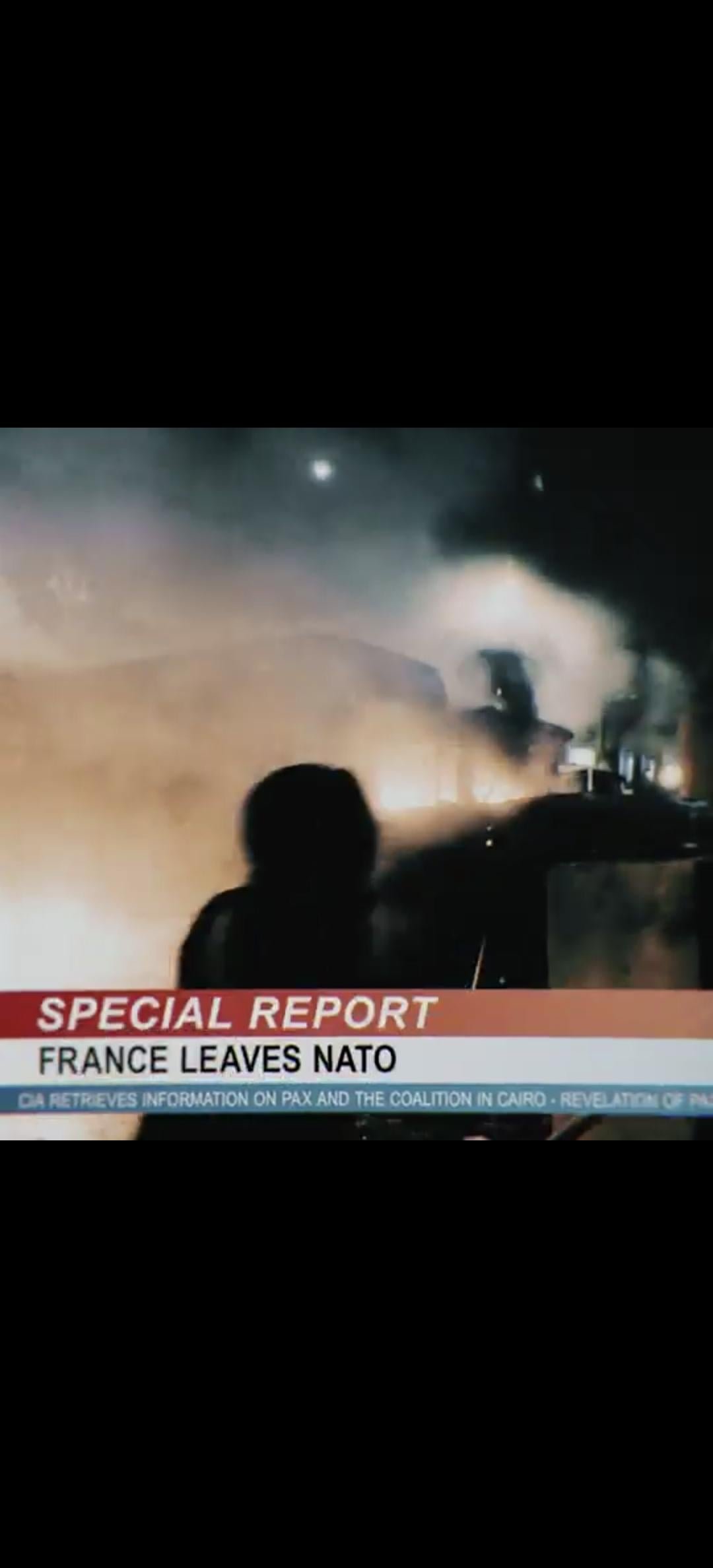
The lore of Pax Armata reflects real-world PMCs by mirroring their evolving roles in global conflicts, their controversial ethical considerations, and their increasing influence on geopolitical events through fictionalized narratives and speculative scenarios.
Ever wondered how fictional worlds reflect reality, especially when it comes to complex subjects like private military companies? It’s a fascinating comparison, and a question we’ll explore today: how does the lore of Pax Armata connect to real-world PMCs?
Pax Armata, with its intricate backstory and powerful mercenary forces, provides a lens through which we can examine the present-day realities of private military corporations. The game’s narrative often touches upon the blurred lines of morality and the impact of privatized warfare.
The increasing reliance on PMCs in both fictional and real-world settings prompts serious considerations about accountability, governance, and the future of conflict. Let’s delve deeper into the connections.

How Does the Lore of Pax Armata Connect to Real-World PMCs?
Pax Armata, a fictional universe rich with corporate warfare and advanced technology, shares some striking similarities with the world of real-world Private Military Companies (PMCs). Exploring these connections reveals interesting parallels about power, accountability, and the changing nature of conflict. Let’s delve into the depths of these shared realities.
Corporate Power and Influence
In Pax Armata, corporations wield immense power, often overshadowing national governments. They possess their own armies, conduct their own foreign policy, and operate with limited oversight.
This mirrors the increasing influence of real-world PMCs. These companies have become significant players in international security, providing services ranging from security consulting to armed combat.
Real-World Example: Academi (formerly Blackwater) illustrates this point. Their involvement in the Iraq War highlighted the significant role PMCs can play in shaping geopolitical events.
The Blurred Lines of Warfare
The lore of Pax Armata often features conflicts fought by corporate armies, blurring the lines between traditional warfare and private security operations. This can lead to accountability issues.
Real-world PMCs operate in a similar grey area. Determining responsibility for their actions in conflict zones can be challenging, as they are not subject to the same legal frameworks as national militaries.
Legal Complexities: This lack of clear legal oversight poses a serious ethical dilemma. It prompts debate about the accountability of PMCs for potential human rights violations.
Technology and Innovation in Warfare
Pax Armata showcases cutting-edge weaponry and advanced military technologies developed and deployed by corporations. This constant pursuit of technological superiority drives the narrative.
Similarly, real-world PMCs are often at the forefront of military innovation. They invest heavily in new technologies to gain a competitive edge in the security market.
Technological Advancement: This arms race reflects a constant desire to enhance their capabilities and offer more effective security solutions to their clients. It is very similar to arms development in Pax Armata.
Ethical Considerations in Mercenary Work
The Pax Armata universe raises ethical questions surrounding the use of private military forces. Issues of loyalty, accountability, and the potential for abuse are central themes.
The ethical implications of mercenary work are also a major concern in the real world. The potential for PMCs to operate outside the bounds of international law raises serious moral questions.
Moral Quandaries: This includes concerns about excessive force, lack of transparency, and the potential for conflicts of interest. Are these companies simply mercenaries, motivated solely by profit?
The Cost of Privatized Security
In Pax Armata, the privatization of security often comes at a high cost, both in terms of financial resources and human lives. Corporate greed can lead to reckless decisions and exploitation.
The real-world reliance on PMCs also raises concerns about cost-effectiveness and accountability. While PMCs can offer specialized skills and rapid deployment capabilities, their services often come at a premium.
Financial Implications: These costs can strain government budgets and potentially divert resources from other essential services. The ethics of private gain from conflict are also often questioned.
Contractual Obligations vs. Moral Imperatives
The characters in Pax Armata often grapple with the tension between their contractual obligations to their corporate employers and their own moral compass. This is a common theme.
Real-world PMC personnel also face similar ethical dilemmas. They must balance their responsibilities to their clients with their obligations to uphold human rights and international law.
Personal Conflicts: This creates potential for internal conflicts and moral compromises, particularly in situations where their duties conflict with their personal values. It’s a difficult balancing act.
The Influence of Politics and Lobbying
In Pax Armata, corporations actively lobby governments to influence policy and secure lucrative contracts. This manipulation of the political landscape is a key element of the setting.
Real-world PMCs also engage in lobbying efforts to shape government policies and promote their interests. This can lead to concerns about undue influence and the potential for corruption.
Political Maneuvering: Their financial resources allow them to exert considerable influence on policymakers, raising concerns about fairness and transparency in government decision-making.
The Cycle of Violence and Profit
The constant state of conflict in Pax Armata benefits corporations, creating a self-perpetuating cycle of violence and profit. The incentives for peace are reduced when war is profitable.
This same dynamic can be observed in the real world. The demand for security services fuels the growth of the PMC industry, potentially creating a vested interest in maintaining instability.
Perpetual Conflict: The potential for PMCs to profit from conflict raises questions about their role in promoting or prolonging wars and other security crises. It is a very sensitive subject.
The Role of Reputation and Public Image
In Pax Armata, corporations are acutely aware of their public image. They invest heavily in public relations to maintain a positive reputation and attract clients.
Real-world PMCs also prioritize their reputation. They understand that a negative image can damage their business and make it difficult to secure contracts.
Image Control: They employ various strategies to manage their public image, including sponsoring charitable activities and promoting their commitment to ethical conduct.
Training and Recruitment Similarities
The highly skilled and specialized soldiers in Pax Armata often undergo rigorous training programs. These programs emphasize tactical proficiency and adherence to corporate protocols.
Real-world PMCs also recruit highly trained personnel, often former military or law enforcement professionals. They invest heavily in training programs to ensure their employees are prepared for a wide range of security challenges.
Skill Sets: This training focuses on areas such as firearms proficiency, tactical maneuvers, and risk management. It often mirrors the training of special forces units.
Geopolitical Hotspots and Intervention
Pax Armata features corporate involvement in various geopolitical hotspots, with corporations intervening in conflicts to protect their interests or advance their agendas.
Real-world PMCs are also frequently deployed to conflict zones around the world. They provide security services to governments, businesses, and humanitarian organizations in unstable regions.
Areas of Operation: Their presence in these areas often raises complex questions about their role in shaping the outcome of conflicts. Are they neutral actors, or do they have hidden agendas?
The Use of Drones and Autonomous Systems
The lore of Pax Armata showcases the use of drones and autonomous systems in warfare. These technologies allow corporations to project power without risking human lives.
Real-world PMCs are increasingly adopting drone technology for surveillance, reconnaissance, and even armed combat. This trend raises concerns about the potential for autonomous weapons systems and the ethical implications of their use.
Technological Warfare: The increasing reliance on drones and autonomous systems is transforming the nature of warfare, raising new questions about accountability and the role of human judgment.
Information Warfare and Propaganda
In Pax Armata, corporations use information warfare and propaganda to manipulate public opinion and undermine their rivals. The control of information is a key element of power.
Real-world PMCs also engage in information warfare activities, often working with governments and other organizations to counter propaganda and promote their own narratives.
Influence Campaigns: This can involve spreading disinformation, creating fake news, and manipulating social media to influence public opinion. The ethics of such activities are often debated.
The Exploitation of Resources and Populations
The corporations in Pax Armata often exploit natural resources and local populations for their own profit. This exploitation can lead to social unrest and further conflict.
Real-world PMCs have also been accused of contributing to the exploitation of resources and populations in conflict zones. They have been implicated in activities such as illegal mining and the displacement of communities.
Ethical Failures: These actions raise serious questions about their accountability and their impact on the environment and local communities. It is a delicate balance.
The Fragility of Order and Security
Despite the presence of powerful corporate armies, the world of Pax Armata is often characterized by chaos and instability. The pursuit of profit often undermines efforts to maintain order.
Real-world PMCs also face challenges in maintaining order and security in unstable regions. Their presence can sometimes exacerbate tensions and contribute to the breakdown of law and order.
Maintaining Control: The complex and often unpredictable nature of conflict zones makes it difficult for even the most well-trained and equipped PMC to guarantee stability.
The Search for Meaning and Purpose
The characters in Pax Armata often struggle to find meaning and purpose in their lives amidst the corporate warfare and moral ambiguity. This search for meaning is a recurring theme.
Real-world PMC personnel also face similar challenges. They often grapple with the ethical implications of their work and the impact it has on their lives and the lives of others.
Existential Questions: This can lead to questions about their own values and beliefs, and their role in the world. It’s a difficult profession with serious consequences.
The Legacy of Corporate Warfare
The long-term consequences of corporate warfare in Pax Armata are often devastating, leading to environmental damage, social disruption, and a loss of faith in institutions.
The real-world reliance on PMCs also has long-term consequences. The privatization of security can erode the authority of the state and create a climate of impunity.
Lasting Impacts: This can undermine democratic institutions and create a society where violence is normalized and justice is elusive. The potential for long-term harm is substantial.
Comparing Corporate Structures: Armatech vs. Real PMCs
While Pax Armata’s corporations are exaggerated, their internal structures echo real-world PMCs. Armatech is a prime example, showcasing compartmentalization and specialized units.
Here’s how aspects of Armatech compare to real PMCs:
- Hierarchical Structure: Both feature a clear chain of command.
- Specialized Units: They both deploy specialized teams for specific tasks, such as security details or combat operations.
- Contractual Obligations: Both operate primarily based on contracts with clients, be they governments or corporations.
- Profit-Driven: The primary motivation for both is profit, influencing decisions and operational strategies.
The Spectrum of PMC Services: From Security to Combat
Pax Armata corporations engage in a wide range of activities, reflecting the diverse services offered by real-world PMCs. These services range from security consulting to direct combat.
Security Consulting: This includes risk assessments, security planning, and training.
Armed Security: This includes providing security for personnel, facilities, and infrastructure.
Military Training: This includes training foreign military forces.
Combat Operations: This includes participating in armed conflicts.
The Future of PMCs: Autonomous Systems and Cyber Warfare
Pax Armata’s focus on advanced technology anticipates the future of PMCs. The increasing use of autonomous systems and cyber warfare capabilities is changing the landscape of private military operations.
Real-world PMCs are already investing heavily in these technologies. They are developing drone-based security systems and cybersecurity solutions to meet the evolving needs of their clients.
Technological Shift: This trend raises important questions about the future of warfare and the role that PMCs will play in it. As technology advances, the lines between human and machine will continue to blur.
The connection between Pax Armata and real-world PMCs lies in their shared themes of corporate power, ethical dilemmas, and the changing nature of conflict. By exploring these connections, we can gain a better understanding of the complex and often controversial world of private military companies.
American CONSERVATIVES want to visit Ukraine for War | HasanAbi Reacts
Final Thoughts
Pax Armata’s narrative echoes the growing power and influence of PMCs globally. It reflects anxieties about accountability and the blurring lines between state-sanctioned military action and private enterprise. This mirror reflects the potential for both good and immense harm.
Pax Armata’s world showcases the potential dangers when profit motives intersect with armed conflict. These depictions offer a cautionary tale about unchecked power. Scrutiny of real-world PMCs is a must.
how does the lore of Pax Armata connect to real-world PMCs? It serves as a fictional lens through which to examine the complex realities of these organizations. Pax Armata allows exploration of ethical dilemmas and geopolitical ramifications directly related to the PMC industry.