
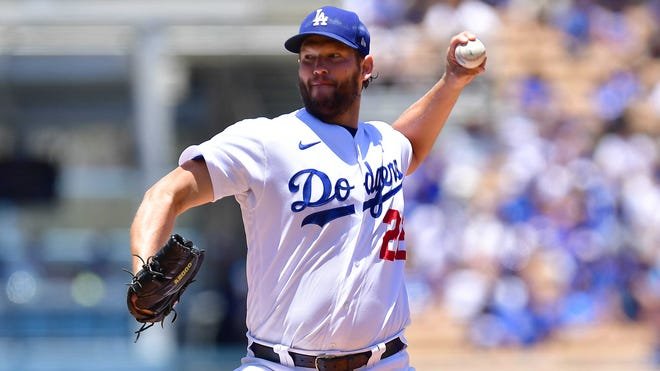
MLB pitchers don’t pitch the entire game because the extreme physical demands of throwing at high intensity and velocity throughout a nine-inning game make it unsustainable for their arms and bodies.
Have you ever wondered how dont mlb pitchers pitch the entire game? It seems like a simple enough task, just keep throwing, right? Well, the reality is far more complex, involving intricate strategy, and very specific human limitations. Pitching a baseball is actually an extremely strenuous, high-impact activity.
The intense strain on the arm and shoulder requires frequent breaks and limits the number of pitches a person can throw at top performance level. Therefore, managers use a rotation of pitchers, each with their defined role, for the entire game.

Why Don’t MLB Pitchers Pitch the Entire Game?
Ever watched a Major League Baseball game and wondered why the starting pitcher doesn’t just stay on the mound the whole time? It seems like a simple enough task – throw the ball, right? But baseball, especially at the highest level, is way more complex than that. There are many reasons why you almost never see a pitcher complete an entire game, and it’s not just because they get tired. Let’s dive into the exciting and fascinating world of baseball strategy and see why pitching an entire MLB game is a rare event.
The Strain on a Pitcher’s Arm
The first and most obvious reason why pitchers don’t complete games very often is the sheer physical toll it takes on their arm. Pitching in baseball is an incredibly unnatural motion. Imagine throwing a baseball as hard as you can, over and over again, for hours. That’s essentially what MLB pitchers do. This repetitive, forceful motion puts a lot of stress on the muscles, tendons, and ligaments in their shoulder and elbow. Think of it like repeatedly bending a paperclip; eventually, it’s going to break.
The Mechanics of Throwing
The way pitchers throw the ball involves a full-body movement. They use their legs, core, and back to generate power, but the arm is the last part of the chain and takes the brunt of the stress. The arm goes through a violent acceleration and deceleration as the pitcher whips the ball towards home plate. This happens in a tiny fraction of a second, and the forces involved are enormous. Doing this repeatedly is not good for the long term health of the pitchers.
The Risk of Injury
Throwing at high speeds, combined with the repetitive motion, makes MLB pitchers prone to a variety of injuries. These can include:
- Torn rotator cuff: This injury involves the group of muscles and tendons around the shoulder.
- Ulnar collateral ligament (UCL) tear: This is the infamous “Tommy John” injury, requiring surgery to repair the elbow ligament.
- Tendonitis: Inflammation of the tendons in the elbow or shoulder.
- Muscle strains: Overuse and fatigue can cause muscle strains in the arm and shoulder.
Because of these very real risks, MLB teams are extremely cautious about overworking their pitchers. They would rather use several different pitchers in a game than risk a major injury to their star pitcher, which could sideline them for months or even years. Protecting pitchers’ health and longevity is a main concern for every MLB organization.
Pitch Counts and the Modern Approach
In the olden days of baseball, pitchers were expected to go the distance. Many starters would routinely throw over 120 pitches in a single game. However, as scientific understanding of the human body and its limitations progressed, teams started using pitch counts. A pitch count is simply the number of pitches a pitcher has thrown in a game.
Why Pitch Counts Matter
Research shows that the risk of injury increases drastically when a pitcher throws too many pitches, especially when they haven’t had proper rest. Modern baseball teams have found that allowing a pitcher to throw over 100 pitches on regular basis can lead to fatigue, which will greatly increase the chance of an injury. That’s why a lot of starters don’t go past 80-100 pitches.
The Role of the Bullpen
The bullpen is the collection of relief pitchers, which are specialized arms that come in after the starting pitcher is done. A bullpen is an essential part of modern baseball strategy. Relief pitchers typically come into the game for shorter periods, and therefore they can pitch at higher intensity. There are different types of relievers for different situations:
- Setup pitchers: These pitchers come in usually in the 7th or 8th inning to hold the lead or tie the game.
- Closers: These are the guys who come in during the 9th inning to save the game when their team has a lead.
- Long relievers: These pitchers can throw multiple innings to fill gaps during the game.
- Specialists: Some pitchers are specifically used to get out a certain type of hitter, such as a left-handed pitcher against a left-handed batter.
Having a well-structured bullpen allows teams to use the right pitcher for the right situation, maximizing their chance of winning without overusing their starters.
The Importance of Strategy
Beyond physical limitations and injury prevention, using multiple pitchers is also a strategic decision. Baseball is not just about who can throw the ball the hardest; it’s also a very complicated chess match between managers. They consider various strategic factors when deciding to pull a pitcher from the game and bring in someone from the bullpen.
Facing Batters Multiple Times
As pitchers work their way through the opposing team’s batting order, hitters get a better idea of how they pitch. The first time a batter faces a pitcher, they are trying to gauge the pitcher’s stuff: the speed and movement of their pitches. By the second or third time a batter faces the same pitcher, they have gathered a lot more information and can be much more successful in getting a hit. This is why managers often bring in a new pitcher to present a new challenge for the batters.
Matchups
Managers try to make sure that a pitcher has a favorable matchup against a batter, based on their skills and tendencies. For example, a pitcher with a high fastball is more likely to get out a hitter who has trouble with that type of pitch. Conversely, a pitcher with a good changeup can get out a batter who likes to hit fastballs. This is why you will often see managers bringing in a right-handed pitcher to face a right-handed batter and a left-handed pitcher against a left-handed batter. They want to use their resources to give the team an advantage.
The Advantage of Fresh Arms
A relief pitcher is generally throwing only for a limited time, so they can bring more intensity and effort into each pitch. When a starting pitcher is working into the later innings of the game, it’s likely their speed and movement are going to diminish a little, but the relievers come in with fresh arms and try to throw the ball as hard as they can in each pitch. Having those fresh arms ready to go is a big advantage for teams.
The Evolution of the Game
The way baseball is played now is vastly different from how it was played even 50 years ago. Strategies and methods have evolved based on data and science.
Sabermetrics
Sabermetrics is the analytical study of baseball that uses data and statistics to measure player performance. It has had a major impact on how teams evaluate players and make decisions, particularly concerning pitching. Statistics like ERA (earned run average), WHIP (walks plus hits per inning pitched), and FIP (fielding independent pitching) are used to get a deeper understanding of a pitcher’s performance beyond just wins and losses. The knowledge gained from data has influenced how managers make decisions and when they use their bullpens.
The Decline of the Complete Game
Because of all the factors that have already been discussed (physical toll, pitch counts, strategic advantages) complete games have become extremely rare. In the past few years, complete games have become almost extinct. If you see a pitcher complete a game, it is a remarkable and often historical feat. So when you see someone complete a game, you know that you’re witnessing something special.
Exceptions to the Rule
While complete games are unusual, there are some circumstances where a starting pitcher might have the chance to finish the game. These scenarios can include:
- Dominant Performance: If a starting pitcher is having a truly outstanding performance, allowing very few hits and runs, and if the pitch count is still within reason, a manager may be tempted to allow the pitcher to keep going.
- Low Pitch Count: If a pitcher has had a particularly efficient game, they could be able to pitch through the 8th and 9th innings with a low pitch count.
- Low Scoring Games: In tight, low-scoring games where it’s important to keep any runs out, the manager might choose to stick with the pitcher who has been working well to avoid making any unnecessary changes.
- Bullpen Fatigue: There are times when a bullpen is overworked due to a lot of games. In these instances, a manager may allow a starter to keep going, so that they don’t need to tax their bullpen.
However, even in these situations, the main priority is always the health of the pitchers. If the manager thinks there is a risk, they’ll likely make a pitching change.
A Summary of Factors
To summarize, the fact that MLB pitchers don’t pitch the entire game is based on a combination of physical limitations, strategic considerations, and the changing nature of the game. Let’s go over the main points that have been discussed:
- Physical Strain: The repetitive motion of pitching puts too much pressure on a pitcher’s arm, leading to injuries.
- Pitch Counts: Modern baseball has embraced pitch counts to help protect the long-term health of the pitchers.
- Bullpen Strategy: Having a bullpen allows managers to use pitchers with specific skill sets for various situations.
- Matchups: The ability to bring in different types of pitchers against different types of hitters helps managers maximize their advantages.
- Fresh Arms: Relievers come into games with fresh arms and therefore can pitch at higher intensities.
- Sabermetrics: The evolution of data analysis has changed the way managers and teams approach the game, including decisions regarding pitching changes.
Understanding these factors gives us a better appreciation for the complexity of baseball and the careful balance that managers must find between winning games and protecting their players.
MLB teams carefully manage their pitchers to make sure they remain in peak condition and avoid any injuries. That’s why it’s so uncommon to see a pitcher complete an entire game.
Why Nobody Throws The Best Pitch in Baseball
Final Thoughts
MLB pitchers do not complete games anymore due to strategic decisions. Managers prioritize fresh arms from the bullpen, managing workloads to prevent injuries. Stamina and effectiveness often decrease as a pitcher faces the batting order multiple times.
Modern baseball emphasizes maximizing matchups. Bullpen specialists excel in specific situations, providing advantages late in the game. Consequently, starting pitchers rarely pitch the entire game. This leads us to understand how dont mlb pitchers pitch the entire game .

